

Best Personalised Gifts for Kids Don’t Just Say a Name: They Tell a Story
A personalised book that puts a child’s name and face at the centre of the story lands differently than any monogrammed toy.
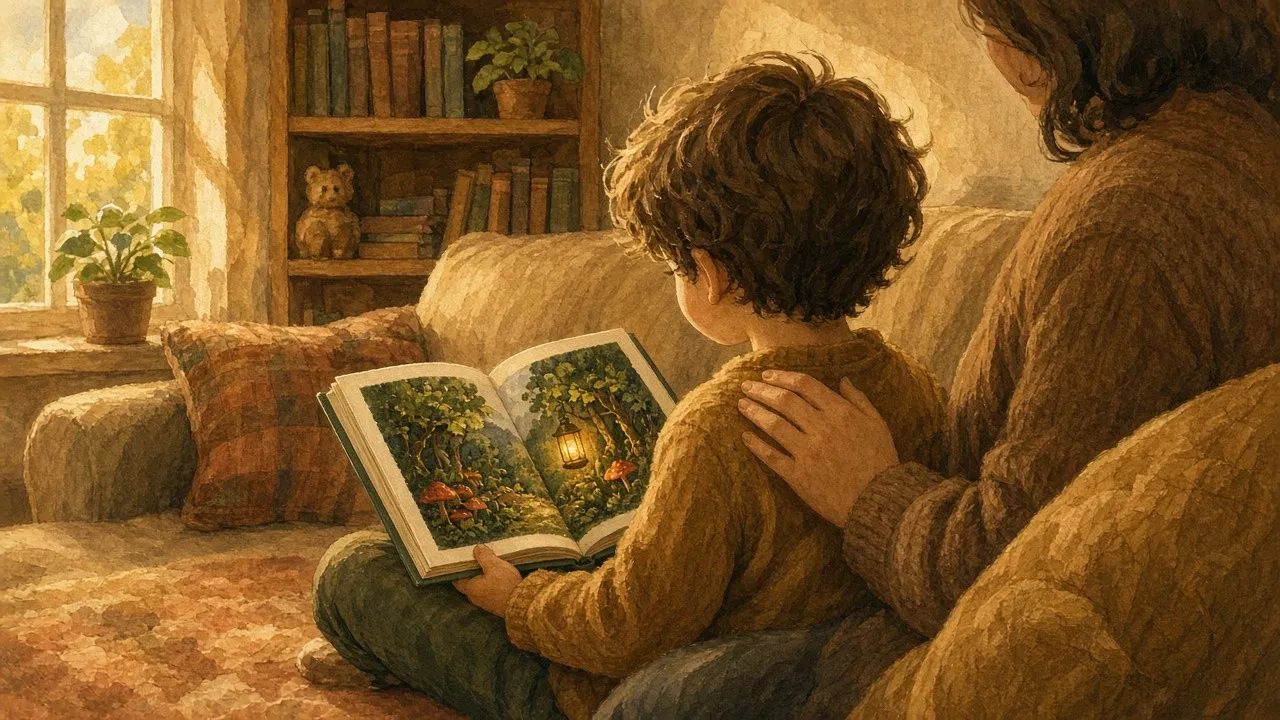
You’ve typed ‘best personalised gifts for kids’ into a search bar, hoping to find something that actually means something. Instead you get pages of monogrammed water bottles, plastic toys with a name sticker, and gimmicks that will be in the bin by next Tuesday.
A gift that says their name, not just your budget
The best personalised gifts for kids don’t announce what you spent. They tell a child, ‘I see you.’ For a two to ten year old, that matters more than any gadget. A light-up toy sparks for an afternoon; a story with their name woven into the adventure becomes part of how they see themselves.
A CubFable book makes that simple. You pick a story idea—dragons, oceans, first swims, lost mittens. You enter their name and details, upload a photo so the illustrations look like them, and you see the text for approval before any art is drawn.
At two, spotting herself in ‘Milo Finds His Mittens’ gives a toddler the thrill of recognition. At eight, cracking a code as the lead detective in ‘The Clockmaker’s Secret Map’ builds a different kind of confidence. Many parents find that a child who ignores a generic toy will return to a book starring themselves.
You can read it on screen straight away, then a printed copy arrives. If you’re ready to move past the name-on-a-pencil case, browse the story ideas.
The age gap nobody warns you about (2 to 4 vs 8 to 10)
Between the two-year-old who points at the moon and whispers its name, and the nine-year-old who wants to rewrite the moon’s orbit, lies a chasm most gift guides skip. A toddler needs a gift that mirrors their small, familiar world. A nearly-tween needs one that hands them the reins.
At two, three and four, everything is new. A personalised book works best when it reflects exactly what they already know: losing a mitten, sharing a toy, splashing in a paddling pool. The thrill comes from recognition. They spot their own face on the page and hear their name anchored to a teddy, a digger, a bedtime routine. The story should be short and reassuring. A three-year-old will sit still for about eight pages of large illustrations and just a few words per spread. Repetition is a feature, not a flaw. Many parents find that a simple storyline—finding the missing plush mouse or saying goodnight to every lamp in the house—gets requested five nights in a row because the predictability itself is the joy.
By eight, nine or ten, the needs flip. A child this age wants agency, not reassurance. They live in a world of friendships with shifting rules, classroom mysteries and the first taste of independence. A story that casts them as the lead detective in a city of codes or the keeper of a secret map gives them something they crave: a problem they can solve themselves. The adventure can stretch longer, weave in ethical twists, and ask them to make a tough call. At nine, a twenty-page illustrated quest with clues and choices feels like owning the narrative, not just visiting it.
The gap is real, but the thread is the same: a child who sees themselves at the centre of the story is a child who keeps coming back. From naming the familiar to steering the adventure, it’s still them on the page.
When the wrapping paper comes off and the story begins
The paper crinkles, falls away, and a child sees a book. Not a tablet, not a plastic dinosaur, not another pair of pyjamas. A book. The cover is fine, but the moment that matters comes about three pages in.
That’s when they spot their own face.
Parents describe it as a stillness that wasn’t there a second ago. A two-year-old presses her finger to the page, looks up at Mum, then back at the illustration. An eight-year-old goes quiet in a way that’s new, reading his name in the text and then glancing sideways as if checking whether anyone noticed this is actually him. It’s not a performance. It’s recognition landing.
What’s happening is simple enough to miss. For a young child, “me” is still a concept under construction. Seeing your own illustrated face inside a real printed book collapses the distance between story-world and self. You’re not watching a character. You’re in it. At four, that might mean finding yourself tucked into bed in ‘Goodnight, Little Moon’. At nine, it might mean standing on a glacier with a decision to make in ‘Expedition to the Living Glacier’. The age changes the scale, but the jolt is the same.
CubFable arrives at this moment through two quiet steps a child never sees. The photo you upload becomes illustration DNA, so the character’s hair, smile and skin tone are recognisably theirs. Then you approve the story text before any artwork is drawn. That check is the difference between a gift that fits and one that almost fits. When the book arrives, the child’s face and name are already woven into a story you knew matched them. The moment on the sofa isn’t manufactured. It just happens.
And it sticks. Parents say the book that made a child recognise themselves gets carried around the house, brought to the car, slipped under a pillow. Not because it’s new, but because it’s theirs in a way most things aren’t.
Six kinds of kid, six kinds of book (choose yours)
A gift that says their name is good. A gift that says their world is better. The difference lies in picking a story path that matches the child, not just the occasion. Here are six real temperaments and the CubFable story ideas built for each one.
The vehicle-obsessed. This child knows a digger from a backhoe and makes engine sounds before saying hello. Give them a world that rumbles. The Very Busy Digger (ages 2 to 4) puts them in the cab of a construction machine with an important job to finish. For the five-to-seven space fanatic, Rocket Rescue on Planet Blue launches them into orbit with a thruster pack and a countdown. Browse the Things That Go story ideas.
The bedtime-resister. This child has three more questions, a sudden thirst and a stuffed penguin that needs repositioning. Fight delay with invitation. Goodnight, Little Moon (ages 2 to 4) lets them say goodnight to every sleepy thing in the sky. For a slightly older resister, The Torch Under the Pillow (ages 2 to 6) turns the forbidden flashlight into a cosy secret they control until the final page dims.
The nature-lover. This child brings you snails, names the robin and notices when a single tulip opens. The Garden's Tiny Parade (ages 2 to 4) shrinks them small enough to march with beetles and worms. For an older explorer, The Lantern in Whispering Wood (ages 5 to 7) sends them through a forest where the trees keep a secret worth finding.
The adventure-seeker. This child runs toward the wave, not away from it. They need stakes, not safety. Captain Coral and the Missing Pearl (ages 5 to 7) plunges them into an underwater pursuit with a map and a mystery. At eight to ten, The Clockmaker's Secret Map hands them a puzzle-box city where every solved clue opens the next locked door.
The feeling-navigator. This child feels big and doesn't always have the words. Teddy's Turn to Share (ages 2 to 4) works the knot of sharing loose through a familiar playroom drama. For the five-to-seven age, The Other End of the String gives them an invisible thread to a friend, tracing the push and pull of connection across a neighbourhood day.
The milestone-marker. This child is standing on the edge of something new: a bike, a classroom, a sibling. The Day the Stabilisers Came Off (ages 5 to 8) charts the wobble, the grazed knee and the sudden glide. For a quiet indoor milestone, The Potty With a Bell Inside (ages 2 to 4) turns a daunting step into a small, triumphant melody they ring themselves.
Each path works because the child isn't dropped into a generic adventure. They slide into a story already shaped like their own concerns. The vehicle-lover drives the digger. The bedtime-resister becomes the one granting sleep permission. That match is what turns a lovely gift into the book they carry under their arm for weeks.
A thing they hold versus a thing that holds them
A personalised water bottle ends up in the back of a cupboard. A name-embroidered hoodie gets outgrown by spring. These gifts are lovely in the moment—the child sees their name, grins, and moves on.
A personalised storybook does something different. It doesn’t just sit in their hands. It holds them still on your lap at the end of a long Tuesday. It pulls them back tomorrow with a tug on your sleeve and the words “again, again.” The book becomes a shared ritual, not another possession to tidy away.
The difference lives in the read-aloud moment. Your voice does the heavy lifting while their eyes hunt for their own face on the page. They interrupt to point at the illustrated version of themselves mid-adventure. When you reach the final sentence, they are already turning to the front cover. That re-read request isn’t about the story being new. It’s about wanting to sit inside it with you one more time.
Many parents find that these books become landmarks in the landscape of childhood. Not because of the binding or the paper, but because the grown-up remembers exactly how the child’s chin tilted up during a particular line. The book anchors a phase: the summer of The Garden’s Tiny Parade, the winter their name appeared in The Lantern in Whispering Wood. Years later, that spine on the shelf will pull you both back to the sound of a small voice asking for one more chapter—and you, just this once, saying yes.
Frequently asked questions
What ages are personalised books best for?
Personalised books work best between ages 2 and 10. Toddlers love spotting their face in a short, familiar tale like losing a mitten. For older children, a twenty-page mystery where they are the detective gives them independence while keeping reading a shared pleasure. You approve the story text before the book is made, so it fits their world perfectly.
Make one for your own little hero
Pick a story idea, add your child, and we print and post the finished book.
Browse story ideasKeep reading
Personalised Books for 5 Year Old Boys: A Guide to Stories That Get Read Twice
To find personalised books for 5 year old boys that become bedtime favourites, look for stories that give him a real mission, with his own name and face inside.
A Personalised Story That Makes Potty Training an Adventure
A personalised potty training book turns your child into the hero of a gentle adventure, making the milestone feel like play instead of pressure.
Personalised Books for 2 Year Olds: How to Pick a Story They'll Actually Love
When a book feels like theirs and fits their world, it does not sit on a shelf but gets carried to the breakfast table and read until the spine softens.