

Personalised Books for 5 to 7 Year Olds: Stories That Feel Truly Theirs
A five-year-old spots their own face in a dragon-training cape and the book becomes the bedtime favourite.
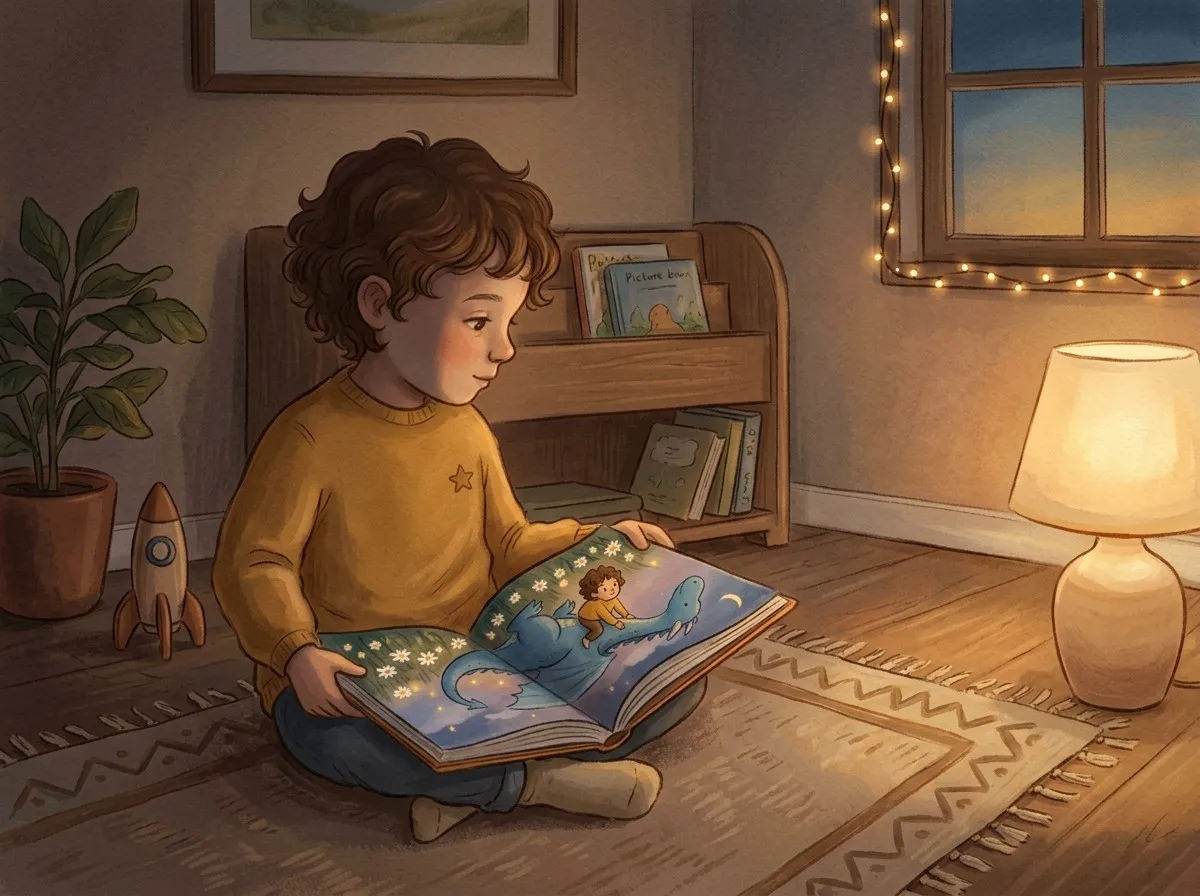
A child of five or six wants a story with real stakes and a main character who is unmistakably them, and personalised books for 5 to 7 year olds deliver that, without ever feeling babyish. They are beginning to sound out words on their own, yet a good book still holds them tightest when they can see themselves at the centre of a proper adventure.
What a five- to seven-year-old actually wants from a storybook
At this stage, many five- and six-year-olds are starting to decode simple sentences, but they still love the cosy ritual of being read to. The stories that stick are those that feel grown-up enough for their expanding imagination, yet personal enough to be theirs.
A toddler book about sharing won’t hold them. They need a dragon who needs a kind flame, a cloud factory to fix, or a puppy whose name only they can choose. The stakes have to matter.
That’s where a personalised book fits. With CubFable, you choose an adventure like Dragon School’s Kindest Flame or The Cloud Factory Mix-Up, enter your child’s name and details, and the main character looks like them, from their hair colour to their favourite jumper. The adventure becomes theirs.
Many parents find that once a child sees themselves inside a real plot, the book becomes the bedtime favourite and soon the one they try to read to themselves, simply because every page carries their name and their face.
When the plot is built for a five- to seven-year-old’s appetite, and the hero shares their grin, the book earns a permanent spot on the bedside table.
When the illustrations pull them in before the first sentence
A five-year-old still judges a book by its cover, and the first few pages of artwork decide whether the story gets a full reading. At this age, children don't stop noticing pictures the moment they start decoding words. They hop between image and text, building meaning from both. A double-page spread of a cloud factory with dials and pipes, or a lantern-lit forest path, can be the thing that pulls them into the adventure before you have read a single sentence aloud.
When the character in those pictures shares their hair, their skin tone, their glasses or their favourite colour, something shifts. The book stops being just a nice story and becomes a story that was made for them. A child who spots themselves in a dragon-training cape or a spacesuit on the page doesn't simply recognise their face. They feel seen. That sense of being centred in the tale makes the whole reading experience warmer and more personal.
Some personalised services stop at a name. CubFable lets you go further by uploading a photo, so the artist can mirror your child's real features in every illustration. The result is not a generic cartoon child with brown hair but a character who actually looks like the one sitting on the sofa beside you, down to the curl behind the ear. Many parents find that this visual mirroring is what turns a book from a passing novelty into the one that gets pulled from the shelf again and again.
If you're choosing a story for this age group, browse the adventure and fantasy story ideas where sweeping settings give the illustrations room to work their magic.
Dragons, rocket ships and the missing cake: themes that work like magic
Five- to seven-year-olds live in a sweet spot between make-believe and real-world capability. They still believe a cardboard box can fly, but they also know they can ride a bike without stabilisers if they try hard enough. The stories that land hardest with this age group honour both sides of that coin.
A kitchen adventure where the recipe has a gap only your child can fill. That is The Cake Only You Can Bake, a story that turns an ordinary afternoon into a gentle puzzle with a delicious outcome.
A dragon school where kindness, not firepower, saves the day: Dragon School’s Kindest Flame gives a child the chance to be the bravest character in the room, not by roaring the loudest but by being the one who cares the most.
Then there are the neighbourhood mysteries. A missing cake, a swapped wish, a street that needs building together. Stories like The Day the Wishes Got Swapped or The Great Neighbourhood Build make the familiar world of pavements, fences and corner shops feel full of secret possibility.
Space calls too, with Rocket Rescue on Planet Blue offering a properly high-stakes rescue mission. And for the child who has just wobbled down the path without help for the first time, The Day the Stabilisers Came Off bottles that exact moment of pride, fear and triumph.
Each of these themes gives a five- to seven-year-old the thing they silently crave: a plot that takes them seriously. A parent choosing a story from the full collection of CubFable ideas can match the adventure to the child’s particular world, whether that world is currently all about space, cake, or the bike leaning against the shed.
Beyond a name on the cover: what makes a book feel truly theirs
Placing a child’s name on the front cover is only the beginning. For a five- to seven-year-old, the books they reach for again are the ones where the story itself bends to fit their little world. That happens when the personalisation goes deeper than a greeting.
A parent can enter details that feel small to an adult but enormous to a child. The name of the neighbour’s cat, the colour of the bike leaning against the shed, the fact that they always pack a jam sandwich for a picnic. Those specifics get woven into the plot so the rescue mission isn’t happening in a generic town but on a street that sounds like theirs, with a sidekick pet they actually know.
This is where seeing the story before a single illustration is drawn changes everything. When you read the full text and give the nod, you are not just proofreading. You are checking that the jokes land, that the tone matches the child who still holds your hand crossing the road, that the adventure feels like something they would actually tumble into. That moment of approval is when a book stops being a template and starts feeling like a gift you helped shape. Many parents find that this extra step is what gives them real confidence the finished book will match the child they know, not a generic stand-in with the right hair colour.
How CubFable turns a photo and a name into a proper book
You begin by browsing the story ideas – from underwater escapes like Captain Coral and the Missing Pearl to gentle kitchen puzzles like The Cake Only You Can Bake – and settling on the one that matches the child’s current world. The moment you’ve chosen, you type in the child’s first name and a handful of small, specific details: the neighbour’s cat’s name, the colour of the bike leaning against the shed, the fact that a jam sandwich always makes its way into the lunch box. These are the threads that get stitched into the plot.
Then comes the photo. You upload a clear snapshot of the child’s face, and the illustration team uses it to draw a character who genuinely looks like them – not a generic stand-in with roughly the right hair colour, but a proper miniature portrait woven into every page. The hairline, the way the eyes crinkle when they smile, the favourite jumper they insist on wearing three days running. That reference sits beside the artist’s screen from first pencil line to final colour.
Before a single drawing begins, you see the full story text for approval. You read through the adventure right there on screen, checking that the jokes land, that the tone suits a child who still holds your hand crossing the road, that the moments of bravery feel like something they would actually tumble into. Many parents find this step is what turns a nice idea into a gift they feel real confidence about. Once you give the nod, the illustrations are drawn, the pages are printed and bound, and a proper hardback book arrives in the post. And because the story is generated digitally, the child can also read it on screen the very same day you finish – no waiting for the postman to see their own face looking back from a rocket ship or a kitchen bench.
Frequently asked questions
What makes a personalised book different from a regular storybook?
For a 5-7 year old, a personalised book puts the child's name, appearance, and world details into the plot, making the story feel like it was written just for them. Seeing themselves as the hero, down to their own hair, glasses or favourite jumper, builds a strong emotional connection that turns the book into a bedtime favourite.
Can a personalised book help a reluctant reader?
Yes. When a child sees their own face and name inside a real adventure, the book becomes instantly more appealing. Many parents find that reluctant readers will pick up the book themselves to point out familiar details, and gradually begin decoding words because the story is personally meaningful.
Make one for your own little hero
Pick a story idea, add your child, and we print and post the finished book.
Browse story ideasKeep reading
Personalised books for 5 year old girls she will ask for again and again
A name on the cover is only the beginning: how to find a personalised book a five-year-old girl will recognise as her own and ask to read every night.
Personalised Books for 5 Year Old Girls with Photo: The Story She Sees Herself In
A five-year-old knows when a picture book is about her, and when her real face appears in hand-drawn illustrations, the story becomes her own.
Personalised books for 4 year old girls: the little big kid magic
Discover why personalised books for 4 year old girls are the perfect gift—from her own face in the story to the threadbare hardback she'll keep forever.