

Personalised books for 5 year old boys with photo: why a face changes everything
A name on a cover is a good start, but a face drawn into every page turns a storybook into something a five year old will carry around, defend from siblings and ask for three nights running.
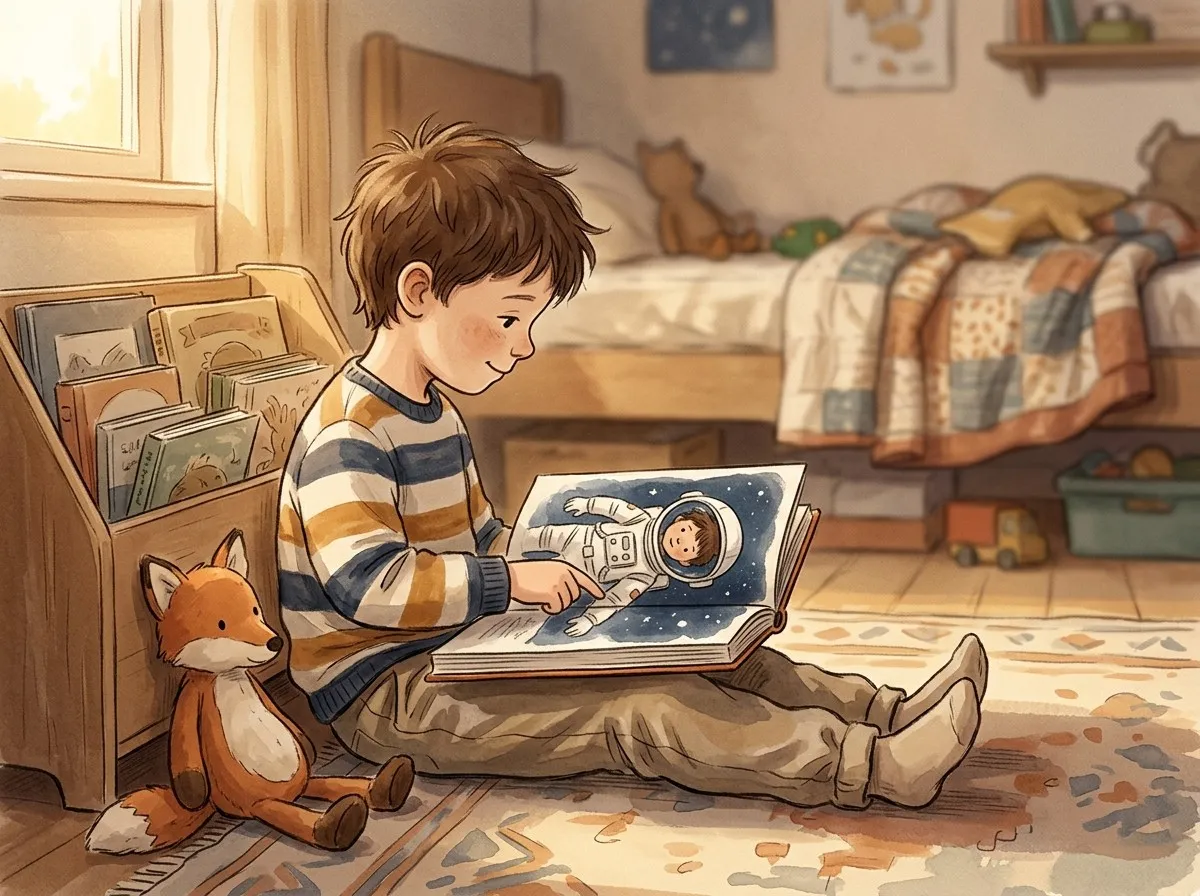
You have been scrolling through personalised books for 5 year old boys with photo, searching for a gift that will not be tossed aside by Tuesday. A name on a cover is a good start. A face is different.
Why a photo changes everything for a five year old boy
A five year old is right in the middle of a strange and lovely stage. He is working out who he is, what belongs to him, and where his own edges stop and the rest of the world begins. A storybook that uses his name is nice. A storybook that also carries his face across every page is harder to dismiss.
Many parents find the shift happens the first time he opens the book. He stops listening politely and starts leaning in. He points at the page. He says "That's me" not as a question but as a fact. The story stops being a general story about a little boy and becomes a record of him, specifically, doing brave or kind or silly things in a world made for his shape.
At this age, ownership is a serious business. His cup is his cup. His bed is his bed. A book that is unmistakably his, down to the illustration of his own face, tends to be re-read, carried around and defended from siblings in a way a shop-bought paperback rarely is.
That is the difference. Personalisation without a photo can feel generic. With a photo, the book stops being a present and starts being his.
The difference between a name in the text and a face in the picture
A name dropped into a sentence is easy to miss, especially for a five-year-old who is still learning that the letters on the page stand for him. He might smile the first time he hears it. By the third reading, it often washes past him, no more remarkable than seeing his coat peg in the hallway.
A face is different. When a child opens a book and sees his own eyes looking back from the page, his own unruly hair and his own grin, he stops turning pages so quickly. He studies the illustration. He traces his finger over the drawn version of his own chin. The story is suddenly not something that is happening to a character – it is happening to him.
That shift, from passive listener to active participant, is where many parents find the real staying power of a photo-personalised book. A name-only book is a novelty. A book where the artwork is guided by a real photograph is a mirror, and a five-year-old will return to a mirror again and again because he is still busy working out who he is.
With CubFable, the process makes that mirror clear. You upload a photo, choose a story idea from things like The Lantern in Whispering Wood or Rocket Rescue on Planet Blue, and then review the text before any illustration begins. The artist draws your boy’s features into every scene. The result is not a generic stand-in – it is him, ready to steer a spacecraft or carry a lantern through a forest. That kind of ownership turns a storybook into a fixture by the pillow, and a bedtime ritual that ends with “one more time?” rather than “the end.”
What makes a story worth reading twice when you're five
A five year old boy is not a miniature eight year old. His taste in stories is still built around what he can do and what he wishes he could do. The plot that keeps him turning pages is usually deceptively simple: a clear task, a small obstacle, a satisfying resolution. He wants to see someone like him build something, fix something, find something, or be brave about something that felt too big a moment ago. If the story bunny-hops through ten different settings in twelve pages, it loses him. If it stays with one problem and sees it through, he leans closer.
Dragons, diggers and space rockets all have their place. Dragon School's Kindest Flame works because it gives a fire-breathing creature a problem a five year old recognises: wanting to be gentle when everyone expects noise. The Very Busy Digger works because the task is concrete and the machine is enormous. But not every five year old wants explosions and engine noises. Some are quietly drawn to The Lantern in Whispering Wood or The Fort of Two Flags, where the adventure is small enough to hold in two hands.
Matching the story to the child's temperament is the trick. A boisterous, physical child might settle best with a story that mirrors his energy – Rocket Rescue on Planet Blue or The Great Neighbourhood Build. A more watchful, inward-facing five year old often responds to The Basket of Borrowed Sunshine or The Quilt That Waited, stories where the drama is emotional rather than loud. Neither type is better. The reread value comes from the story feeling like a natural fit for the boy holding the book.
Pacing matters as much as theme. At five, a double-page spread with a single moment drawn large can hold attention longer than a page crammed with three events. A good story for this age gives him time to look, to point, to say something about what he sees. When the book also carries his own face in the illustrations, that pause stretches even further. He is not rushing to find out what happens next. He is already inside what is happening now.
How the photo gets from your phone to the printed page
You begin by choosing a story. The catalogue lets you browse by age and occasion, so you might land on The Lantern in Whispering Wood for a quiet explorer or Rocket Rescue on Planet Blue for a space-obsessed five year old. That choice sets the whole adventure in motion.
Next, you enter the child’s name, pick a character look, and type in a short personal message for the dedication page. This is also the moment you upload a clear, front-facing photo of your boy. A bright head-and-shoulders shot, taken near a window or outdoors, gives the best result. The artist needs to see the shape of his features, his hair, his smile. You do not need to crop or edit anything. The upload step is quick, and you can try a different photo if the first one does not feel right.
Once the photo is in, the system generates the story text with your child’s details woven through every page. You see the full manuscript on screen before any illustration is drawn. You read it, check the name, the pronouns, the little references. If everything feels right, you approve it. That approval triggers the illustration stage, where an actual person draws your boy’s features into each scene by hand, guided by the photograph you provided earlier.
While the artwork is being created, you can already read the book on screen if you like. The finished pages are then printed, bound into a hardcover, and posted to your door. The whole path runs from a photo on your phone to a book on his shelf, and you steer the important moments: the story choice, the details, the approval. CubFable wraps the rest into a parcel that lands ready to be opened.
When a book is more than a book
A grandparent choosing a birthday gift often starts with the question "What does he already have?" The answer, by age five, is usually "a lot." A personalised book with his photo inside sidesteps the pile of plastic that loses its shine by teatime. It arrives as something else entirely: a story in which he is not just named but drawn, page after page, into an adventure built around him. Many grandparents tell us they watch the child open the parcel, spot his own face, and go quiet. That quiet is the sound of a present landing differently.
The reasons for giving one vary. A birthday is the obvious occasion, but a book like The Lantern in Whispering Wood or Rocket Rescue on Planet Blue also turns up at Christmas, before a hospital stay, or on an ordinary Tuesday when a grandparent simply misses the child and wants to send something that says I see you. There does not need to be a date on the calendar. Sometimes "just because" is the strongest reason of all.
What happens afterwards unfolds in stages. At five, the book becomes a bedtime staple, the one he asks for three nights running while he traces his own face with a finger. At seven, he reads it aloud to a younger sibling or a patient grandparent on a video call, proud that he can now decode the words himself. At nine or ten, it migrates from the bedtime pile to the keepsake shelf. He no longer reads it every week, but he would not dream of letting it go. A book that once helped him feel brave or seen becomes a record of who he was at five: the haircut, the gap-toothed smile, the boy who loved dragons or diggers or the quiet wood with a lantern in it.
Parents and grandparents are not just buying a story. They are giving a child something to grow into and, later, something to look back on. That is what turns a hardcover into a keeper.
Frequently asked questions
What kind of photo works best for a personalised children’s book?
A bright, front-facing head-and-shoulders shot gives the best result. Take it near a window or outdoors so the artist can see the shape of his features, his hair and his smile clearly. You do not need to crop or edit anything before uploading. If the first photo does not feel right, you can try another.
How long does it take to receive a CubFable personalised book?
Once you approve the story text, an illustrator draws your child’s features into every scene by hand. The artwork and printing take a little time, then the finished hardcover is posted to your door. You can read the book on screen while you wait for the parcel to arrive.
Is a photo-personalised book suitable for a quiet child, not just adventurous boys?
Yes. CubFable offers stories that suit different temperaments. A more watchful, inward-facing five year old often responds to gentler tales like The Lantern in Whispering Wood or The Basket of Borrowed Sunshine, where the drama is emotional rather than loud. You choose the story that fits your boy best.
Make one for your own little hero
Pick a story idea, add your child, and we print and post the finished book.
Browse story ideasKeep reading
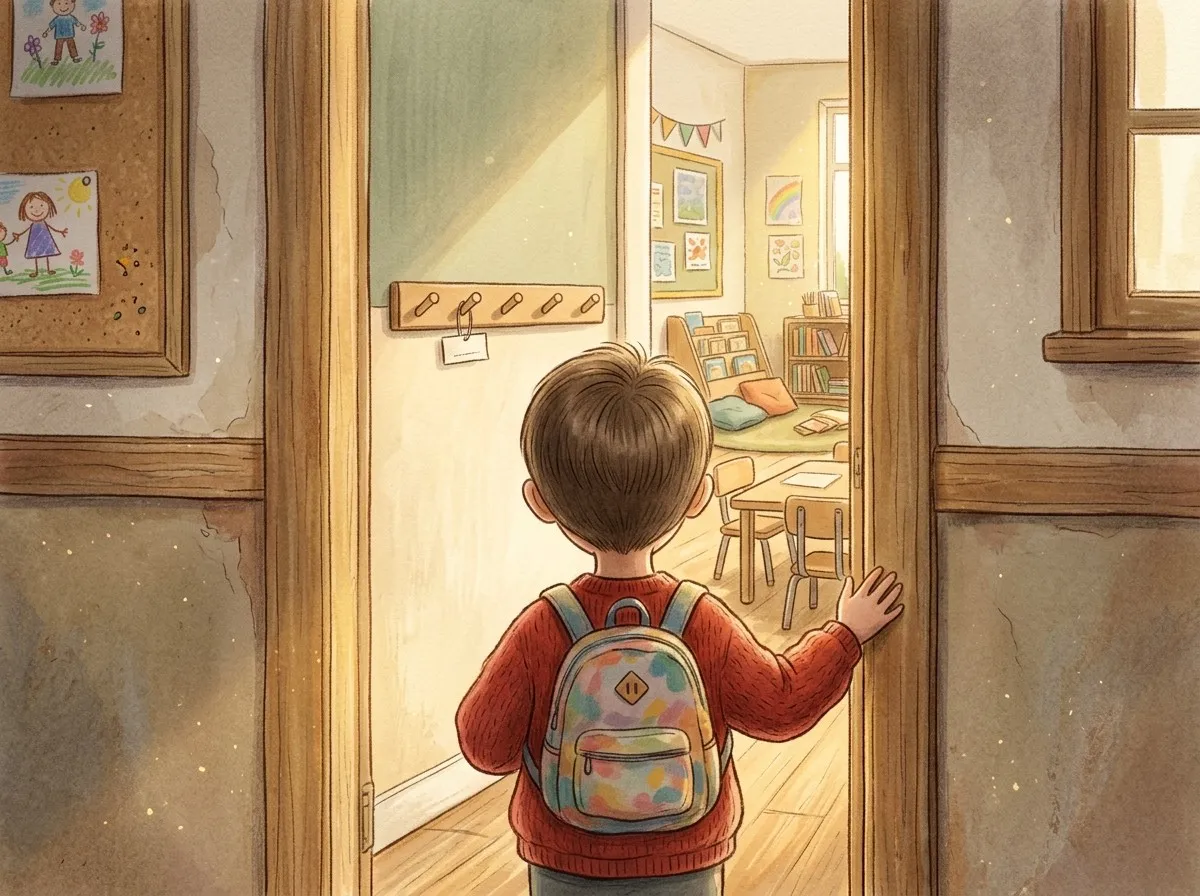
Personalised books for 4 to 6 year olds starting school
How a book with your child's own face on the page can turn the first day of school from something enormous and abstract into a story they have already lived.
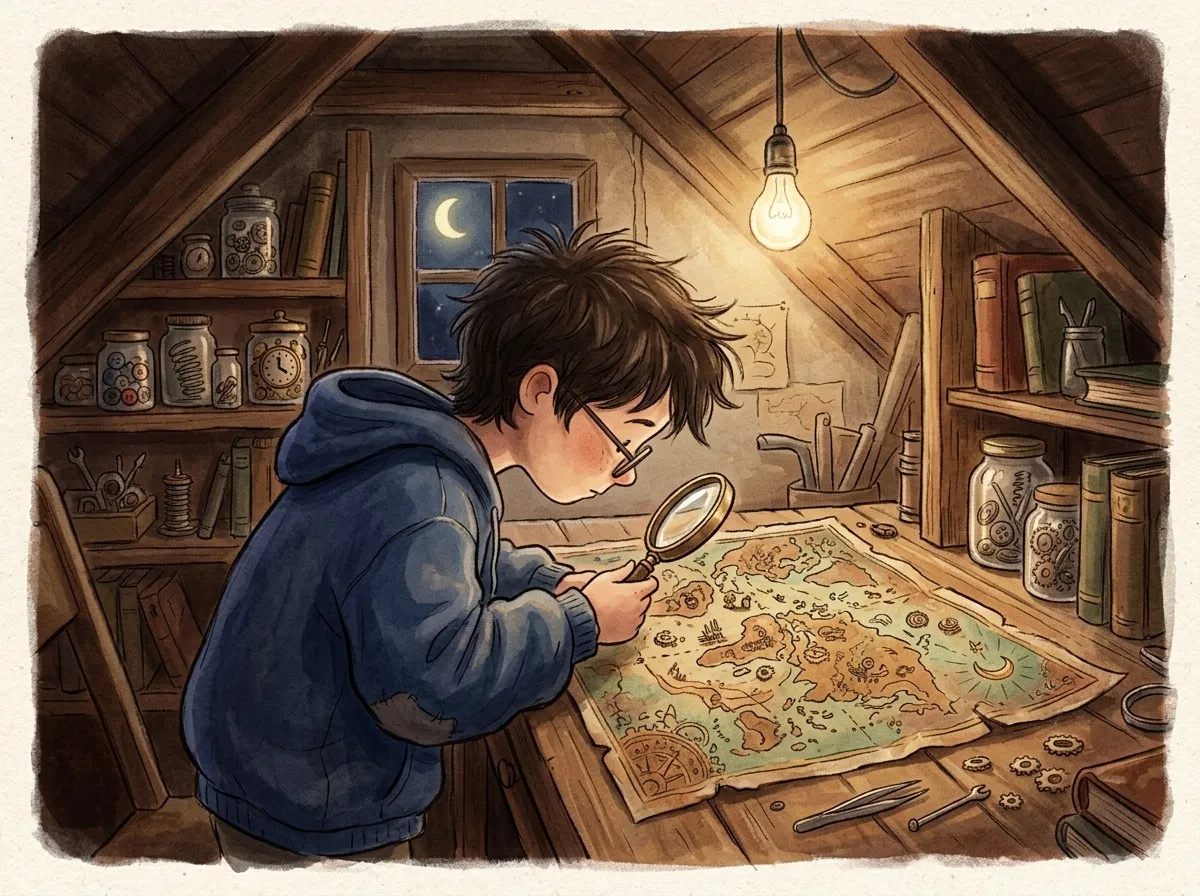
Personalised books for 8 to 10 year olds that actually get them
By eight, a child wants a story that trusts them with the hard calls, the ciphers and the map—not another pastel animal adventure.
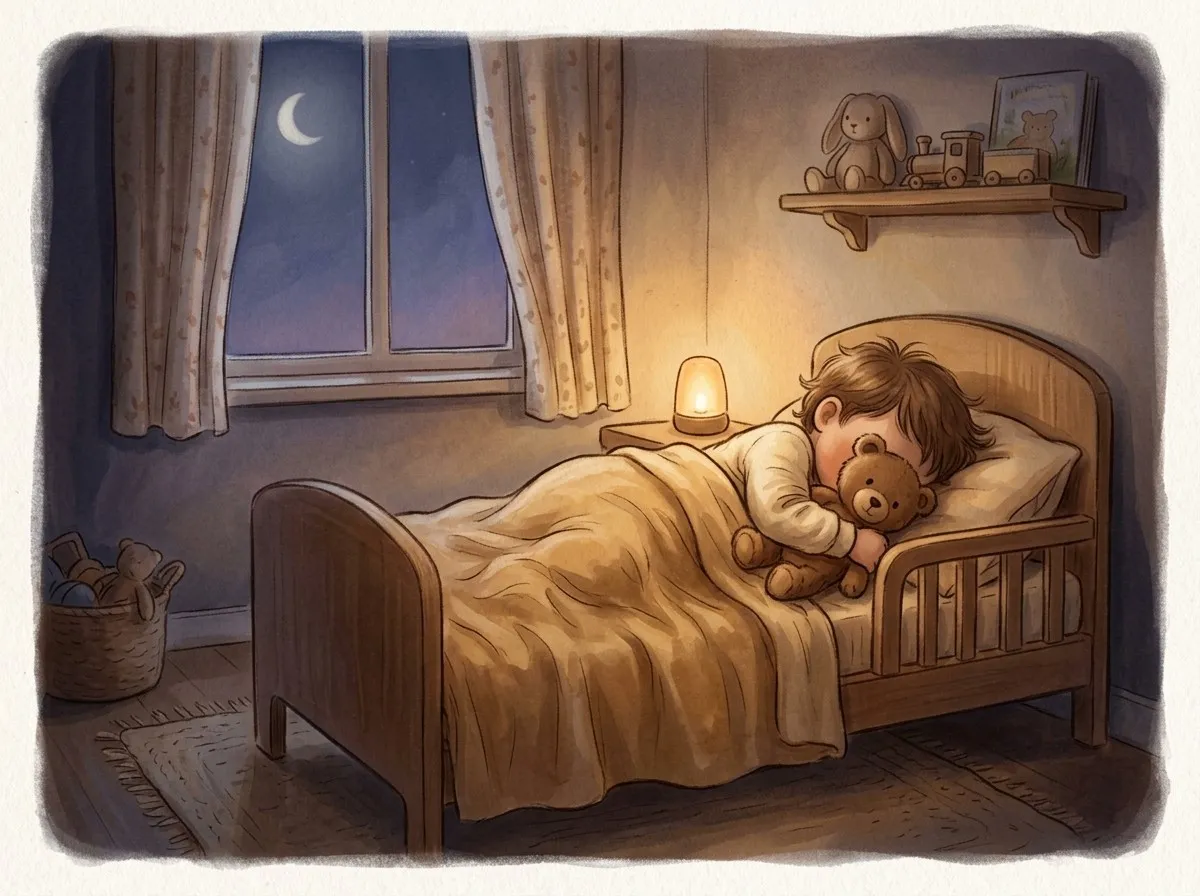
What to Look for in Personalised Bedtime Stories for 2 Year Olds
A story that names your toddler's teddy, mirrors their bedtime routine and ends with a soft goodnight is the one they ask for again.