

Books for children about sharing and kindness that your child will ask for twice
A kindness book only earns its place on the shelf if your child asks for it twice: here is what makes the difference at every age.
When your child comes home quiet because a friend wouldn’t share, or you notice them struggling to understand why another child is crying, you start searching for books for children about sharing and kindness. It is rarely about the book itself. It is about wanting your child to feel the warmth of a real friendship, to recognise someone else’s feelings without being told, and to find words for a conflict instead of tears or a shove.
Why sharing and kindness stories matter right now
A picture book cannot teach empathy the way a maths card teaches sums. What it can do is open a door. When a child meets a character who has to wait for a turn, or who gives something away and feels unexpectedly good about it, they try the idea on. They watch the consequences play out at a safe distance. Later, in the sandpit or on the sofa, you have a shared reference point. “Remember how Teddy felt in your story?” That half-sentence often gets further than a long talk.
Many parents find that stories about sharing and kindness work best when the child sees themselves inside the situation. A book that stars a generic bunny is fine. A book where the main character shares their child’s name, their hair, even their favourite red wellies, lands closer. Curiosity turns into a conversation: What would I do? How would that feel? That is the moment the book stops being a lesson and becomes practice.
Browse the warm stories about sharing and big feelings that families return to when a gentle nudge is needed more than a lecture.
The toddler sharing battle: what works and what backfires
At two, sharing feels like losing something forever. The idea that a toy will come back after a friend’s turn is still too abstract. Telling a sobbing toddler to “be kind” often backfires. Concrete turn-taking works better: a sand timer, a count of ten, the simple phrase “Leo’s turn, then your turn” repeated until it becomes a rhythm.
That’s why heavy-handed moral lessons in picture books rarely land with two- to four-year-olds. Stories that make sharing a virtuous duty feel like a finger wag. The books that get pulled off the shelf again show sharing as a natural part of play. A teddy passes from hand to hand because a game only works when both children hold the rope. A biscuit is snapped in half so two friends can clink their pieces and giggle. The kindness is tucked into the fun.
Concepts like “take turns”, “wait for the timer”, and “then you can have it” frame a sharing story well for toddlers. Teddy’s Turn to Share turns a playroom stand-off into a co-operative game around a favourite soft toy. When your child sees their own name and their cuddly companion waiting for a turn, the lesson sinks in without a single lecture. Browse the playroom and sharing story ideas that place your child right in the middle of that gentle turn-taking scene.
When kindness gets more complicated for school-age children
By five or six, kindness stops being about handing over a toy and starts meaning something trickier. A child notices who is left out at lunch. They hear a mean comment and look to you, uncertain whether to speak up. They face the knotty business of fairness: what happens when two friends both deserve the last turn but only one can have it. Books for this stage need richer plots, with friendship dilemmas, moral grey patches and consequences that do not wrap up neatly in a neat bow. A story where a character makes a poor choice, then spends a few pages feeling the weight of it, holds a seven-year-old’s attention far better than a simple “be kind” message.
The themes that land hardest are inclusion, listening carefully and finding the courage to stand up for someone who cannot. A book that shows a quiet child being pulled into a game, not by a helpful adult but by another child choosing to make room, gives the reader a script they can borrow the next day in the school yard. Stories that let characters fail, feel a flicker of regret and try again feel true. School-age children can smell a tidy lesson from across the room, and they switch off fast.
That is where personalisation earns its keep. When their own name sits inside a tough choice—should they keep a secret, invite the new child to sit down, or speak up when everyone else goes quiet—the story stops being a demonstration and becomes a safe rehearsal. Families who browse the stories about feelings, friendship and tricky moments often find that the discussion carries on long after the book is closed.
What changes when your child is the one handing over the teddy
When a sharing lesson lives in an ordinary picture book, it arrives from outside. When that same story carries your child’s name, their face and the exact shape of their favourite cuddly toy, it feels like their own discovery. That small shift changes how a child listens.
With CubFable, you pick a story idea rooted in a sharing moment. Teddy’s Turn to Share (for toddlers and preschoolers) turns a playroom stand-off into a turn-taking game that stars your child and the soft toy they refuse to part with. The Basket of Borrowed Sunshine (ages four to eight) takes a gentler, more imaginative view of giving something away and still feeling full. You enter your child’s name, add a clear photo and the illustrations soon show a little person who genuinely looks like them—freckles, curls, favourite jumper and all.
The detail many parents appreciate is that you see the full story text before a single illustration is drawn. You can adjust anything that does not fit your family’s tone, so the sharing moment lands lightly rather than feeling like a lesson with a capital L. Many families find that when a child watches themself choose to hand over the teddy—or to fill the basket with borrowed sunshine—the idea sticks far longer than a general moral ever would. It becomes a script they replay the next time a sharing wobble appears.
As soon as the story is generated, you can read it on screen together. A printed, bound copy follows in the post, easy to tuck beside the bed. If you want to see all the sharing and kindness stories in one place, browse the Family, Friendship & Feelings collection, where tales about turn-taking, big feelings and belonging sit side by side.
How to pick a kindness book that won’t be abandoned on page two
A kindness book only earns its place if your child asks for it twice. First read is curiosity. Second read is proof.
Check length before anything else. Aim for a story you can read aloud in under ten minutes. A three year old will sit with about eight pages of real pull. An eight year old can manage more, but a preachy stretch still loses them. If you are skipping paragraphs to reach the end, the book is too long.
Look at the pictures before you read a word. Expressive art does half the teaching. Raised eyebrows, a turned back, a toy held too tightly. If the illustrations show the feeling changing, you do not have to explain it. Humour helps too. A little playful daftness keeps the moral from feeling heavy.
Characters matter most when your child recognises something of their own world. It might be a classroom, a grandparent, a favourite animal or simply the way a child hesitates before handing something over. Recognition lowers their guard.
The real test is whether the story shows kindness through action, not instruction. A character who notices, hesitates, then shares unprompted gives a child something to copy. A story that says “be kind” gets put down. A story that shows it gets carried back to you.
Frequently asked questions
What age should I start reading sharing and kindness books with my child?
You can start around eighteen months, but keep expectations light. A two year old will not grasp the moral of a sharing story, yet they will absorb the rhythm of turn-taking language. What works at this age is a simple, concrete pattern: a character waits, gets a turn, then passes the toy on. The book matters less than the shared experience of reading it together on the sofa.
Why do some kindness books put children off rather than draw them in?
Children switch off when a story tells them what to feel rather than showing them a character they recognise. A book that announces a moral on page one feels like a finger wag by page three. The stories that stick show a child hesitating, making a poor choice, feeling the weight of it and trying again. Humour helps too, because a little daftness keeps the lesson from feeling heavy.
What makes a personalised sharing book different from an ordinary picture book?
When a child sees their own name, face and favourite cuddly toy inside a sharing scene, the story stops arriving from outside. It feels like their own discovery. That small shift changes how they listen. They are more likely to absorb the turn-taking script and carry it into the playroom the next day, because they have already rehearsed the moment as themselves rather than as a bystander.
Make one for your own little hero
Pick a story idea, add your child, and we print and post the finished book.
Browse story ideasKeep reading
Personalised books for 5 year old girls that she'll read until the spine goes soft
A story where the heroine has her name, her face and her own quiet courage is the one she reaches for night after night, long after the plastic toys are forgotten.
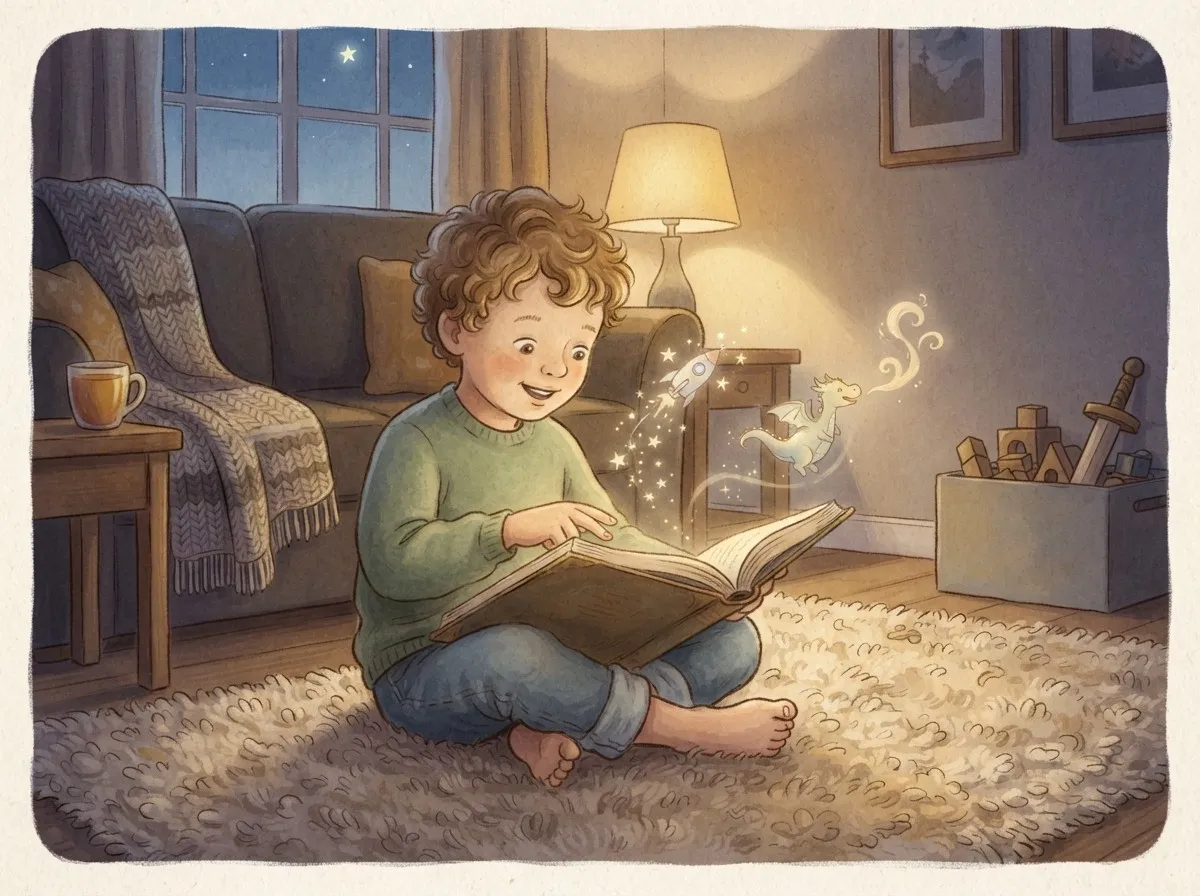
Personalised Books for 5 Year Old Boys: A Guide to Stories That Get Read Twice
To find personalised books for 5 year old boys that become bedtime favourites, look for stories that give him a real mission, with his own name and face inside.
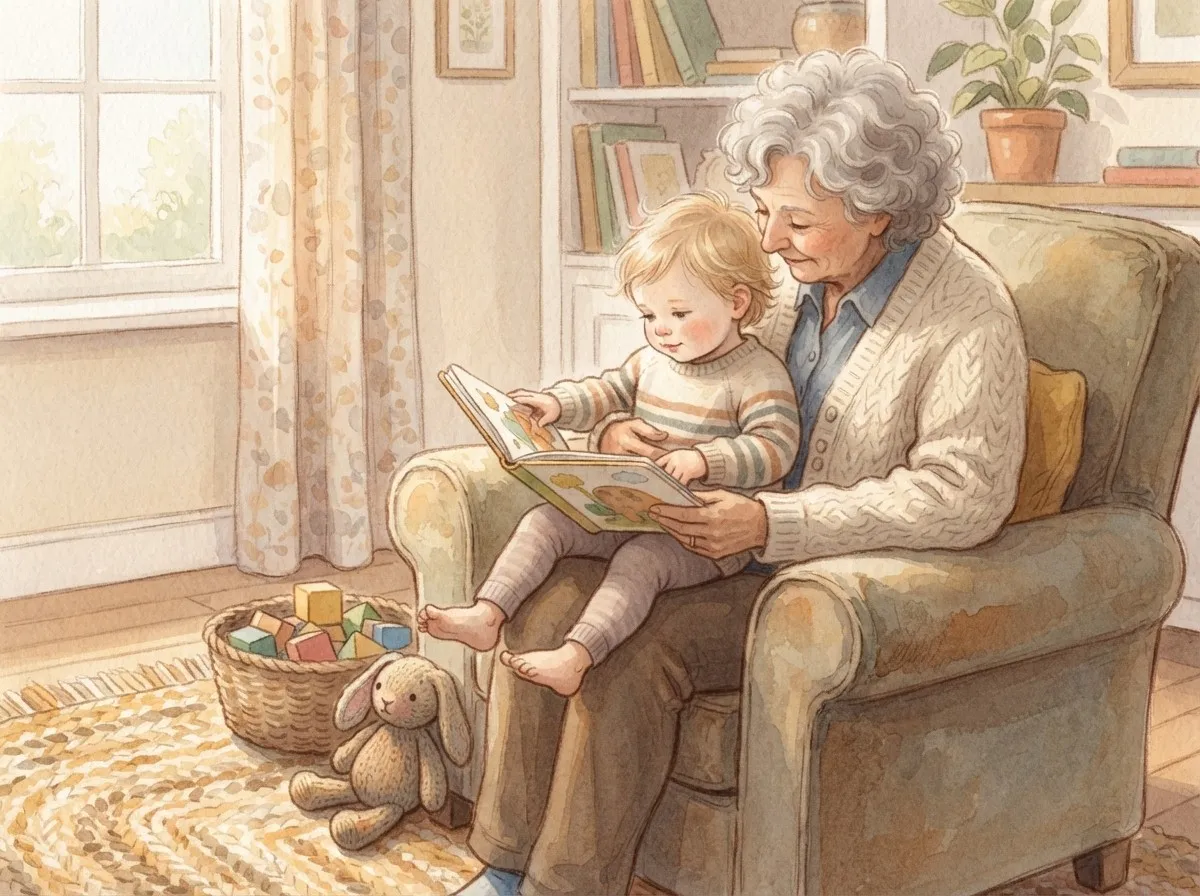
Personalised books for 1 year olds: what actually holds a baby’s gaze
A one-year-old needs faces, rhythm and familiar things more than plot, and the right personalised book can grow with them past the first candle.