

Books to help a child with a new sibling: stories that make room for every feeling
A practical, warm guide to choosing books to help a child with a new sibling by age, temperament and the feelings no one names.
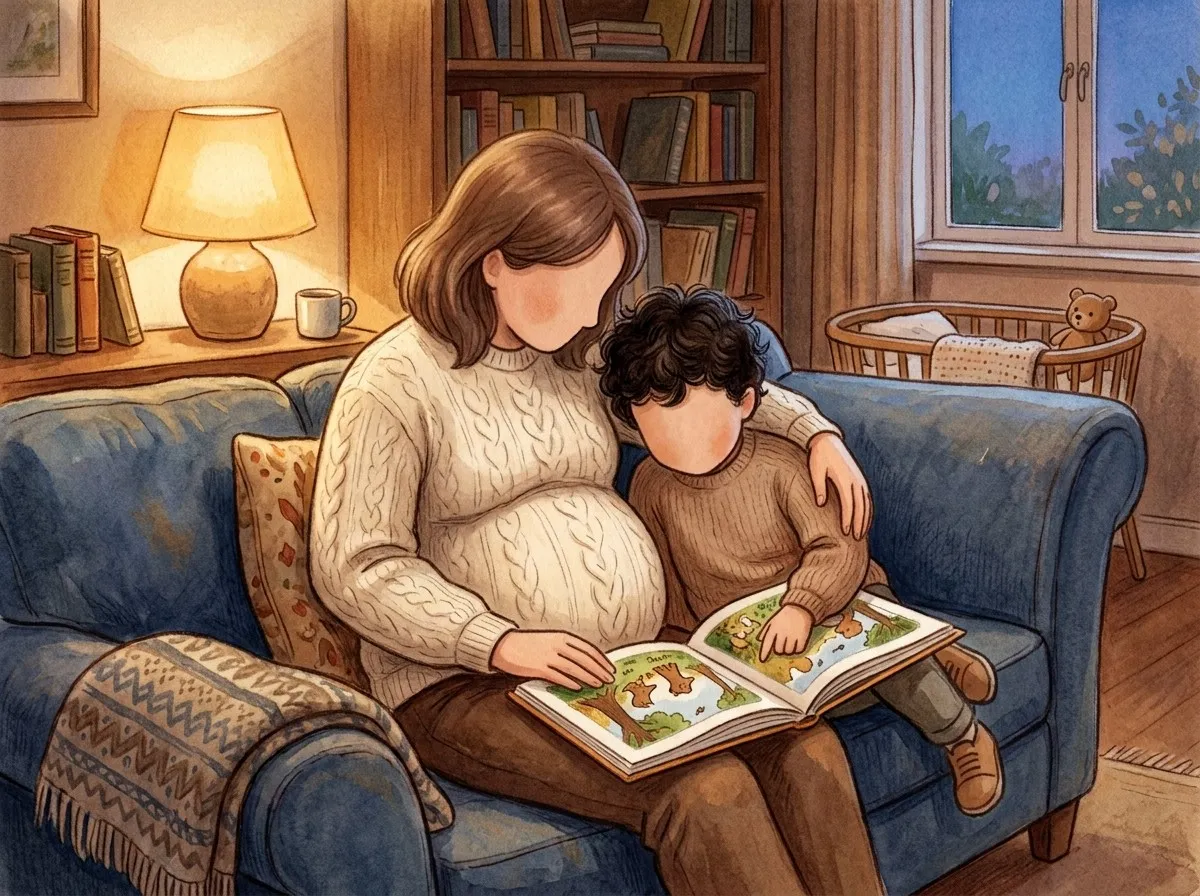
When you search for books to help a child with a new sibling, you are probably holding two thoughts at once: you want to protect your older child from feeling pushed aside, and you want to give them a way to name the storm of feelings that a new baby brings. The right story will not fix everything overnight, but it will hand your child something quietly powerful: permission.
What a new sibling book can actually do
A good book does not pretend the baby is only good news. It gives a child a vocabulary for the wobblier feelings that can feel too big or too shameful to say out loud. In the safety of a story, an older sibling can see that worry lives right next door to excitement, that jealousy can flicker in the same heart that already loves the new arrival, and that curiosity about this strange little person is allowed even when it sounds cross. Many parents find that reading together opens the very conversations they were struggling to start.
The book itself becomes a small, steady ritual during a season of unpredictability. While routines at home are tilting sideways, those ten minutes with a familiar story can anchor a child in the middle of the upheaval. A character who learns to share lap space, or who discovers that being the bigger one comes with its own importance, lets your child rehearse their new role without ever feeling lectured. If the story happens to star a hero with their own name and face, the connection often lands even more deeply, because the child is not just watching someone navigate the change—they are living it from the first page.
Match the story to the child, not the bump
A book that lands perfectly for a two year old will bounce straight off an eight year old. The trick is meeting your child where they are developmentally, not where the pregnancy calendar says they should be.
Ages 2 to 4: Short, rhythmic, and repeatable
At this age, a child’s attention span is roughly the length of a biscuit. Look for books under ten pages with a clear, repeating pattern they can anticipate and join in with. The story does not need to mention a baby at all. What it does need is a character who models the small, manageable challenge of sharing space or waiting for a turn. Teddy’s Turn to Share places that lesson in a familiar playroom, while Milo Finds His Mittens offers the comfort of a cosy home routine. Many parents find that toddlers ask for the same story night after night, and that repetition is exactly what builds the emotional scaffolding. A personalised book that puts your child on every page can hold their attention even longer, because the face they see is their own.
Ages 5 to 7: Agency and a proper plot
Children this age want to be useful, and they want stories with a beginning, a middle, and a proper problem to solve. Give them a character who makes things happen. The Biggest Little Helper and The Cake Only You Can Bake let a five or six year old see themselves as competent and needed, which is exactly the counterweight to feeling displaced. In Dragon School’s Kindest Flame, the challenge is fantastical but the emotional work is the same: finding your place when the group gets bigger. A story that names them as the hero reinforces that they are not just the older sibling, they are still the protagonist of their own life.
Ages 8 to 10: Metaphor and emotional distance
Older children often resist books that feel like a lesson wrapped in paper. They respond instead to metaphor, mystery, and stories that trust them to draw their own parallels. The Box Nobody Packed turns an unlabelled moving box into a quiet meditation on change and what we carry with us. The Jar of Loose Buttons uses small, tactile objects to explore memory and belonging without once mentioning a cot or a nappy. These stories give a child breathing room, the chance to process big feelings from a safe distance, with a character who shares their name but never their talking points. Browse the new sibling story ideas and let the child’s age, not the due date, guide your choice.
Pick books that make room for the ugly feelings
The lap changes shape long before the baby arrives, and a child who once had the whole sofa now shares it with a bump. In the months after the birth, that squeeze turns into a daily negotiation for attention. The books that help most are the ones that do not pretend this is easy. They make space for jealousy, possessiveness and the raw, quiet sadness of no longer being the only one.
If every page beams with a child thrilled to be a big sibling, your own child may sense that their less tidy feelings are wrong. A story that shows a character shouting “I want the baby to go back” or hiding behind the sofa because Mum is busy gives a child permission to own those emotions without shame. Naming the ugly feelings, even in a fictional character, often helps a child find words for their own.
When the character shares their name and looks back at them from the illustrations, the permission deepens. It is not just any child who feels cross and left out, it is them, and the story still ends with warmth and belonging. CubFable’s story ideas like The Quilt That Waited or The Basket of Borrowed Sunshine explore the shifting architecture of a family through a child’s eyes, allowing hurt and hope to sit side by side. Browse the Family, Friendship & Feelings collection for stories that let a child feel everything, not just the expected smile.
Read before the baby arrives, not just after
The first read should happen while the baby is still a bump, not when the household has already changed. A child who has heard the story before the birth has something to return to when everything feels unfamiliar. They already know the rhythm, the pictures, and where their own name appears. Many parents find that pre-birth reading makes the early days after the birth feel less like a sudden shift and more like a continuation.
After the baby arrives, reread the same book in short, low-pressure moments. You do not need to finish it. Sit close during a feed, or offer it while the baby sleeps. The goal is not to teach a lesson, it is to return to a story that already belongs to them. If they want to skip pages, let them. If they want the same page five times, stay there.
Ask gentle questions, but keep them open. “What would you say if that happened at our house?” works better than “Are you feeling jealous?” Let the child lead the conversation. Some children will talk through the character, others will only listen. Both are useful.
This approach works especially well with a personalised story, because the child’s name and photo make the book feel like a rehearsal of their own family rather than a lecture about it. Browse the new sibling story ideas before the due date so the book arrives early enough to feel familiar.
When a personalised story becomes the bridge
A personalised book can carry the weight of this change in a way an ordinary picture book sometimes cannot. The process begins with the parent, not the illustrator. You choose a new sibling story idea and base the choice on the child in front of you: a two-year-old may settle into a warm home story, while an eight-year-old may need a longer narrative to stay interested.
From there, you:
- Add the child’s name and details, then upload a photo so the illustrations look like them.
- Read the story text and approve it before any illustration is drawn.
- Read it on screen as soon as it is generated, or keep the printed, bound copy for the sofa.
That middle step matters. A new sibling story can go wrong in the small lines: who says sorry first, where the older child sits, whether anyone notices they are struggling. Seeing the text first means you are not handing a child a surprise that misses the mark.
The finished book is printed, bound and posted. The screen version means a child can return to the story in the car, on a bus, or curled beside the baby while Mum feeds. Many parents find the printed copy becomes the bedtime anchor, while the screen copy fills the in-between moments.
Because the child’s name and face are already inside the story, it stops being a book about a new baby and starts being a book about them.
Frequently asked questions
What age should I start reading books to help a child with a new sibling?
Start during pregnancy, as early as age two. Choose short, rhythmic stories for toddlers, plot-driven books for five to seven year olds, and metaphor-based stories for eight to ten year olds. Reading before the baby arrives helps the story feel familiar when the household changes.
Do personalised new sibling books actually help?
Yes, when the text is approved by the parent first. A character with the child's name and face turns the story into a rehearsal of their own role, which can make mixed feelings easier to name. The book feels like it is about them, not a lecture about the baby.
What if my child does not want to talk about the baby?
Do not force it. Let them return to the story without questions, skip pages, or sit quietly while you read. Some children talk through the character; others just listen. The value is in the shared ritual and the permission the story gives, not in drawing out a confession.
Should new sibling books show jealousy and anger?
Yes. Books that include jealousy, possessiveness and sadness help a child feel those emotions are allowed. If every page is only cheerful, an older child may decide their wobblier feelings are wrong. A story that names the hard feelings gives them both words and permission.
Make one for your own little hero
Pick a story idea, add your child, and we print and post the finished book.
Browse story ideasKeep reading
Personalised books for 5 year old girls that she'll read until the spine goes soft
A story where the heroine has her name, her face and her own quiet courage is the one she reaches for night after night, long after the plastic toys are forgotten.
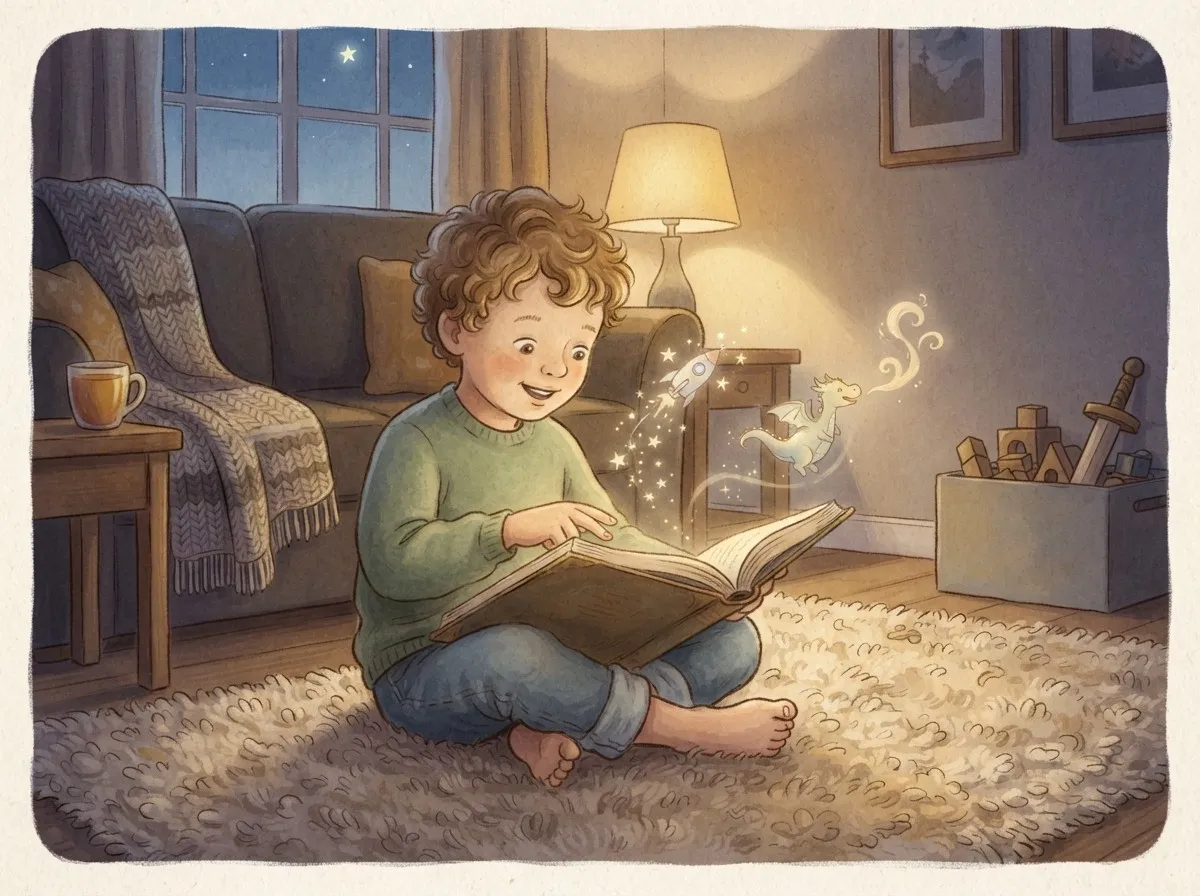
Personalised Books for 5 Year Old Boys: A Guide to Stories That Get Read Twice
To find personalised books for 5 year old boys that become bedtime favourites, look for stories that give him a real mission, with his own name and face inside.
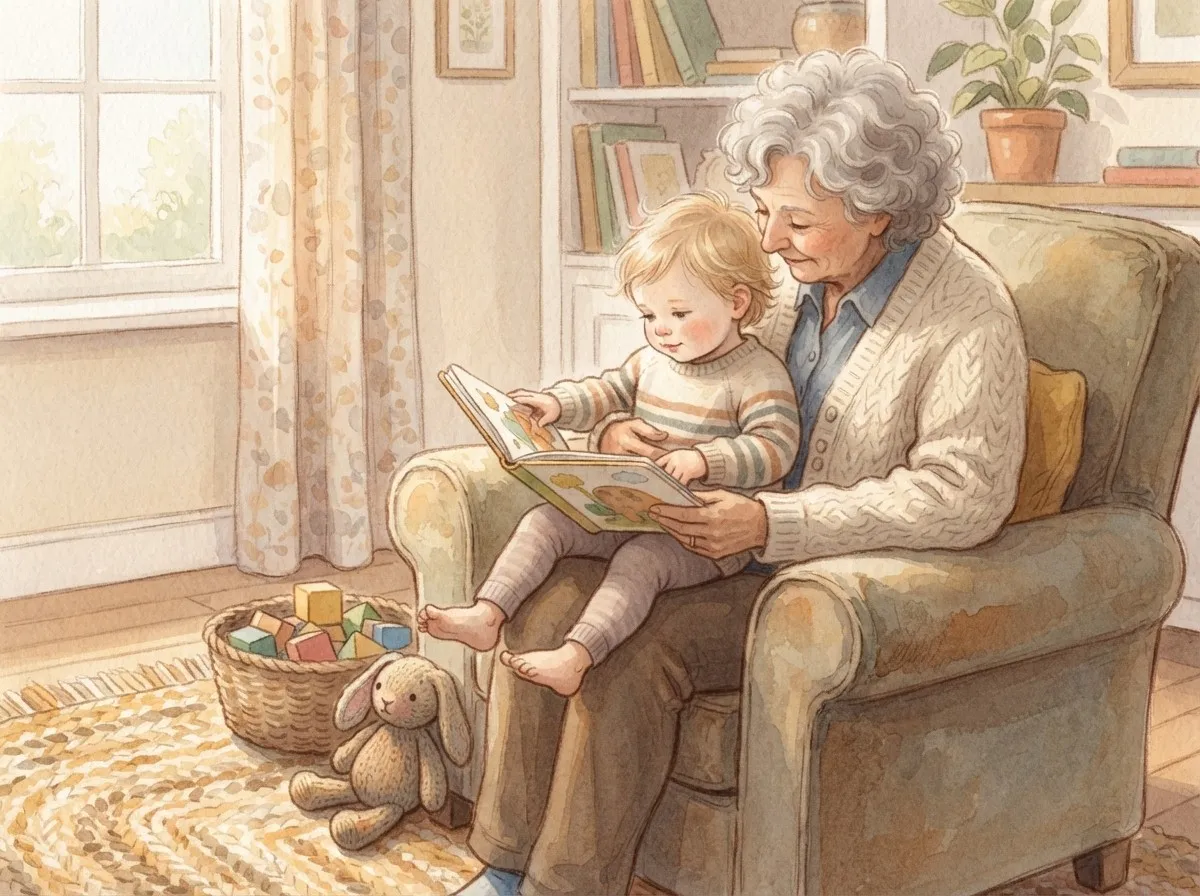
Personalised books for 1 year olds: what actually holds a baby’s gaze
A one-year-old needs faces, rhythm and familiar things more than plot, and the right personalised book can grow with them past the first candle.