

How to Get a Child to Enjoy Reading: The Quiet Way In
A quiet shift that helps a reluctant reader fall in love with stories by following what already lights them up, not what feels 'good for them'.
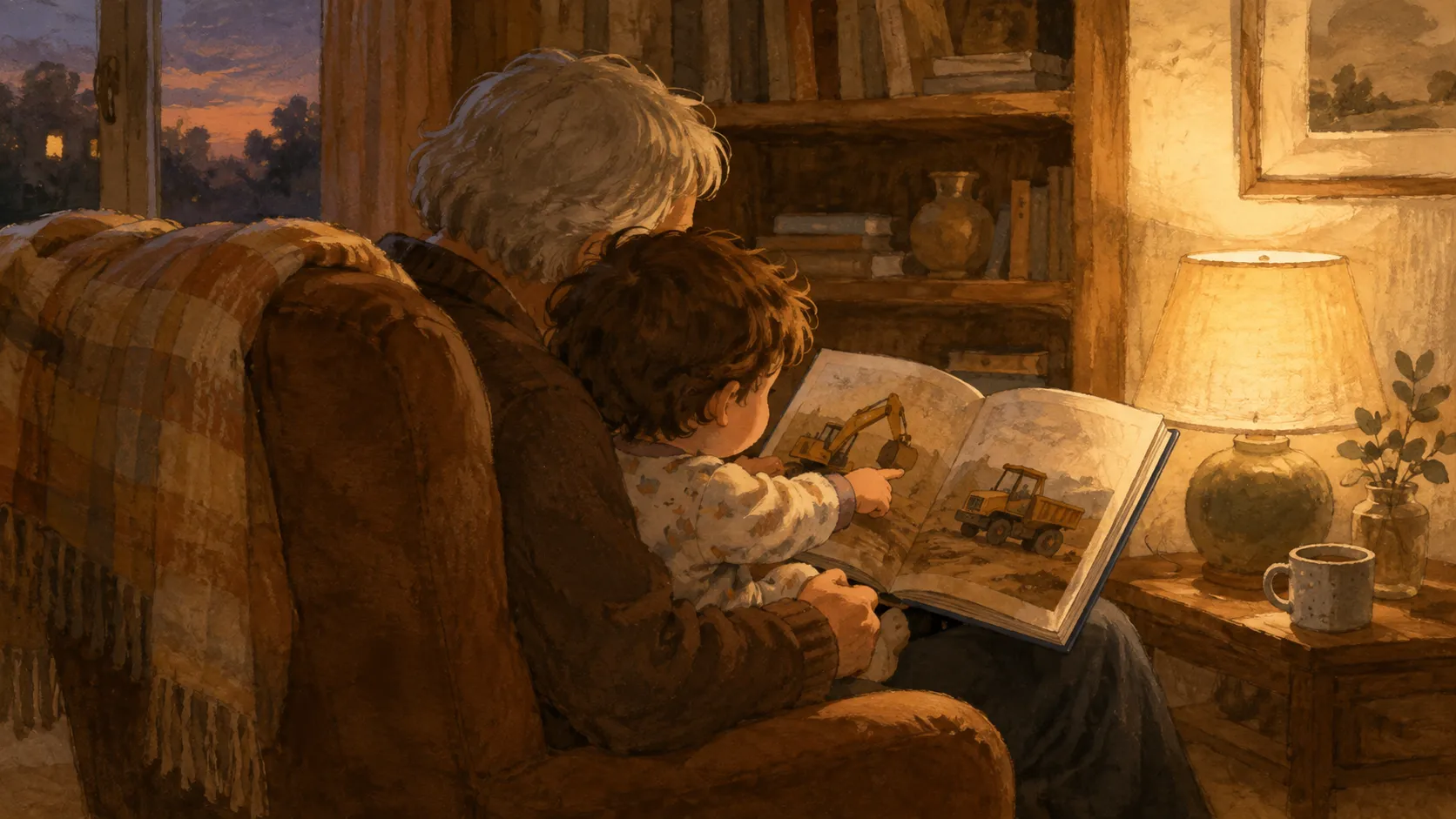
If you have ever wondered how to get a child to enjoy reading, you have likely been told to hand them a “good” book and hope it sticks. But a much quieter truth works better: the surest way in is through whatever already lights them up. Forget what feels worthy or educational and watch what they reach for when nobody is asking.
Let Their Obsessions Lead the Way
A child who will not sit still for a classic picture book might spend forty minutes poring over a digger catalogue. That is not a reading problem. It is a clue. Matching a book to a child’s current fascination, whether it is unicorns, space launches or the bin lorry, bypasses resistance entirely. The story stops being a task and becomes something they hunger for.
Many parents find that chasing a child’s interest works far better than pushing a title that feels “good for them”. A three-year-old obsessed with earth movers does not need a book about sharing vegetables. They need diggers, tracks and muck. When the book meets them where they already are, reading feels like play, and the habit begins to build itself.
Spotting what lights them up is simple. Notice what makes them stop mid-sentence, the toy they carry everywhere, the one fact they repeat to every grown-up in earshot. That is your invitation. Then look for stories anchored in that exact world. Browse the adventure and fantasy story ideas and you will find dragons, castles and far-off worlds waiting for a child who refuses to take off the cape. For the nature-obsessed, stories like The Garden’s Tiny Parade or The Lantern in Whispering Wood turn a love of minibeasts or leaves into a proper narrative quest.
A personalised book can deepen that connection further. At CubFable, you choose a story idea that matches the child’s passion, enter their name and even upload a photo so the illustrations become theirs. A unicorn lover sees their own face riding through Dragon School. A space enthusiast becomes the pilot in Rocket Rescue on Planet Blue. When the hero of the story looks like them and cares about the same things, you do not need to ask twice.
Turn Reading Into a Snuggle, Not a Lesson
A child who squirms at the sight of a book often is not resisting the story. They are resisting the expectation. The moment you set aside the idea of “reading practice” and offer a cosy lap instead, the dynamic shifts. Physical closeness, a calm voice and the same gentle start each evening tell a child that this is not a test. It is simply a place where they are warm, safe and wanted.
For a reluctant reader, that distinction changes everything. The promise of undivided attention becomes the draw, not the words on the page. Many parents find that a predictable ritual, after baths and before lights out, works better than any pep talk. A calm, unhurried voice gives a child permission to relax into the rhythm of the sentences without worrying about getting things right. The story stops being a performance and turns into a shared breath at the end of a busy day.
You do not need dramatic voices or a perfectly paced plot. A soft, steady tone and a child tucked against your side are enough. The book itself might be only six pages long. Goodnight, Little Moon, from the bedtime story ideas, is built for exactly that kind of quiet moment. When reading becomes a reliable pocket of closeness, a child starts to associate books with comfort first and effort second. That is the quiet shift that makes a reluctant reader reach for a story again, not because someone asked, but because they want to climb back into that familiar, snug space with you.
Give Them the Power to Choose
Choice is the little spark that turns a passive listener into a keen participant. A child who has no say in the book often treats it like a vegetable on a plate. A child who gets to pick, even if they choose the same story about diggers every single night, feels a flicker of ownership. That ownership is what hooks them.
Let them pull the book from the shelf themselves. If you are browsing together, browse the story ideas and let them point at the cover that calls to them. A wobbly finger on The Very Busy Digger or The Cake Only You Can Bake is a decision. It tells them their taste matters. Many parents find that the repetitive choice of one favourite book is not a sign of being stuck. It is a child mastering a small world, and that mastery builds a quiet confidence that eventually reaches for new stories.
When you create a personalised book with CubFable, that power of choice can start even earlier. You can sit with the child and let them choose the story idea from the template gallery before you type in the name and upload the photo. The story becomes their project from the very first click.
Before you read a single word, hand them the book and let them leaf through the pictures at their own pace. Pointing at a caterpillar, naming a dog, making up a sentence about a muddy puddle. That counts, too. Picture browsing is reading on their own terms, and it gives them the control that makes the whole experience feel like something they own, not something they are asked to do.
When They See Themselves in the Story, Something Clicks
A child who normally wriggles off your lap will suddenly freeze mid-page when they hear their own name. Not just in the dedication, but threaded right through the adventure. That jolt of recognition changes reading from a distant spectacle into something that is happening to them.
CubFable builds the whole book around that moment. You pick a story idea from the catalogue, enter the child’s name and a few details that matter to them, and upload a photo. The text is shown to you for approval before a single illustration is drawn, so you see exactly what your child will read. Once you are happy, the finished book is printed, bound and posted. Or, if miles sit between you, the story appears on screen instantly, ready to share over a video call.
That makes it a gift many grandparents reach for, especially when they live far away. A grandchild opening The Lantern in Whispering Wood or Captain Coral and the Missing Pearl is not just receiving a story. They are finding themselves in a world their grandparent chose for them. You can browse the grandparent story ideas and see which setting feels right.
When a three-year-old spots a character that shares their own messy curls or a smile that looks just like theirs, they do not analyse it. They simply lean in. And that leaning in is where the love of reading takes root.
Drop the Timer and the Tally Chart
A reading log with a gold-star target can feel like a gentle nudge. To a child it often feels like a test they did not sign up for. The moment you start counting minutes or ticking boxes, the story becomes a chore, and a chore is something a child learns to avoid.
Many parents find that removing the tally chart changes the whole mood of reading time. You stop clock-watching. The child stops sensing your frustration when they ask a question instead of finishing the paragraph. A pile of untouched books stacked for a summer challenge can silently whisper “you are behind”, and that whisper is heavier than we realise.
Modelling what to do with a dull book is a quiet gift. Shutting it halfway through and saying, “This one is not for me,” teaches a child that reading is not a duty to endure. It is a pleasure you are allowed to curate. That permission matters more than finishing every story you start.
The same patience applies when a small child listens to two pages and then slides off the sofa to fetch a toy car. They have not failed the book. They have taken what they needed from it right now, and the story is still there tomorrow. A child who returns to those two pages again and again is building a relationship with the book on their own terms. That is still reading. That is still the path.
Frequently asked questions
Can a personalised book really help a child enjoy reading?
Yes, a personalised book can spark a child's love of reading by making them the hero of the story. When a child sees their own name and even their own face in the illustrations, the book feels like it belongs to them. That sense of ownership turns reading from a task into a personal adventure they want to return to.
Make one for your own little hero
Pick a story idea, add your child, and we print and post the finished book.
Browse story ideasKeep reading
Personalised books for 5 year old girls that she'll read until the spine goes soft
A story where the heroine has her name, her face and her own quiet courage is the one she reaches for night after night, long after the plastic toys are forgotten.
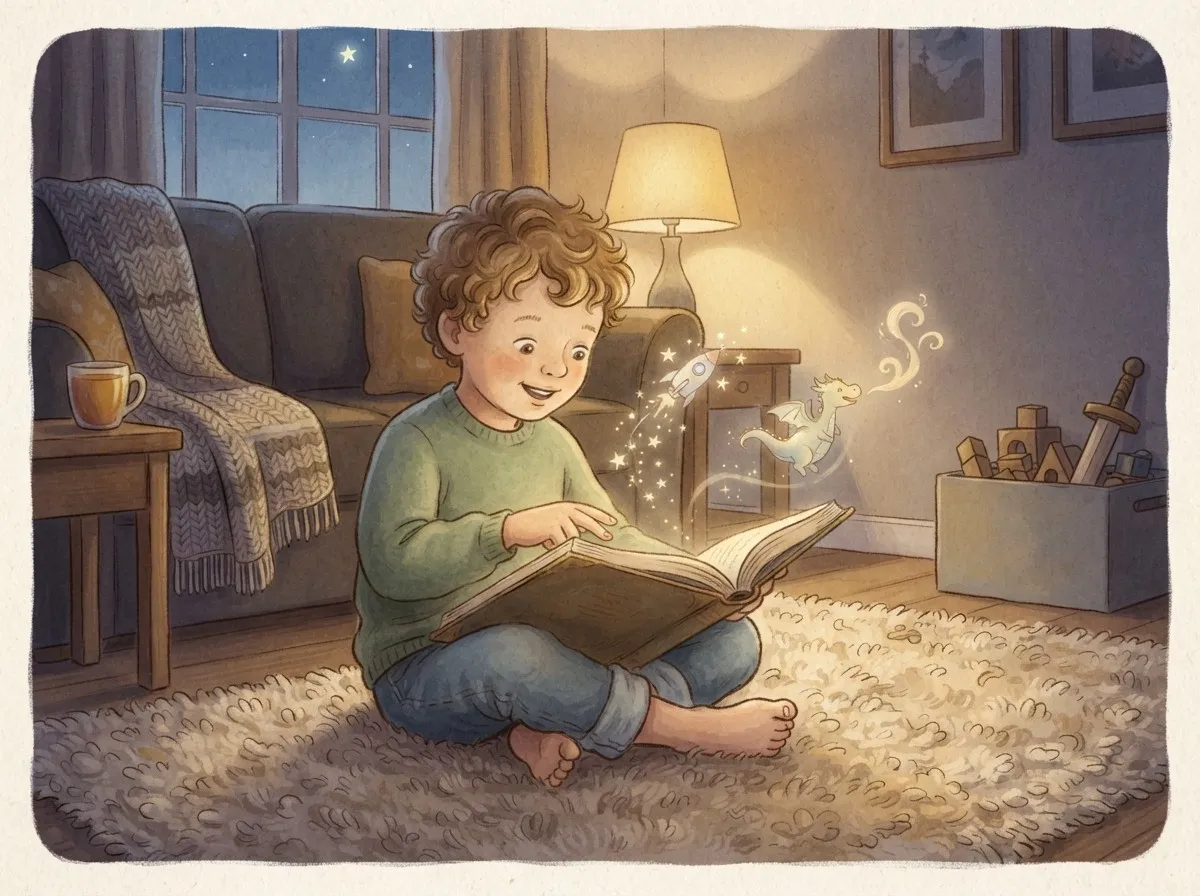
Personalised Books for 5 Year Old Boys: A Guide to Stories That Get Read Twice
To find personalised books for 5 year old boys that become bedtime favourites, look for stories that give him a real mission, with his own name and face inside.
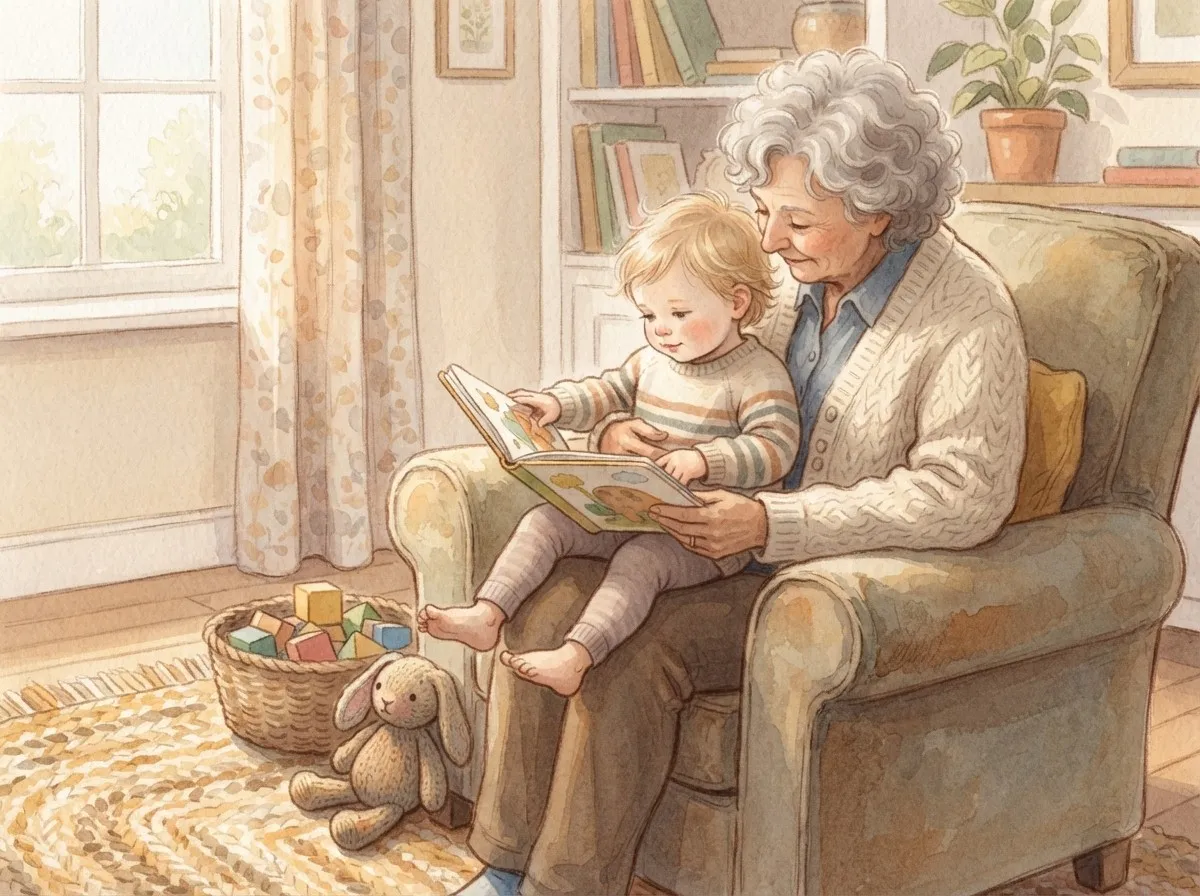
Personalised books for 1 year olds: what actually holds a baby’s gaze
A one-year-old needs faces, rhythm and familiar things more than plot, and the right personalised book can grow with them past the first candle.