

Gifts for Kids Who Love Dinosaurs: Books, Kits and Adventures That Match the Obsession
Gifts for kids who love dinosaurs work best when they feed the obsession rather than just add to the pile.
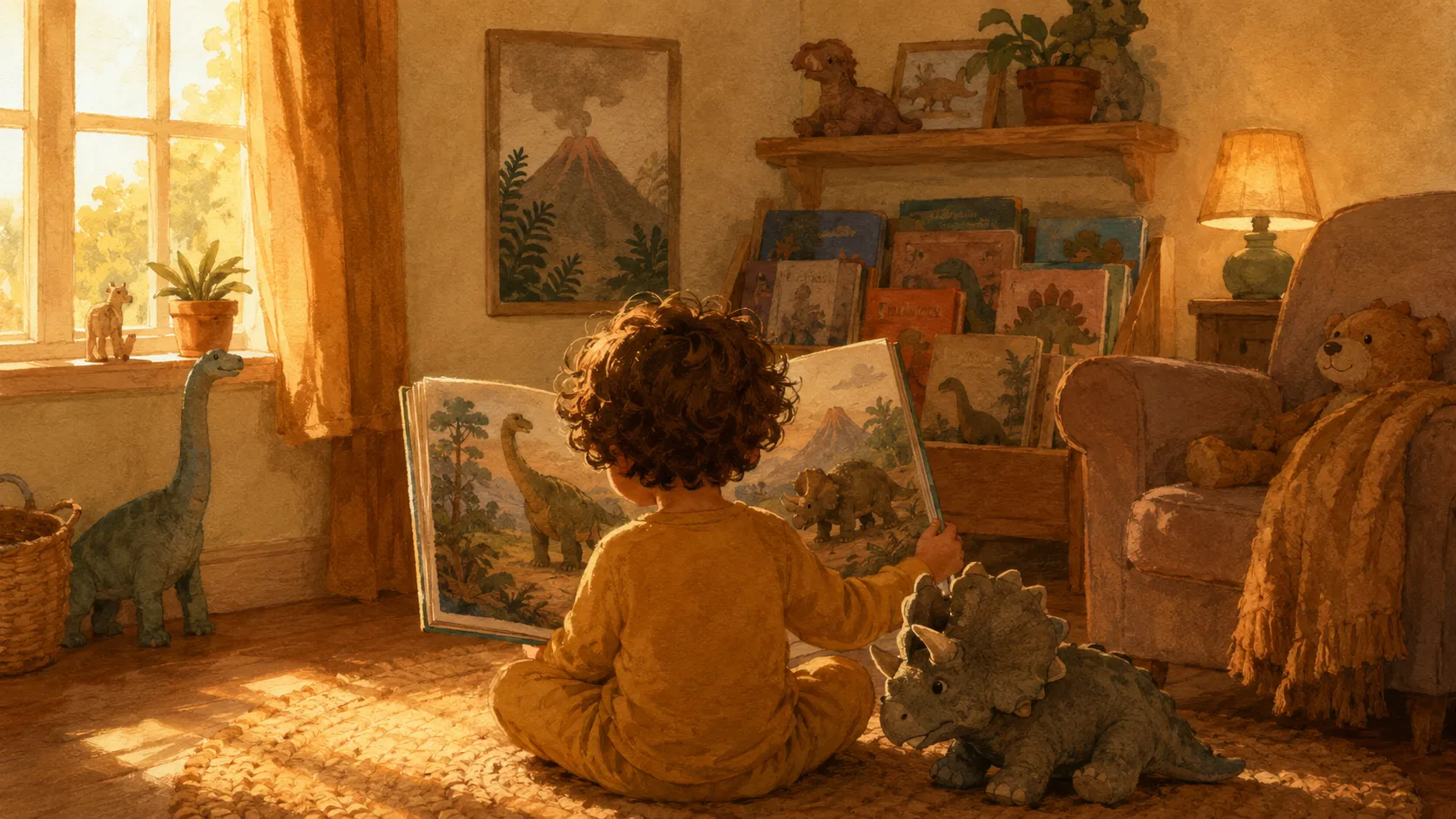
If you have ever found yourself in the toy aisle holding a seventh plastic triceratops and wondering whether there is a better way, you are not alone. Searching for gifts for kids who love dinosaurs can feel like an endless loop of more stuff. The good news is that a child deep in a dinosaur phase is not just collecting things; they are in the middle of a genuine, sprawling intellectual passion.
The dinosaur phase: why it’s brilliant and how to shop for it
That passion deserves to be taken seriously. A four year old who can pronounce Parasaurolophus is not showing off: they are practising mastery, categorisation and storytelling. Many parents notice that a dinosaur obsession helps children build confidence, because knowing things feels powerful when you are small. The instinct is to feed that fire with another model for the shelf. And sometimes, a little plastic stegosaurus is exactly right.
The shift worth making is from gifts that only add to a collection, to gifts that match the depth of the interest itself. Rather than another figure that will be lost under the sofa, look for something that invites the child into the story. A dinosaur-obsessed child who sees their own name inside a book—perhaps alongside a creature as kind as it is scaly—moves from naming facts to living an adventure. You are no longer just placating a phase. You are walking into it with them, turning a roar into a narrative that feels like theirs.
If that sounds right for your small palaeontologist, you might browse the adventure and fantasy story ideas where a dragon story often scratches the same itch as a dinosaur tale, with a bit more flame.
Play that roars: toys and kits that hold attention
For a two to four year old, choose chunky dinosaur figures that fit in a fist and can move from sandpit to bath to blanket cave without protest. Large soft plastic or wooden dinosaurs with sturdy legs often outlast button-driven toys because the story comes from the child, not from a speaker.
Four to six year olds usually get the most from magnetic tiles paired with a small set of dinosaur figures. They can build caves, volcanoes, swamps and fences, then knock them down and start again. The dinosaurs change roles every afternoon, which keeps the play open-ended rather than fixed to one script.
From six to eight, a simple dig kit earns its dust. Look for a plaster block with a real brushing and scraping feel, not one that cracks open in two minutes. Extracting the bones slowly becomes part of the game, and the skeleton can be rebuilt again and again.
Eight to ten year olds often prefer a build-it-yourself dinosaur skeleton or an excavation that asks for careful, patient work. A set of unpainted figures with good proportions can also become a reference collection for drawing, labelling and invented species.
The test is simple: can the child make the toy do something new tomorrow? If yes, it will probably outlast the roar.
Books they’ll pull off the shelf every single night
A well-chosen dinosaur book does something a plastic figure rarely manages. It becomes the last thing a child sees before sleep and the first thing they reach for in the morning, cover soft and corners rounded from love. The right book sits on the shelf not as a reference tool, but as a nightly invitation back into a world they are desperate to revisit.
What works at each age
Toddlers and two to four year olds thrive on chunky board books built around a single, satisfying idea. A rhyming text about a stomping triceratops or a quiet bedtime book where different dinosaurs settle down works because the rhythm is predictable and the pages turn easily in small hands. At this stage, you are looking for six to ten thick pages with a clear visual on every spread. The story can be very simple; the magic lies in hearing it again and again until the child chimes in before you turn the page.
| Age | Book type | Why parents find it sticks |
|---|---|---|
| 2–4 | Rhyming board books | Predictable text and chunky pages let tiny hands join in without help. |
| 4–6 | First non-fiction with large illustrations | A single big fact per page feeds curiosity without overwhelming. |
| 6–8 | Illustrated encyclopedias and "record" books | Children love comparing sizes, speeds and names, and a well-organised book grows with their reading. |
| 8–10 | Narrative non-fiction and deeper reference | Stories of real fossil hunters or books that explain extinction and evolution meet a deeper hunger. |
From four to six, first non-fiction picture books work best when they pair a big, labelled illustration with a single clear fact per page. A book that answers questions like “which dinosaur had the longest neck” keeps a five year old pointing and asking for more, night after night. Many parents find that children this age memorise the pages before they can read the words, and that early confidence fuels a real attachment to the book itself.
By six to eight, an illustrated encyclopedia or a book of dinosaur records becomes a companion for years. The child might read it with you at first, then on their own, then return to it with new questions. The best editions use colour-coded fact boxes and size comparison charts, so a seven year old can find what they want without help. At eight to ten, a child often craves true stories: how fossils form, how scientists piece together a skeleton, or what happened to the dinosaurs after the asteroid. A narrative non-fiction book that treats the subject with respect will stay on the bedside table long after the toys have been tidied away.
A story where their own name is printed inside a volcano
A CubFable book places the child at the centre of the story, rather than leaving them on the sofa as a reader. You choose a story idea, enter the child’s name and details, and upload a photo so the illustrations really look like them. The text is shown for your approval before the artwork is drawn. Then a printed, bound copy arrives in the post.
For a dinosaur lover, the appeal is scale. Browse the adventure-fantasy collection for dragons, castles, hidden worlds and other grand settings that feel like a natural companion to prehistoric play. The stories are not dinosaur books, but many parents find they feed the same appetite for wonder, discovery and big landscapes.
Because the child’s name appears throughout and their face is drawn into the scenes, the book stops being a generic gift. Many parents find that spotting their own face in the illustrations turns reading into a shared ritual, with the child pointing, asking questions and requesting the same story tomorrow. The book can also be read on screen as soon as it is generated, so there is something to share even before the printed copy reaches the shelf.
Experiences and wearables for the kid who already has all the toys
When the bedroom already resembles a natural history museum, the best gift might not be an object at all. An outing creates a shared memory that outlasts any plastic triceratops, and grandparents often love having a specific adventure to plan together. A trip to a natural history museum lets the child stand beneath a real sauropod skeleton and feel the scale of what they have only seen in books. Many museums run early-morning dinosaur breakfasts or fossil-handling sessions aimed at ages four to eight, which turns a visit into an event rather than just a walk through the galleries.
If a day out is not possible, a dig kit subscription brings the excavation home without adding permanent clutter. Each month a new block of plaster arrives with tools and a specimen to uncover. The child chips away for an afternoon, identifies the find, and then you quietly recycle the debris. The thrill is in the process, and once the fossil sits on a shelf for a few weeks, nobody minds when it slips into a drawer.
For everyday wear, dinosaur pyjamas are a small, practical gift that gets genuine use. Look for soft cotton sets with printed skeletons or scales rather than stiff character appliqués that feel scratchy at bedtime. A sturdy backpack shaped like a stegosaurus or printed with a T. rex silhouette does double duty on nursery runs and museum trips, carrying the day’s treasures without adding to the toy pile. If you want one gift that bridges the physical and the magical, browse the adventure-fantasy collection for a story that sends a named child into a landscape as big as the prehistoric world they already love.
Frequently asked questions
What gift keeps a dinosaur-obsessed child interested for longer?
Choose anything that invites open-ended play or repeated reading. Chunky dinosaur figures, magnetic tiles, dig kits and illustrated reference books let a child build, discover and compare over many sessions. A personalised adventure book can hold attention too, because the child sees themselves inside the story rather than simply watching from the outside.
Are personalised books suitable for a child who loves dinosaurs?
They work well when the adventure feeds the same sense of scale and wonder. Even if the story is not prehistoric, a child who sees their own name and face inside a grand landscape often treats the book as a favourite. Many parents find it becomes a repeated bedtime request because it feels personal.
What is the best dinosaur gift for a child who already has too many toys?
An experience is often the best choice. A museum visit, fossil-handling session or dig kit subscription adds discovery without permanent clutter. If you want a physical item, choose something functional like dinosaur pyjamas or a backpack, or a personalised story that turns their interest into a true keepsake.
Make one for your own little hero
Pick a story idea, add your child, and we print and post the finished book.
Browse story ideasKeep reading
Personalised books for 5 year old girls that she'll read until the spine goes soft
A story where the heroine has her name, her face and her own quiet courage is the one she reaches for night after night, long after the plastic toys are forgotten.
Personalised Books for 5 Year Old Boys: A Guide to Stories That Get Read Twice
To find personalised books for 5 year old boys that become bedtime favourites, look for stories that give him a real mission, with his own name and face inside.
Personalised books for 1 year olds: what actually holds a baby’s gaze
A one-year-old needs faces, rhythm and familiar things more than plot, and the right personalised book can grow with them past the first candle.