

How Many Books Should a 3 Year Old Have? A Practical Shelf Guide
How many books should a 3 year old have? A practical answer with shelf numbers, rotation tips, and a personal bedtime tale.
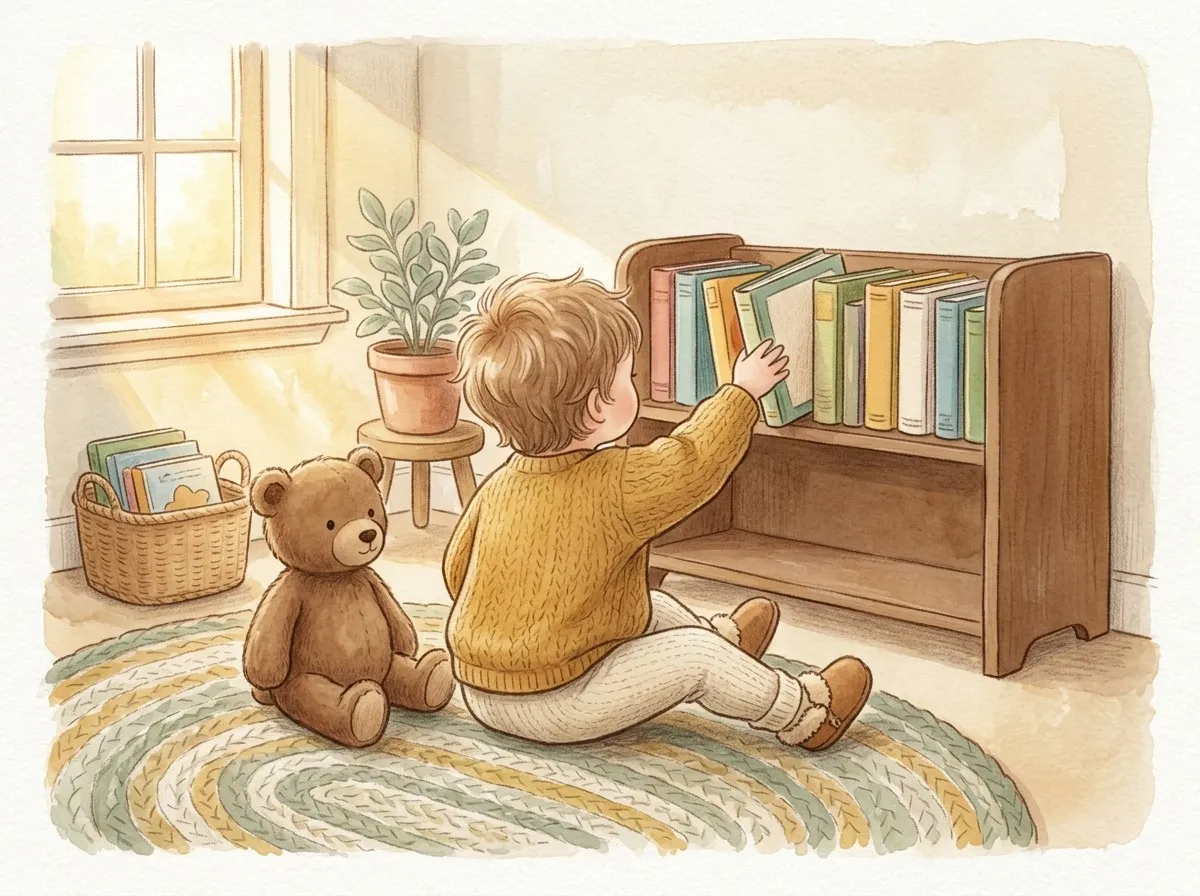
If you are asking “how many books should a 3 year old have”, you are probably staring at a birthday list or a shop shelf and wondering what a sensible number looks like. The honest answer is that there is no official minimum or maximum, and no expert body has ever declared a magic figure. What matters more than a count is how often a small child actually sits down with a story.
It's Less About a Number, More About a Routine
A practical starter range that many families find useful is somewhere between eight and twenty picture books kept in easy reach. That is not a target to stress over. It is simply enough to rotate a small pile on a low shelf or a basket by the sofa without the same three covers staring back every evening. A three year old will sit still for about eight pages, so short, warm stories you can finish in one cuddle tend to earn their keep. Having a modest handful of well-chosen books also means you can follow the child’s lead when she grabs the same favourite again.
And she will. Re-reading is not a sign that you need more books. It is how toddlers build language, notice patterns and feel safe. A calm, predictable reading slot, whether that is after breakfast, right before nap or curled up before the bedtime routine, does more for a child’s relationship with stories than a bulging bookcase ever could. The goal is not a library. The goal is a habit.
If you are still choosing what belongs on that low shelf, you might browse the story ideas to find one that matches your child’s current world, whether that is a garden adventure, a favourite digger or a bedtime tale that ends with their own name.
What a Three Year Old Actually Needs on the Shelf
A three-year-old’s reading looks nothing like a quiet, independent browse. It is short, physical and gloriously repetitive. Many parents find their child will sit still for about eight pages before wriggling away, then demand the same eight pages again the next night. Clear, uncluttered pictures that tell the story without words help toddlers follow along, and thick, sturdy pages that small fingers can grip and turn themselves make a book feel like a treasure rather than a fragile object.
That is why a small shelf of well-matched titles beats a large untouched pile. A child who can reach for a beloved story about a garden parade, a bedtime moon or a favourite digger is far more likely to pull you onto the sofa than one who stares at a crowded bookcase and walks away. The books that earn their place are the ones that connect to the child’s own world. A story like Goodnight, Little Moon or Teddy’s Turn to Share fits this age beautifully because it mirrors a bedtime routine or a playroom tussle they actually live.
A personalised book takes that connection one step further. When a child sees their own name on the page and an illustration that looks like them, the story stops being someone else’s adventure and becomes theirs. That small, familiar shelf might hold only a handful of titles, but if one of them is a bedtime story idea in which they are the main character, you have a book that earns its place night after night.
Keep a Few Out, Stash the Rest
Even a thoughtfully chosen shelf can start to feel like a wall of noise if too many spines face a three year old at once. The fix is simple and costs nothing. Choose about ten to fifteen books to stand face-out on a low shelf or in a basket, and tuck the rest into a cupboard the child cannot open alone. What is visible becomes the whole library for a week or two.
A small, curated display lets a toddler scan the covers and make a real choice without getting stuck. Many parents find that when the selection shrinks, their child picks up a book more often rather than less. The familiar favourites stay in rotation, but you also create space for a story that got buried a month ago to feel new again. When you notice a title being ignored for several days running, swap it out. Slip it back into the hidden stash and bring forward something different: perhaps The Garden's Tiny Parade replaces Teddy's Turn to Share for a stretch, or The Very Busy Digger comes back into favour after a fortnight's rest.
The hidden collection also gives you a quiet advantage during gift-giving seasons. Grandparents often ask what to buy, and a personalised book like Goodnight, Little Moon that arrives when interest in the visible shelf is fading slots in without fanfare. You simply add it to the rotation and let the child discover it among the trusted handful.
Rotating titles this way stretches a modest collection further than you would expect. It also teaches a gentle truth without a single lecture: books are not wallpaper. They are worth revisiting, worth waiting for, and worth keeping special.
Make Room for Books That Grow Past the Birthday
Build the shelf around ordinary places a three year old already recognises: bedtime, home, garden and playroom. A short stack that touches these corners of the day is easier to love than a wall of themed books bought for a party.
A useful mix might look like this:
- Bedtime: Goodnight, Little Moon or The Torch Under the Pillow
- Home: Milo Finds His Mittens or The Birthday Parcel That Hummed
- Garden: The Garden's Tiny Parade or The Little Door in the Hedge
- Playroom: Teddy's Turn to Share
Keep a couple of these as sturdy board books for solo turning, and choose the rest as simple picture books with enough story to read aloud more than once. Board books survive the grabbing and throwing that still happens at three. Picture books stretch attention a little further without becoming a school-age read.
Then look ahead to four and five. Some toddler titles will naturally fall away. The ones that last tend to have a little more plot, a familiar setting or a small problem that still matters to a five year old. The Basket of Borrowed Sunshine is suitable from four, and many parents find it keeps its place on a home-themed shelf long after. A personalised story grows similarly because the child's name and face stay at the centre even when their interests move on. You can browse the story ideas by age and occasion to check what fits that later stretch.
If You're Buying One More Book, Make It Personal
Sometimes the best addition to the shelf isn't a new title your child has never met. It's a story they're already living. A personalised book puts the child's own name on the page, not just on a dedication plate at the front. They become the lead, the helper, the small hero who finds the lost mittens or takes the torch into the quiet dark.
CubFable makes that possible in a way that feels less like ordering a product and more like commissioning a small piece of their childhood. You start by picking a story idea that fits their age. For a three year old, Goodnight, Little Moon wraps bedtime in their own name, while Teddy's Turn to Share steps them into a playroom tale where they learn alongside a familiar bear. You enter the child's name and a few details, and you can upload a photo so the illustrations really look like them. Then you get to read the story before any artwork is drawn. Once you are happy, the book is printed, bound and posted to you.
The story stays readable on screen from the moment it's generated, which is handy if a birthday is still a week away and you need a bedtime read now. But the physical book, with its proper spine and pages, lands like a gift that was always meant for this particular child.
Grandparents often search for a present that won't duplicate the dozen others on the shelf. A personalised book slips into a child's collection as something no friend or cousin already owns. And because CubFable stories suit a wide range—roughly 2 to 10 years old—you can browse the story ideas by age and occasion to find one that hits right where the child is standing this month. No guesswork, just a story with their name at the centre, waiting to be opened.
Frequently asked questions
How many books should a 3 year old have?
There is no official number, but a starter range of eight to twenty picture books works well. Keep a rotating selection of ten to fifteen on a low shelf and stash the rest. A three-year-old thrives on familiar favourites, so re-reading the same story night after night builds language and comfort far more than a huge library.
Make one for your own little hero
Pick a story idea, add your child, and we print and post the finished book.
Browse story ideasKeep reading
Personalised books for 5 year old girls that she'll read until the spine goes soft
A story where the heroine has her name, her face and her own quiet courage is the one she reaches for night after night, long after the plastic toys are forgotten.
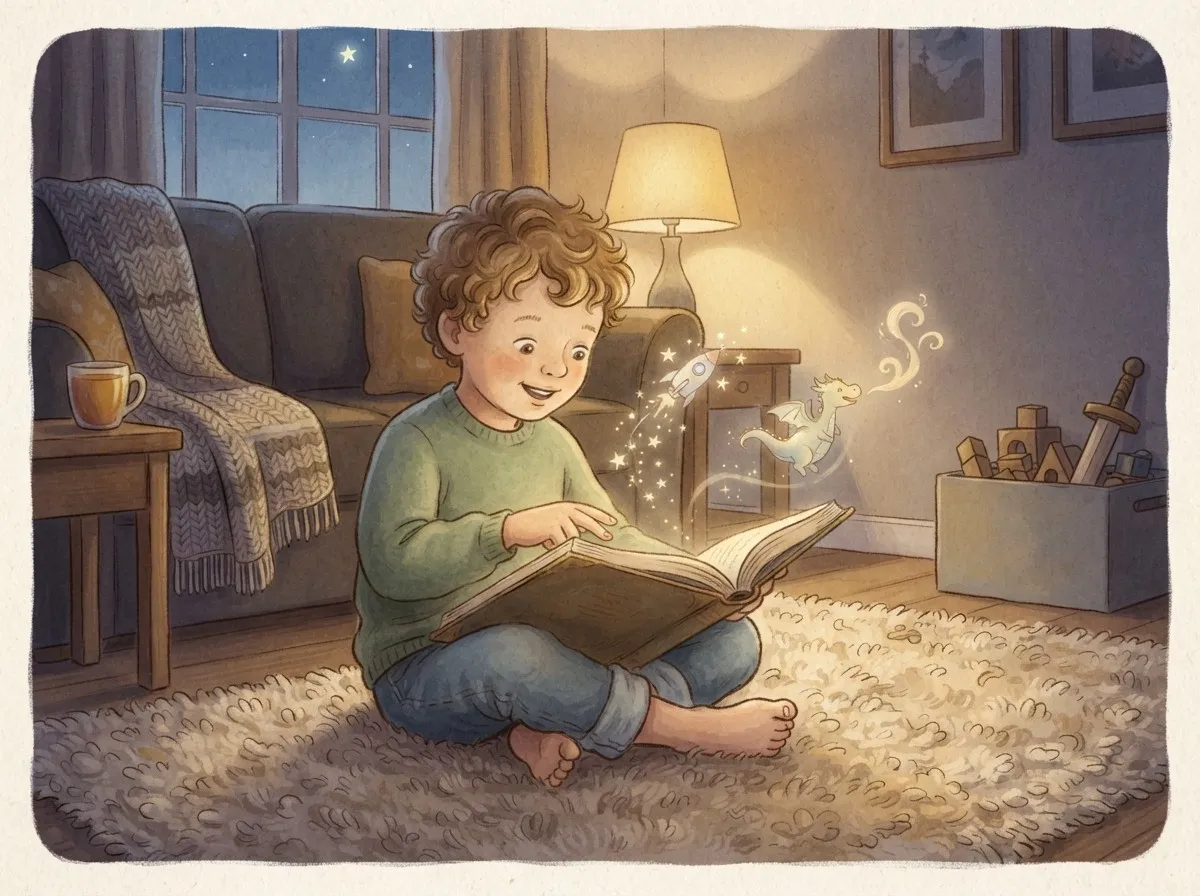
Personalised Books for 5 Year Old Boys: A Guide to Stories That Get Read Twice
To find personalised books for 5 year old boys that become bedtime favourites, look for stories that give him a real mission, with his own name and face inside.
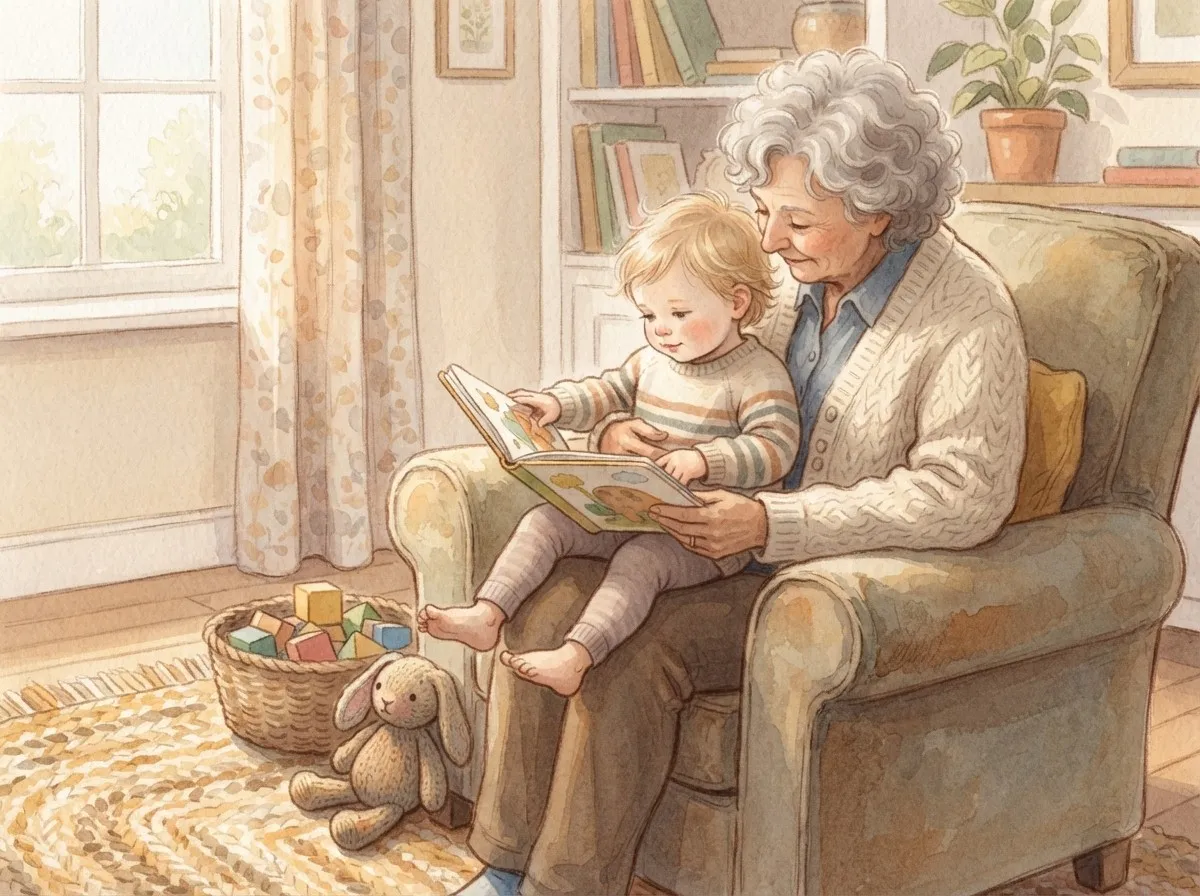
Personalised books for 1 year olds: what actually holds a baby’s gaze
A one-year-old needs faces, rhythm and familiar things more than plot, and the right personalised book can grow with them past the first candle.