

Why Personalised Books for 3 Year Olds Hold a Three-Year-Old’s Attention
How short, familiar personalised books for 3 year olds put the child at the centre and keep them asking for one more read.
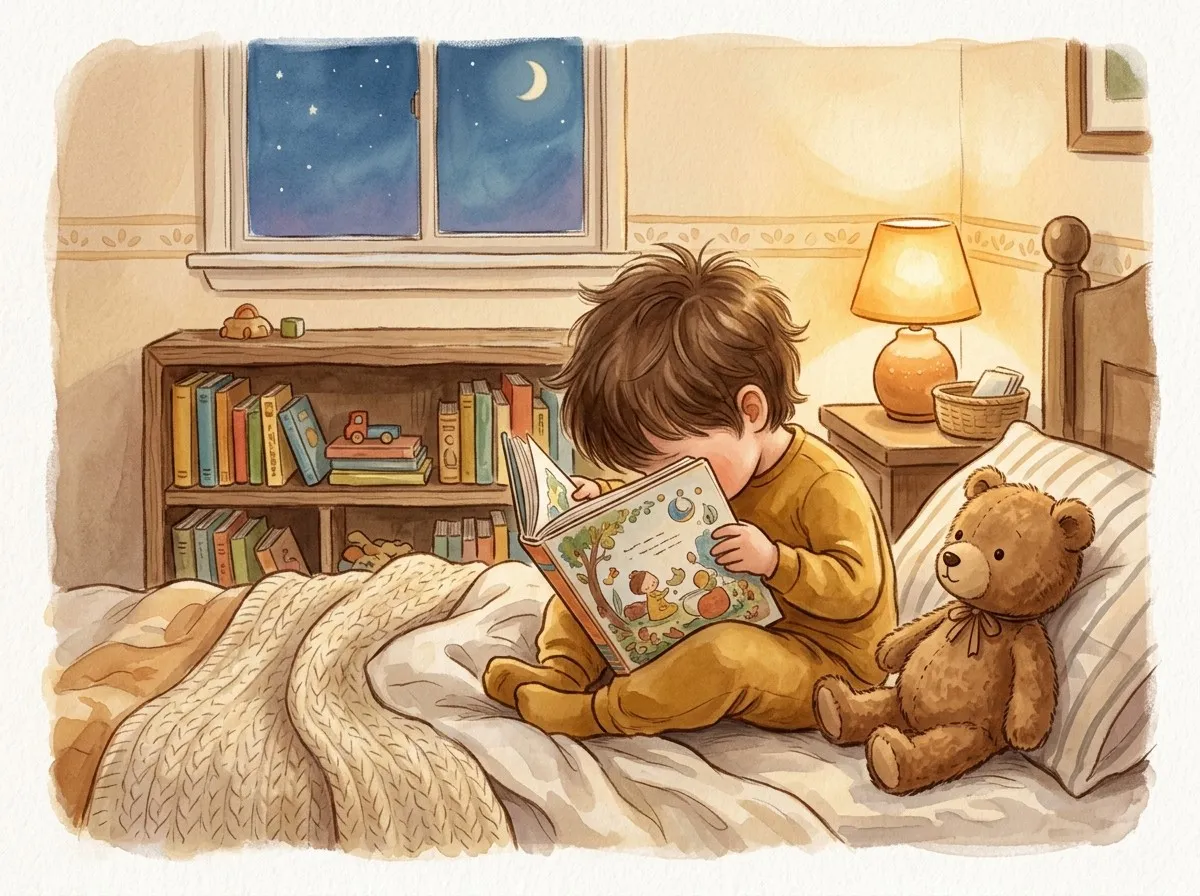
You want a gift that a three-year-old will actually finish, not one that ends up under the sofa. You may have already noticed that personalised books for 3 year olds catch their attention in a way ordinary picture books sometimes miss, and that is no accident. It is because the story is shaped around how a child this age really reads.
What a three-year-old actually needs from a story
A three-year-old’s attention span is short and deeply concrete. Many parents find their child will sit still for about eight pages before they need to wiggle, point at something, or wander off to find a biscuit. That means a story has to earn every page it keeps. If the plot twists, the child may already have lost the thread. If the language is abstract, they will simply stop listening.
What works is predictability. A three-year-old loves knowing what comes next. They want the same word repeated, the same rhythm returned to, and the same small surprise delivered on the final spread. Short, patterned stories give them the thrill of mastery: they can predict the ending, and that feels like winning.
A genuinely engaging book at this age also puts the child at the centre of a familiar world. Kitchens, gardens, puddles, bedtime routines: these are enormous landscapes to a three-year-old. When a story like The Garden’s Tiny Parade or Teddy’s Turn to Share mirrors their daily life and then adds their own name and face to the page, the book stops being a passive object. It becomes their own adventure. That recognition is what keeps them coming back, night after night, long after the eighth page. If you are curious which themes tend to hold a three-year-old’s gaze longest, you can browse the story ideas and filter by age.
The moment they hear their own name on the page
A child who has been wriggling through every bedtime story suddenly goes still. That is the moment their own name lands in the text. Not the character’s name. Their name. The one only they answer to.
For a three-year-old, hearing their own name is a shortcut to attention. It cuts through the chatter of a busy day and tells them, without any preamble, "This one is yours." Many parents notice that a child who usually flips past three pages at once will stop and point when they hear themselves announced as the hero. They lean in. They look for themselves in the pictures.
That simple shift turns a passive listener into an active participant. The child is no longer just receiving a story. They begin to steer it, calling out what comes next, tapping the illustration of their own face, and asking to go back to "the page with me". When a book like Teddy’s Turn to Share puts a real child at the centre of the playroom, sharing stops being an abstract lesson and becomes something that happened in their world, on a Tuesday afternoon, with their teddy. The story belongs to them in a way a shop-bought picture book rarely does.
CubFable builds that moment directly into the book. A parent chooses an idea, enters the child’s name and details, and can upload a photo so the illustrations carry their child’s own face. The text is shown for approval before a single line is drawn, and the finished book arrives printed and bound. The result is not simply a story with a name slotted in. It is a narrative that feels made for one particular listener, the one who hears their own name and knows, for those eight pages, that the whole adventure was waiting just for them.
Stories short enough for bedtime, wild enough for daytime
A three-year-old wants different things from a story at seven in the morning and at seven at night. The daytime book can be noisy, full of wheels and mud and questions. The bedtime book needs to land softly, like a torch flicking off under the duvet.
For the last read of the day, Goodnight, Little Moon works because it follows a familiar winding-down rhythm without asking a child to track a complicated plot. It is short enough to finish before the heavy eyes arrive, and quiet enough to end the day rather than restart it. CubFable's bedtime story ideas collection gathers this kind of calm, cosy story for exactly that moment.
Daytime is a different creature. The Very Busy Digger lets a three-year-old be the operator of something enormous and loud, which is usually exactly what they want after breakfast. Teddy’s Turn to Share brings the same energy to the playroom, turning everyday squabbles into a story they can act out with their own toys.
The balance is the mark of the best personalised books for 3 year olds. Parents often keep a potty-training tale such as The Potty With a Bell Inside for a tricky milestone, an animal story for a curious afternoon, and a things-that-go adventure for a loud, wiggly morning. The child gets the right temperature of story, and the book remains short enough to be read twice when they ask for it again.
From an idea on a screen to a book in a small pair of hands
It starts with a story idea. You browse the full catalogue, filter by age and occasion, and pick the one that fits the child you have in mind. For a three-year-old, that might be The Very Busy Digger for a construction-obsessed morning, or Goodnight, Little Moon for the wind-down read. Each idea shows the suggested age range, a short theme, and enough of the story’s shape to make choosing feel easy rather than overwhelming.
Once you select an idea, you enter the child’s name and any personal details that shape the narrative. You can upload a photo of their face, so the finished illustrations will carry a little likeness of them on every page. The system takes those details and writes a full story around the child.
Before a single illustration is drawn, you see the text. You read through it and approve it, or ask for a tweak. That step, many parents find, is the one that turns a gift into something they feel genuinely involved in making.
Only then do the illustrators begin. The finished book is printed, bound in hardcover, and posted to your door. Because the whole story is also available on screen as soon as it is generated, you can read it together that same evening, even before the printed copy arrives. One day it is a set of choices on your phone; a few days later it is a book in a small pair of hands, with their own face looking back at them from the cover.
How to pick a story that fits the child, not just the age
Age filters are a useful first sieve, not a final answer. A three-year-old who is mad about diggers and a three-year-old who wants the same soft bedtime book every night need different stories, even though both are the same age.
Start with the child's current obsession, not the birthday category. If they freeze beside every building site, The Very Busy Digger hands them the controls. If swimming lessons are coming, Nora's First Big Splash makes the pool feel familiar before they arrive. If the moment is a new sibling or a move, browse by occasion first, then let age narrow the choices. The full catalogue is arranged that way for a reason.
Age ranges help you avoid a story that is too long or too clever too soon. The Day the Wishes Got Swapped is listed for 5 to 7, and many three-year-olds would lose the thread before the twist lands. The suggested ages are not a rule about the child's cleverness; they are a guide to the story's pace and shape.
The review step is where your judgement comes back in. Before any illustration is drawn, you read the whole story text and approve it or ask for changes. Many parents find that this is what gives them confidence to buy a book for a child they know well but do not see every day. You are not just choosing a title from a screen; you are checking that the story sounds like that particular child before it is bound.
Frequently asked questions
What makes personalised books good for 3 year olds?
Personalised books work because they put the child’s own name, face and familiar world at the centre of a short, predictable story. A three-year-old has a limited attention span, so rhythmic text and familiar routines hold attention better than complicated plots. That recognition turns a passive listener into an active participant who asks for the book again and again.
How do I choose a personalised book for a three-year-old?
Start with the child’s current obsession rather than age alone. A digger-mad three-year-old may love The Very Busy Digger, while a child starting swimming might prefer Nora’s First Big Splash. Use the age filter as a guide to pace and length, then read the preview to check the story sounds like that particular child.
Can I preview the text before the personalised book is printed?
Yes. You enter the child’s name, details and optional photo, then the full story text is shown for approval before illustration begins. You can ask for changes at that stage. The finished hardcover book is then printed, bound and posted to you, with the story available on screen immediately.
Make one for your own little hero
Pick a story idea, add your child, and we print and post the finished book.
Browse story ideasKeep reading
Personalised books for 5 year old girls that she'll read until the spine goes soft
A story where the heroine has her name, her face and her own quiet courage is the one she reaches for night after night, long after the plastic toys are forgotten.
Personalised Books for 5 Year Old Boys: A Guide to Stories That Get Read Twice
To find personalised books for 5 year old boys that become bedtime favourites, look for stories that give him a real mission, with his own name and face inside.
Personalised books for 1 year olds: what actually holds a baby’s gaze
A one-year-old needs faces, rhythm and familiar things more than plot, and the right personalised book can grow with them past the first candle.