

What Makes Personalised Books for 4 Year Olds Worth Rereading
You want a book they’ll pull from the shelf again and again, not one that gets a polite once-over and a push to the back of the basket.
You want a book they’ll pull from the shelf again and again, not one that gets a polite once-over and a push to the back of the basket. That’s why finding the right personalised books for 4 year olds means stepping inside a four-year-old mind for a moment. The good news is that four year olds are wonderfully predictable about what grabs them.
What a four year old actually wants from a story
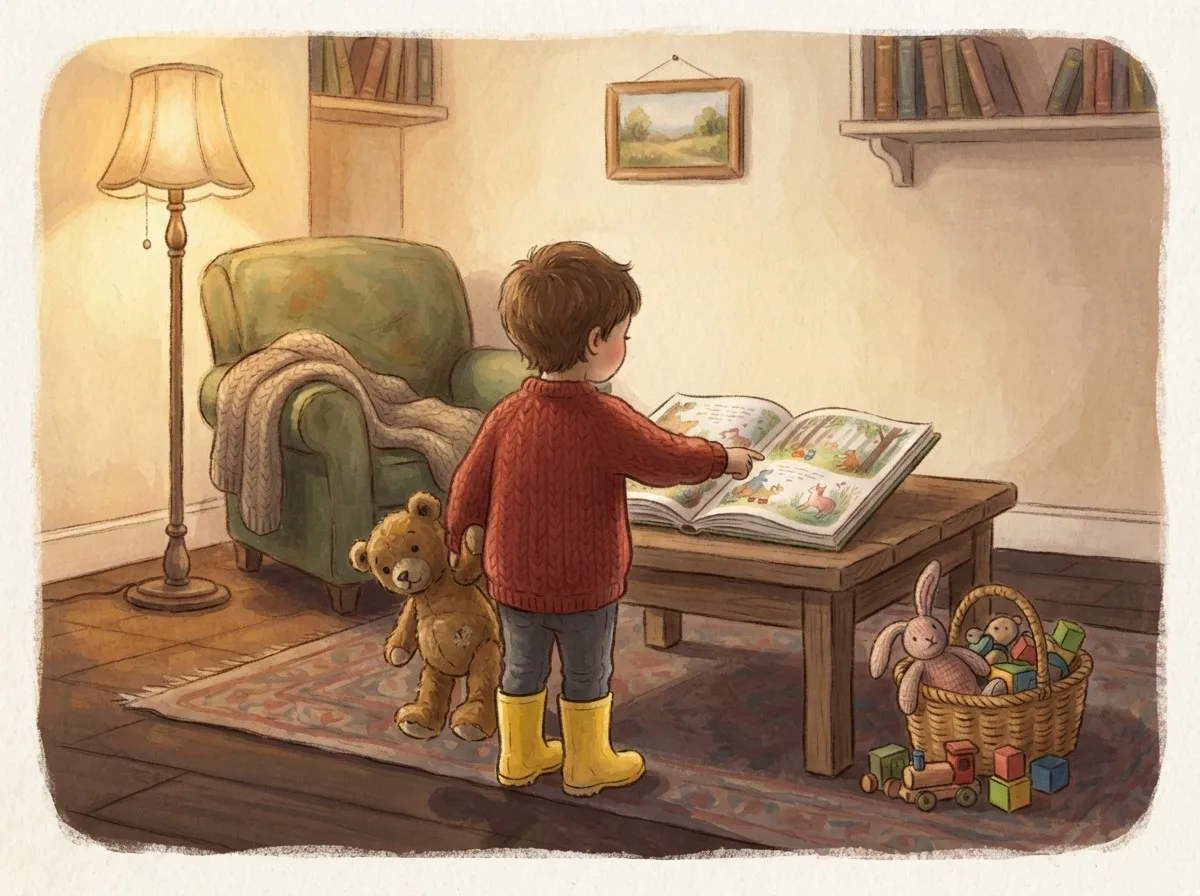
At four, a child reads the pictures before they ever read the words. They scan each page like a tiny detective, hunting for the character who looks like them. If they can’t spot that character the moment the page turns, you will feel them drift. Many parents notice this same shift: the book that works is the one where the main character appears clearly on the very first spread, wearing a familiar jumper or holding a familiar toy, so recognition lands before the first sentence is even finished.
Four year olds also crave repetition. Not the bored, adult kind. The deep, satisfied kind where they know what’s coming and get to say it out loud before you do. A story that circles back to a phrase or a pattern gives them a job, and at this age, having a job in a book is pure joy.
The three ingredients that hold a four year old
- Instant recognition. The main character must appear fast and look unmistakably like them. A photo-upload that shapes the illustrations makes this possible.
- A clear, simple job. The character should be doing something the child understands: searching, helping, building, finding their mittens. No complicated quests yet.
- A satisfying pattern. A repeated line or a predictable rhythm lets them join in. Joining in is what turns a one-time read into a book they carry to bed every night.
When those three things click, the book becomes part of their routine. And a book in the routine is a book that gets reread until the pages are soft.
How long should a book for four year olds actually be?
A four year old’s attention span is a fickle thing. Too many pages and they’ll start flipping ahead. Too few and the story feels like a blink. Many parents find the sweet spot sits around 20 to 24 pages, spread over about a dozen openings. At that length, you can hold a simple plot without losing a wriggly listener.
Page count matters, but pacing is what keeps the book on the lap. At four, tension can be a missing mitten, a parcel that hums, or a bedtime routine that winds down. The story should move forward with a soft, predictable rhythm, a problem small enough to be solved in three turns of the page. Any worried moment needs its resolution on the very next spread, before the feeling grows too large.
Familiar story shapes work best. A circular journey that ends where it started. A repeating phrase the child can chant. A gentle surprise revealed at just the right moment. Goodnight, Little Moon follows a soothing goodnight ritual that never varies. The Birthday Parcel That Hummed unwraps a small mystery over a handful of pages, long enough to build curiosity but short enough to keep impatience at bay. These shapes give a four year old the pleasure of knowing what comes next, and that’s the secret of a book they’ll reread.
Make the personal bits work harder than a name on the cover
A name printed once on the cover makes the gift feel chosen. But a four year old rereads a book because they are inside it, on every page, in a way that feels true to their small world.
The details that earn rereadings are the ones a parent would use to describe their child to someone who’s never met them. The toy they sleep with every night. The pet that follows them from room to room. The yellow wellies they refuse to take off. When those specifics appear in the story text and the illustrations, the child’s recognition is instant. They don’t see a character with their name; they see themselves.
Most personalised books stop at the name. CubFable lets you enter the details that matter, and because you upload a photo, the illustrated child actually looks like yours. The bedtime character holding the familiar teddy is not any child. It’s your child. That difference pulls a four year old back to the book six nights in a row.
If the child has a favourite toy, pick a story where that object can become part of the plot. If they have a pet, a story like The Puppy With No Name Yet lets the pet step into the pages alongside them. The small specifics don’t just decorate the book. They make the story feel like it happened already, in your own home. That feeling is what keeps it by the pillow.
When you browse the story ideas, look for the ones that invite you to add a toy, a pet, or a familiar place. A story that knows your child’s details is a story they’ll treat as their own.
Good times to give one, and the story types that fit
Some moments carry just enough newness that a story can steady things. A birthday, a first morning at school, a potty that glows in the dark. A personalised book slips into those moments like a friend who already knows the child’s world. When you browse the story ideas, you will find collections shaped around each of these milestones, with the child’s own details woven in from the very first page.
- Birthdays. The Birthday Parcel That Hummed (ages 2 to 4) turns a small mystery into a morning ritual, while The Cake Only You Can Bake (ages 5 to 7) makes the birthday child the hero of the kitchen. The birthday collection offers a whole shelf of once-a-year adventures.
- Christmas. A story like The Lantern That Wouldn't Light (ages 5 to 7) carries a soft festive warmth without being tied to a single date. The Christmas collection holds stories many parents find their child pulls out again in July.
- New sibling. Becoming a big brother or sister is its own wobble. The new sibling collection gives the child a story where their own name appears alongside the baby’s, making room for every feeling.
- Starting school. The Peg That Knew Your Name (ages 4 to 6) and The Second-Newest Kid (ages 4 to 6) each turn the school corridor into a friendlier place, with the child’s own face on the page.
- Moving house. The Box Nobody Packed (ages 6 to 9) follows familiar objects into a new room, while the moving-home collection includes gentler reads for younger movers.
- Potty training. The Potty With a Bell Inside (ages 2 to 4) hands the child a small victory each time they sit down, told with their own name and grin.
Where CubFable fits into the choice
The CubFable process keeps the choosing simple. You pick a story idea from the full catalogue, then enter your child’s first name, a handful of everyday details—the teddy they sleep with, the sound the doorbell makes, the park gate they know—and upload a photo. The story text is generated using those details, and you see it before anyone draws a single illustration. You can read through, make sure every mention feels right, and ask for adjustments if something doesn’t sound like your child.
Only after you approve the words do the illustrations begin, drawn with your child’s photo as a reference so the character on the page looks like them. Many parents find that a four year old spots their own curly hair or gap-toothed smile straight away and treats the book as theirs. When you are happy with the finished book, it is printed, bound and posted to your door. Or you can open it on screen straight away, which is useful when the book is a last-minute idea.
That extra step—the approval before the art—means the story is not just a name dropped into a template. The details you enter shape the world the child steps into, and you get to check those details before they become permanent. The result is a book that feels as though it was written for one particular child, because it was. By the time it arrives, the child sees their own name, their own toy, and a face they recognise. That recognition is what makes a four year old pull it from the shelf again and again.
Frequently asked questions
What makes personalised books for 4 year olds different from a standard picture book?
They put the child inside the story rather than just on the cover. A strong personalised book uses their photo, name, toy or pet in the text and illustrations, so a four year old recognises themselves on the first page. That quick recognition is what turns a polite read into a book they carry to bed every night.
How long should a personalised story for a four year old be?
Around 20 to 24 pages works well for a four year old. At that length you can hold a simple plot without losing a wriggly listener. Pacing matters more than page count. A small problem, a repeating phrase and a quick resolution keep the child joining in rather than flipping ahead.
When is a good time to give a personalised book to a four year old?
Birthdays, starting school, Christmas, a new sibling, potty training or a house move are all good moments. A personalised book can make a new experience feel friendlier because the child sees their own face, name and familiar details in the story. Many parents also give one just to strengthen a bedtime routine.
Make one for your own little hero
Pick a story idea, add your child, and we print and post the finished book.
Browse story ideasKeep reading
Personalised books for 5 year old girls that she'll read until the spine goes soft
A story where the heroine has her name, her face and her own quiet courage is the one she reaches for night after night, long after the plastic toys are forgotten.
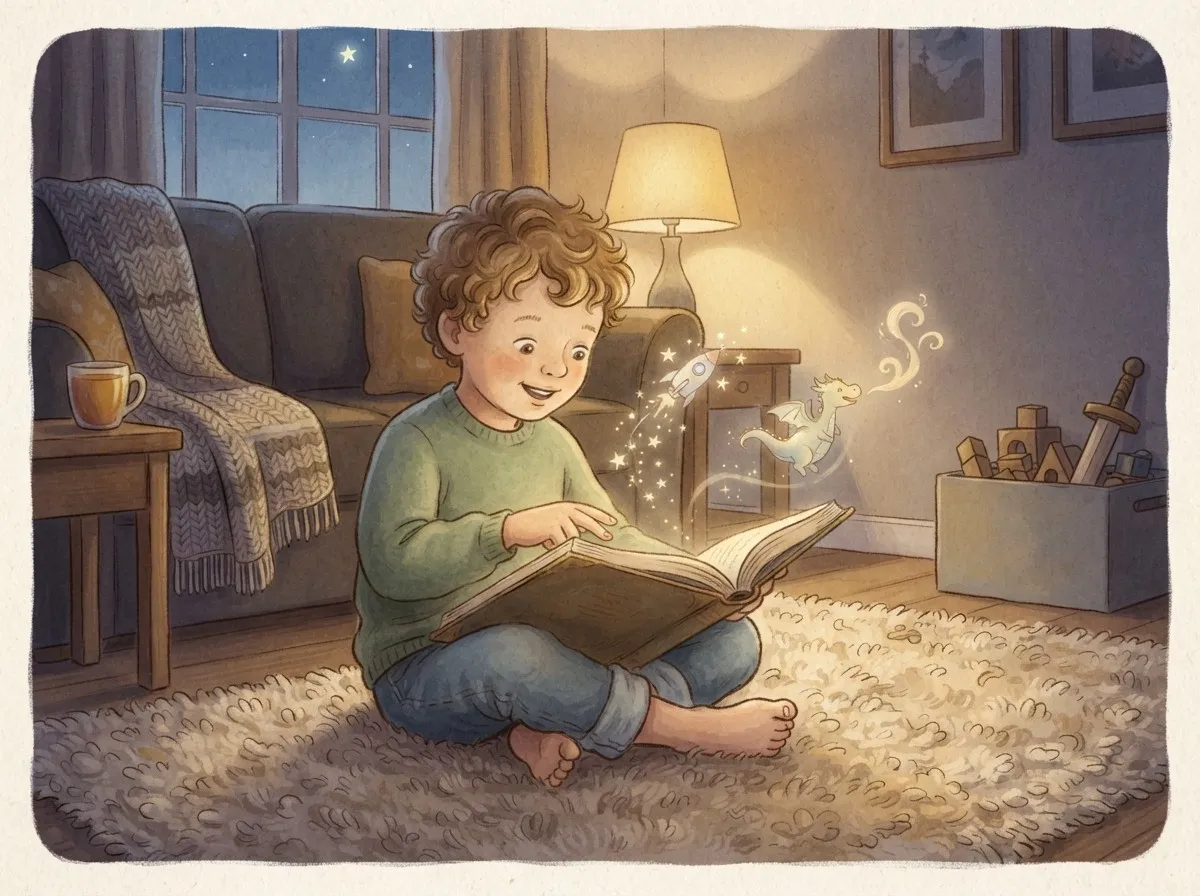
Personalised Books for 5 Year Old Boys: A Guide to Stories That Get Read Twice
To find personalised books for 5 year old boys that become bedtime favourites, look for stories that give him a real mission, with his own name and face inside.
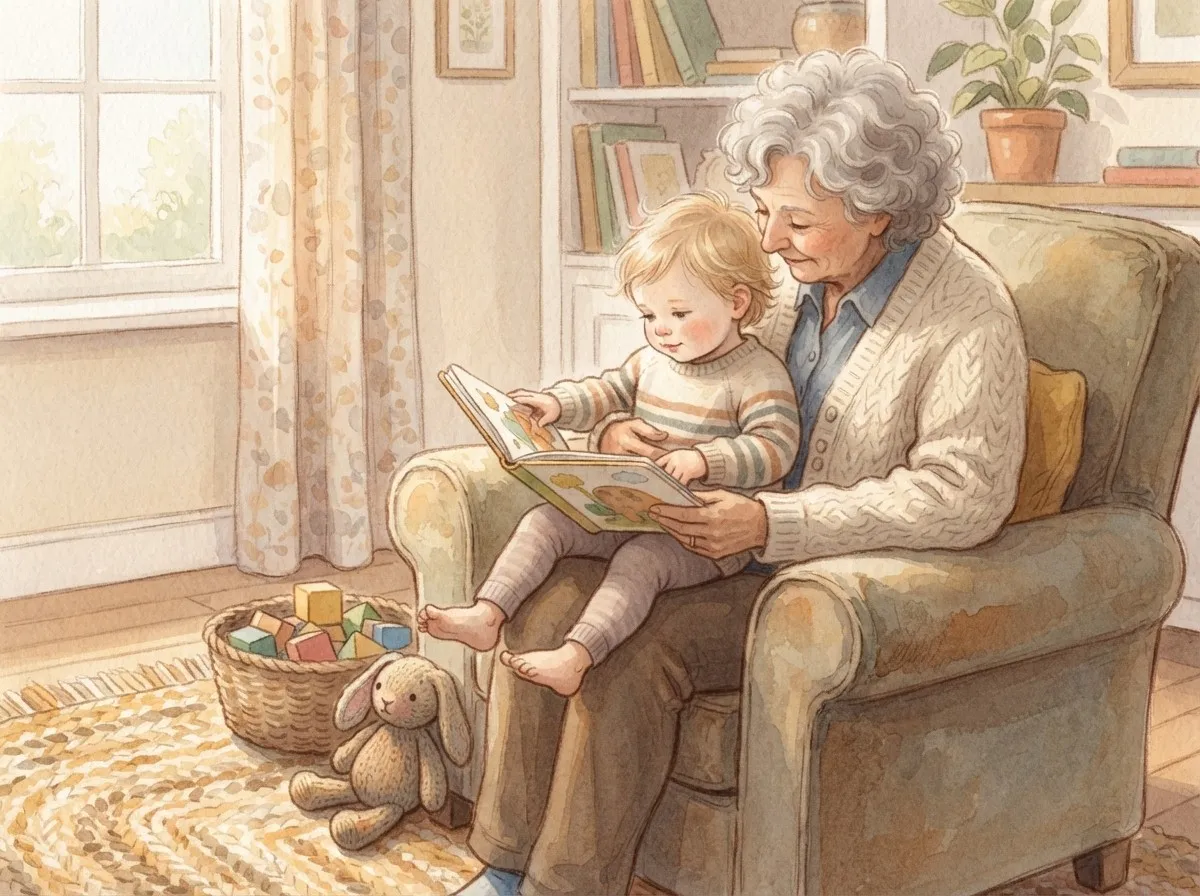
Personalised books for 1 year olds: what actually holds a baby’s gaze
A one-year-old needs faces, rhythm and familiar things more than plot, and the right personalised book can grow with them past the first candle.