
The best personalised new baby gifts wait until they can open the story themselves
A newborn grows out of a sleepsuit in a Wednesday, but a personalised book that waits until the child recognises their own name becomes part of childhood.
Shops cheerfully call them “personalised new baby gifts”, but anyone who has cradled a newborn knows the truth: a three-week-old needs very little beyond warmth, milk and someone who smells familiar. The moment for a gift that truly lands often arrives two or three years later, when the child hears their own name and realises the story is about them.
Why the best baby gift often waits until they can open it
A newborn grows out of a 0–3 month sleepsuit in what feels like a Wednesday. Those tiny embroidered blankets and engraved rattles are beautiful, but their window is vanishingly short. Ask most parents where the keepsake box is, and they will admit it is still in the wardrobe. The gifts that stick around are the ones a child grows into, not out of.
Many parents find that around age two, a child begins to recognise their own face in a photograph. Shortly after, they spot their name. That is when a personalised gift shifts from a parent’s pleasure to the child’s own discovery. A book where the main character shares their name, their hair colour and even a favourite teddy becomes a small, private thrill. They open it again at three and memorise the rhythm. They open it at five and read the caption under their own face. By seven, the same book sits on their shelf as the story they have always known was theirs.
A newborn cannot do any of that. But a baby gift that waits, that is designed for ages two to ten, bridges the gap between “something for the nursery” and “something that becomes part of childhood”. It arrives when it was always meant to: the first time they open it themselves.
A name they’ll answer to, not just one printed on a blanket
A monogrammed blanket announces ownership to the adults in the room. The child rarely notices. What a two-year-old does notice, with sudden and visible delight, is their own name appearing in a story where they are the main character. Not “a” Sophie. Their Sophie, with the same curls and the same habit of lining up shoes by the back door.
That shift matters. When a child spots themselves inside a book, they do not see a gift. They see proof that stories include people like them. A character who shares their hair colour, their favourite red wellies, or the name of their own cat stops being a drawing on a page. It becomes someone they know intimately.
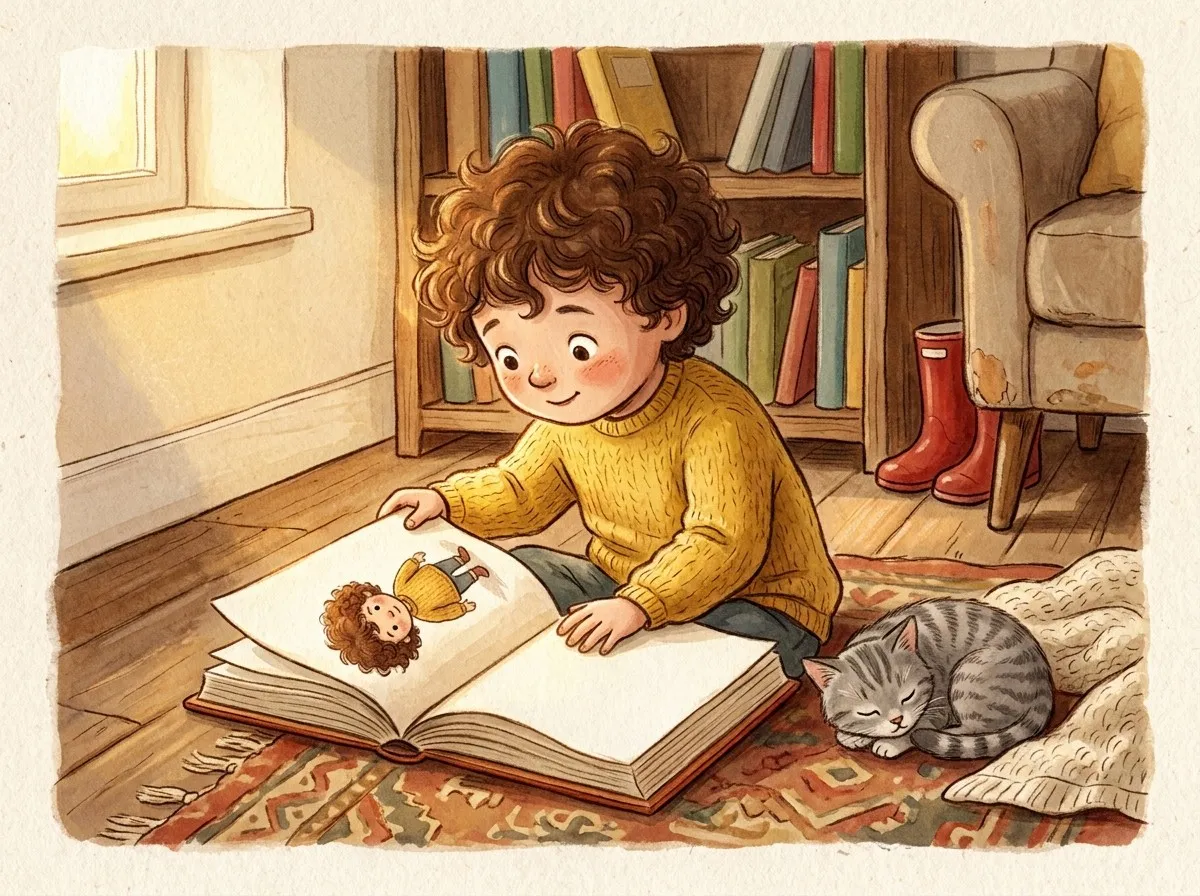
Parents watch this happen. They describe a toddler pressing a finger to the illustrated face and whispering “me.” A four-year-old who insists on the same story every bedtime for three weeks, not because they cannot move on, but because they are still mining the pleasure of being central to something. A six-year-old who reads the words under their own picture and looks up, briefly, to check that someone else has noticed too.
This is different from owning an object with initials on it. Initials are a marker of possession. A name inside a story is an invitation. When you browse the story ideas and choose one that fits a child’s age, you are not just printing a name on a cover. You are handing a child the simplest, oldest pleasure in reading: the quiet certainty that this was written for them.
Picking a story that fits the child, not just the occasion
A two-year-old’s world is ruled by very specific fascinations. One week it is diggers. The next, snails. A personalised gift lands differently when it nods to those tiny, ever-shifting obsessions instead of treating “new baby” as the only theme that matters. Matching a story to a toddler’s current passion makes the book feel like it was eavesdropping on the sandpit.
If the child drags a yellow excavator everywhere, a story like The Very Busy Digger turns a generic construction vehicle into their very own machine, wearing their name across the door. For a toddler who crouches in the flower bed to watch ants, The Garden’s Tiny Parade fills every page with the creatures they already chatter about. At bedtime, a story built around a familiar routine, such as Goodnight, Little Moon, often becomes the one they refuse to swap, because the moon says goodnight to them by name. These story ideas sit in collections like things that go, garden adventures and bedtime calm, so you can start with what the child already loves.
The ages of two to four are a sweet spot. A book that arrived when they were a newborn may have lived on a shelf for a year, but it suddenly makes sense the moment they realise the little figure with their hair is supposed to be them. Many parents describe a book received at birth quietly becoming the favourite bedtime ritual around age two and a half, as the rhythm and recognition click into place. By four, they “read” the pictures back to you, reciting lines they have memorised because the story is about them.
Because you see the text before any illustration is drawn, you can check that the details, the name spelling, the favourite teddy, feel right. The story is printed and posted once you are happy, or you can share it on screen straight away. A toddler does not know you chose the theme months after the baby shower. They only know that the book already knew what they loved.
When a face in the book looks back at them
A child who finds their name in a story is intrigued. A child who finds their own face on every page is riveted. The shift happens the moment the illustrated figure has their particular curve of a cheek, the fringe that never lies flat, the favourite yellow T-shirt. It stops being a character and becomes them. Many parents report that this is the point when a book moves from occasional bedtime pick to permanent rotation: the story has been claimed.
You see this most vividly in the adventure and fantasy stories. A child dropped into Dragon School’s Kindest Flame as the main dragonette, their own eyes looking out from under a tiny horned crest, doesn’t just follow the plot. They bring a personal stake to every choice the character makes, because it is visibly, unmistakably them. In Captain Coral and the Missing Pearl, a small swimmer who recognises their own face behind a diving mask treats the ocean quest less like make-believe and more like a memory they are building page by page. The same quiet absorption happens with older children, too, when their likeness appears in a tale like The Last Seed of Sunvale or The Clockmaker’s Secret Map. Engagement deepens not because the story gets more exciting, but because the child has already decided it is their story.
This is the reason the CubFable process puts the photo step in your hands. You upload a picture, you review the text before a single illustration is sketched, and only then does an artist draw the child into the world you chose. The result is a book where the hero does not merely resemble your child. It feels, to the child, as though it sat for its own portrait.
A keepsake that isn’t stored in a box
A silver keepsake box or a pair of tiny bronzed shoes tends to sit on a shelf, admired but rarely handled. A bound, printed book that a child asks for again and again does something harder: it earns its creases. The best personalised new baby gifts are the ones with a softened spine and a smudged corner from a small thumb, because that wear is proof the gift stayed in daily life.
When a child handles the same book nightly, the ritual becomes part of the story. They know which page comes next. They know the line before you read it. The book becomes less like a present and more like a belonging, the thing they reach for without thinking. A name printed under an illustration is lovely; a name said aloud hundreds of times at bedtime becomes part of the child's own soundtrack. That is what makes it more treasured than a commemorative ornament kept safely out of reach. The value is not in staying pristine. It is in being used until the cover feels soft.
The on-screen version helps at the start. You can show the child their story immediately, while the printed copy is on its way. The excitement begins now, but the keepsake grows later.
Frequently asked questions
What age is best for a personalised storybook?
The sweet spot is between two and four, when a child begins to recognise their own name and face. A book received at birth often sits untouched until around two and a half, then suddenly becomes the favourite bedtime ritual as the recognition clicks into place. It continues to work through ages five to ten as they start reading independently.
How do I pick the right story theme for a child?
Start with what currently fascinates them. A toddler who drags a digger everywhere will bond with a construction story. One who crouches to watch ants wants garden creatures. Bedtime routines suit children who need a calm, familiar book to wind down with. Browse by the child's passion rather than the occasion.
Does a personalised book make a better keepsake than an engraved gift?
A personalised book earns its creases through nightly use, which is precisely what makes it more treasured than an ornament kept on a shelf. A softened spine and a smudged corner from a small thumb are proof the gift stayed in daily life, becoming part of the child's own soundtrack rather than a boxed memento.
Make one for your own little hero
Pick a story idea, add your child, and we print and post the finished book.
Browse story ideasKeep reading
Personalised books for 5 year old girls that she'll read until the spine goes soft
A story where the heroine has her name, her face and her own quiet courage is the one she reaches for night after night, long after the plastic toys are forgotten.
Personalised Books for 5 Year Old Boys: A Guide to Stories That Get Read Twice
To find personalised books for 5 year old boys that become bedtime favourites, look for stories that give him a real mission, with his own name and face inside.
Personalised books for 1 year olds: what actually holds a baby’s gaze
A one-year-old needs faces, rhythm and familiar things more than plot, and the right personalised book can grow with them past the first candle.