

Why a Personalised Story Book with Child’s Name Feels Like Magic (And How to Create One)
When a child sees their own name on the cover of a personalised story book, the story becomes theirs before the first page, and here's how to make one.
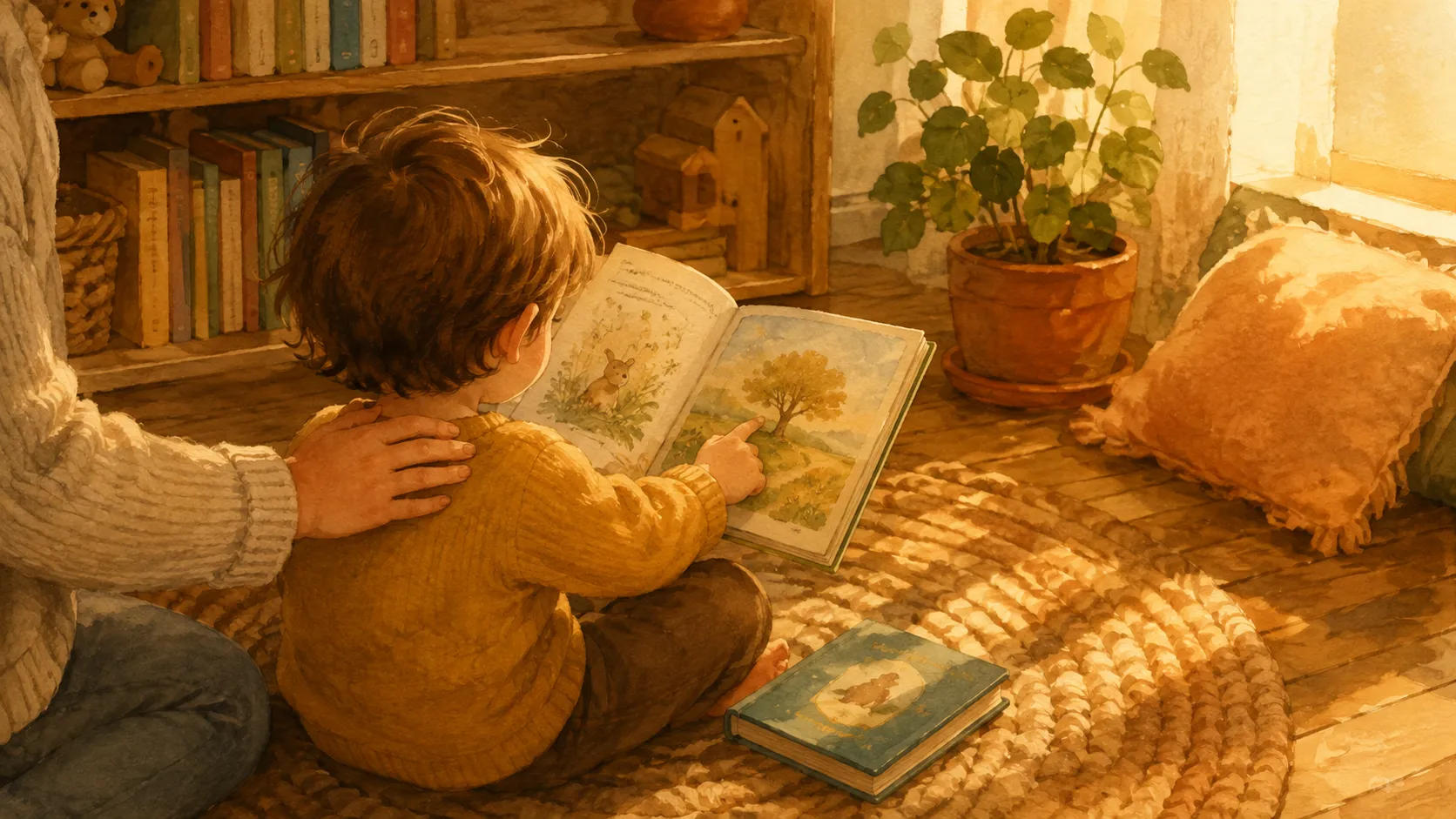
A book with a child’s name tucked into the story is lovely. But a personalised story book with childs name printed right on the cover? That lands differently. From the moment a small pair of hands pulls it off the shelf, the book stops being any story and becomes their story.
Why a name on the cover feels different
Most children hear their own name dozens of times a day, usually as a prelude to an instruction. “Jacob, put your shoes on.” Seeing it boldly lettered across a storybook is something else entirely. It says: this was made for you. No one else. For a two-year-old still grasping the boundary between self and world, or a seven-year-old who is beginning to read, that flash of recognition is magnetic. It switches on a sense of ownership before the first page is even turned.
That ownership changes how a child enters the story. When CubFable creates a book, the named child is the main character. You pick a story idea from the catalogue, enter the child’s name and details, and can upload a photo so the illustrations carry a real likeness. The result is a reading experience that feels like an event, not a routine. Many parents notice their child sits a little taller, listens a little harder, and asks for the same book again the next night, and the night after that. The familiar words become a comfort, and the cover bearing their name becomes a small badge of identity.
It is not just about vanity. Children who know a book belongs to them tend to treat it more carefully, return to it more eagerly, and invite others into it on their own terms. A personalised cover does not simply decorate the shelf. It tells the child, before a single word is read, that they are the reason this story exists.
Finding a story that actually fits the child you’re buying for
A magical title alone doesn’t guarantee a story will hold a child’s attention. The right match comes down to age, attention span and whatever real-life moment they are living right now. A three year old will sit still for about eight pages of gentle rhythm and soft reassurance. A six year old craves a problem to solve, and a nine year old wants twists that keep them turning pages past bedtime.
CubFable’s catalogue lets you filter ideas by category so you can find a story that genuinely fits. A few starting points that work:
- Bedtime – cosy, low-stakes tales that wind the day down without too much excitement
- Adventure & Fantasy – quests and far-off worlds for children ready to follow a plot with a clear beginning, middle and end
- Family, Friendship & Feelings – stories that put a name to big emotions and everyday relationships
- First Day of School – narratives that mirror a milestone a child is about to face or has just started
For a toddler who needs a calm send-off to sleep, a bedtime story like Goodnight, Little Moon is short, soothing and built for little attention spans. It doesn’t demand anything beyond snuggling in and listening. At the other end of the spectrum, a nine year old who has outgrown picture books will sink into a mystery like The Clockmaker’s Secret Map, where clues stack up and the child’s own name appears inside the riddles. Many parents find that picking a story that reflects a current stage—starting nursery, learning to share, welcoming a new sibling—makes the book feel less like entertainment and more like an ally. Browse the full catalogue of story ideas and filter by age or theme until something clicks.
What a made-to-order book actually involves, step by step
Ordering a personalised story book with a child’s name can feel like a big unknown until you see how straightforward the path really is. It breaks into a few clear stages, and at every point you stay in control.
- Pick a story idea. You browse the catalogue and choose a tale that matches the child’s age and what they are into right now, whether that is diggers, dragons or a quiet bedtime rhythm.
- Add the child’s name and details. You provide a first name (and often a nickname), then a handful of small facts—hair colour, favourite toy, something that makes them them. These details thread through the text.
- Upload a photo (optional). If you share a clear picture, the illustrator uses it to create a character with a real likeness. Skip it and the character will have a more classic, storybook look. Both work.
- Review the text. Before any illustration is drawn, you read the full story on screen. You check that the child’s name sits naturally, the tone feels right and the plot suits the child you are buying for. You approve it, and only then do the brushes come out.
- Printing and binding. Once illustrated, the book is printed, bound and posted as a proper paperback or hardback, ready to be read immediately.
Because the story is generated digitally, you can actually read it on screen the moment you finish entering the details. That shortens the wait and lets you share a sneak peek with a child who is desperate to hear about themselves.
Inside CubFable, from your screen to their bookshelf
The experience begins with a story idea that sparks something in you. CubFable offers over 20 tales, each tuned to a different age and temperament. A two year old captivated by diggers might love The Very Busy Digger; a five year old dreaming of space suits will gravitate towards Rocket Rescue on Planet Blue; an eight year old who inhales fantasy chapter books might choose The Library Between Worlds.
You enter the child’s first name — the name that appears throughout the text as the main character. A few small details follow: perhaps hair colour, a much-loved soft toy, a nickname only family uses. You can also upload a photo. The illustrator uses it to draw a character with a real resemblance, so the child sees themselves turning the pages.
Before any brush touches paper, you read the full story text on screen. You check that the name sits naturally in every sentence and that the plot suits the child you have in mind. You approve it, and only then does the illustration work begin. This is the moment the book becomes uniquely theirs.
Once the artwork is complete, the book is printed, bound and posted — a proper paperback or hardback that arrives ready for a shelf. You can also read the finished book on any device straight away, which is handy if a grandchild lives across the country and you want to share it over a video call.
The entire site works in eight languages, so the book can arrive in the language your family actually speaks at home. And because the story ideas span from around age two to age ten, the gift stretches well beyond a single birthday. You can see how each book is made and sent, from approval to your door.
Making the book part of a bigger moment, not just another gift
A personalised story book with child’s name can hold a morning, not just a spot on a shelf. Instead of adding it to a pile of parcels, build a small ritual around it. If you chose The Very Busy Digger, wrap it alongside a chunky toy digger. The moment the paper falls away, the child has a character to hold and a story to step into.
Birthday mornings are made for this. Clear the breakfast plates, keep the other gifts waiting and read the first chapter together on the sofa. A three year old will sit still for about eight pages, especially when they recognise their own name shining back from every spread. That quiet quarter-hour often becomes the memory that outlasts the cake.
A grandparent who lives far away can still be part of it. Ask them to record a short video message that you play just before the first reading. Something as simple as “Nana can’t wait to hear about your adventure” turns a parcel into a conversation across the miles. Parents sometimes tuck the recording inside the front cover so the child can return to it.
Long after plastic toys snap and jigsaws lose their pieces, a book that stars the child tends to stay. Many families find it migrates from the playroom to a memory box, kept for the day that grown-up hands pull it out and smile. If you are building a birthday morning around the book, browse the birthday story ideas for tales woven especially for that once-a-year feeling.
Frequently asked questions
How does a personalised story book with my child's name work?
You pick a story from a catalogue, enter your child's first name and a few details like hair colour or favourite toy, then optionally upload a photo. The child becomes the main character in the text and illustrations. You review the full story on screen before it's printed and posted.
What age is a personalised story book with childs name suitable for?
Books are available for children aged roughly two to ten. Toddlers love short, soothing bedtime tales that name them, while older children enjoy longer adventures with puzzles and quests where their name appears in the plot. You choose a story matched to the child's real attention span.
Make one for your own little hero
Pick a story idea, add your child, and we print and post the finished book.
Browse story ideasKeep reading
Personalised books for 5 year old girls that she'll read until the spine goes soft
A story where the heroine has her name, her face and her own quiet courage is the one she reaches for night after night, long after the plastic toys are forgotten.
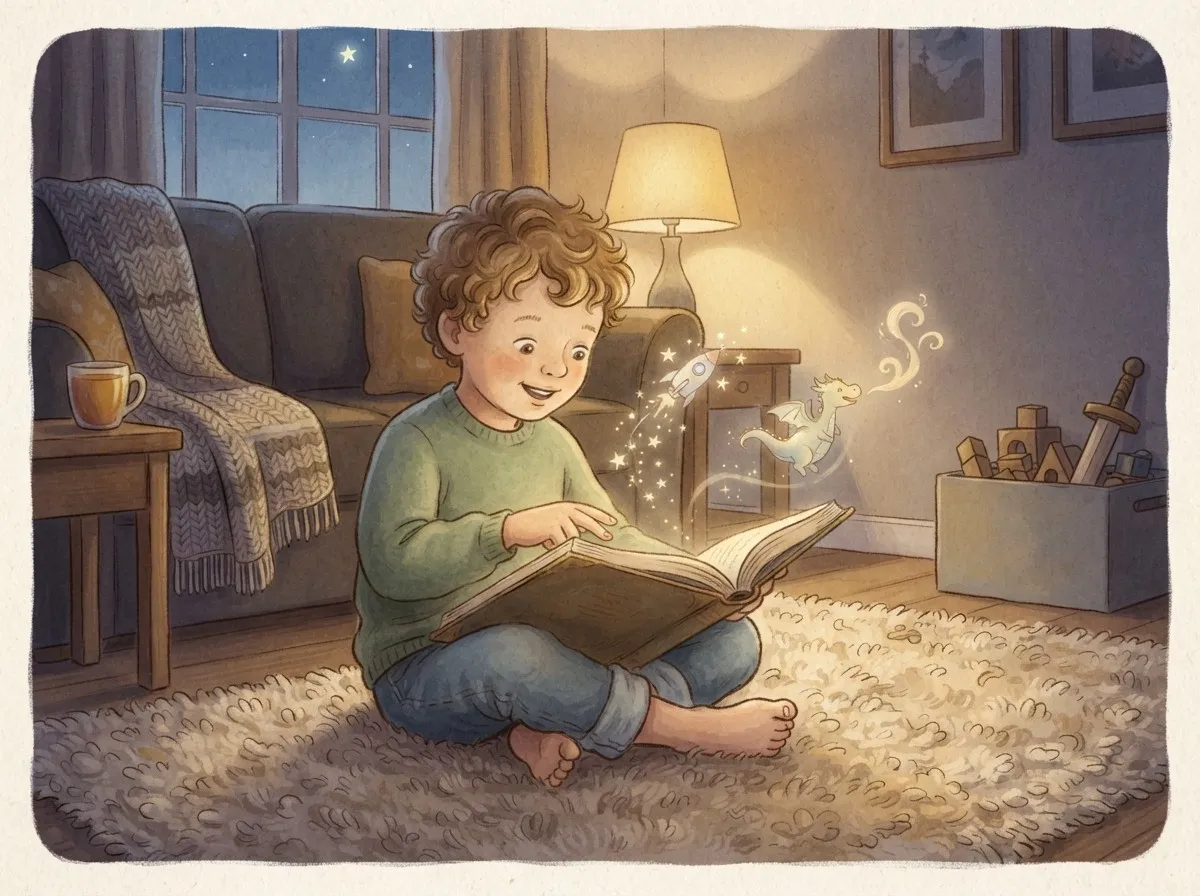
Personalised Books for 5 Year Old Boys: A Guide to Stories That Get Read Twice
To find personalised books for 5 year old boys that become bedtime favourites, look for stories that give him a real mission, with his own name and face inside.
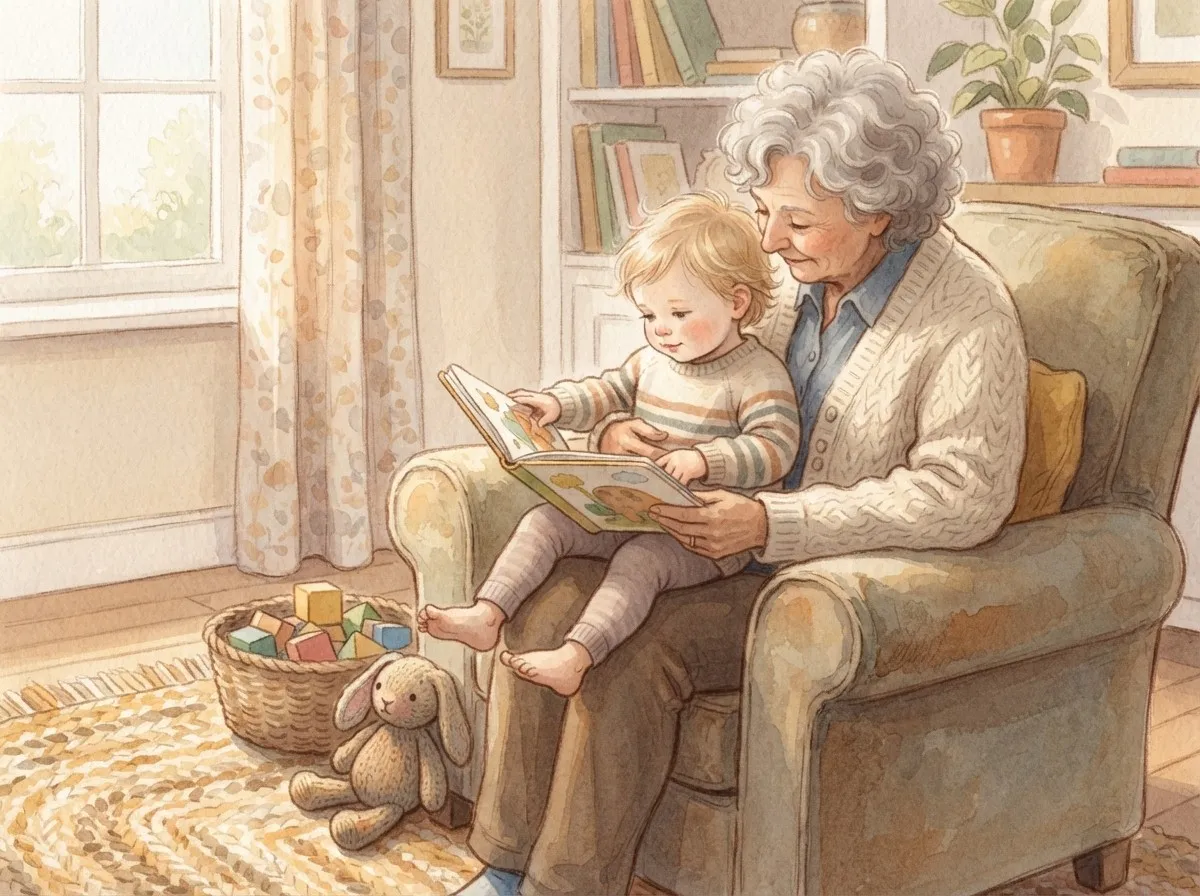
Personalised books for 1 year olds: what actually holds a baby’s gaze
A one-year-old needs faces, rhythm and familiar things more than plot, and the right personalised book can grow with them past the first candle.