

Why Children Love Hearing Their Own Name in Stories
Learn how hearing their own name turns storytime into a grounding, personal adventure that captures attention and builds quiet confidence.
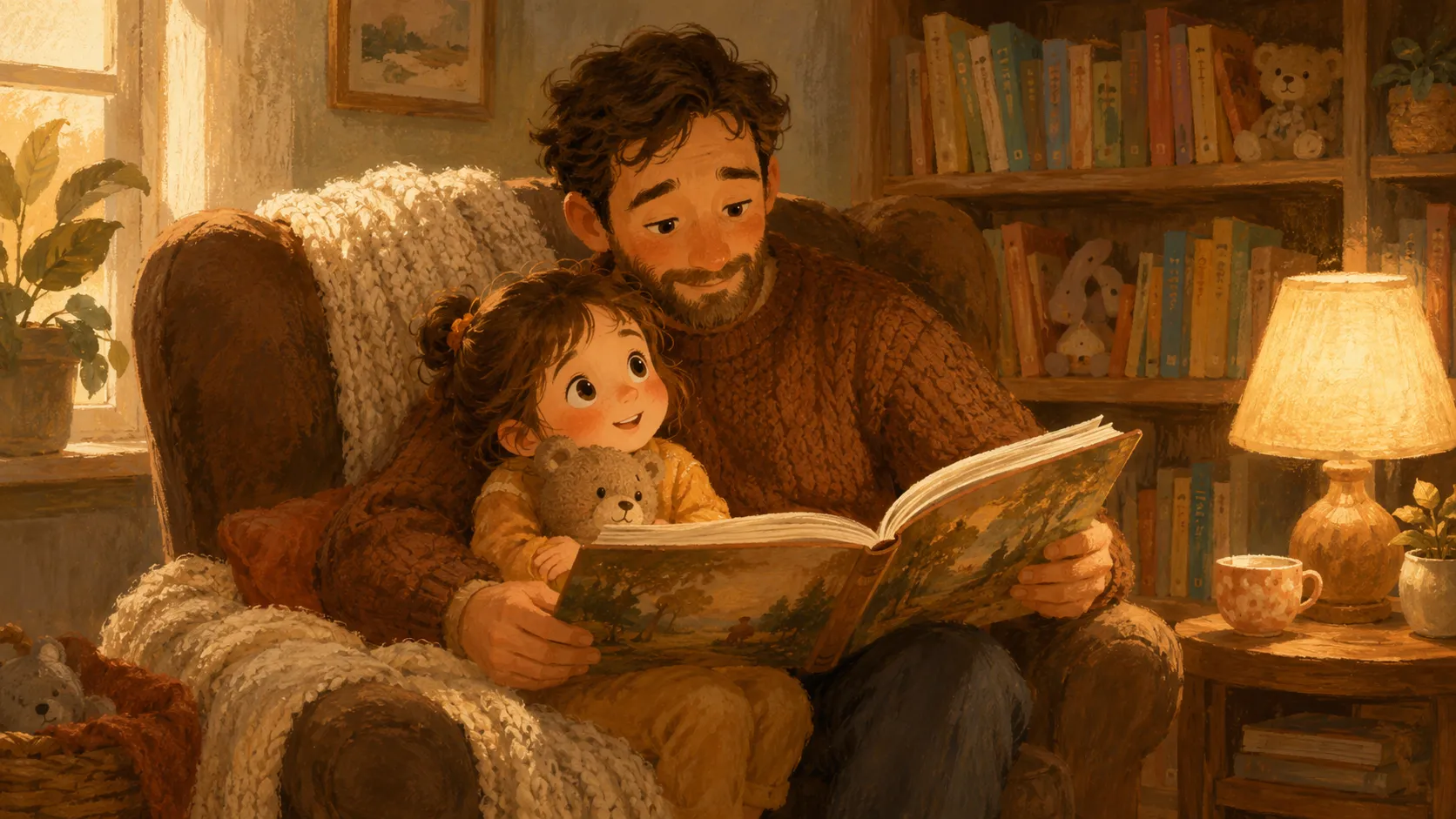
Finding a gift that genuinely holds a child's attention for more than five minutes can feel tricky. Understanding why children love hearing their own name reveals how simple it is to turn ordinary storytime into something unforgettable.
What happens when a child hears their name
Watch a three year old playing across the room when someone softly says their name. Their head turns instantly, their eyes light up, and their attention locks onto you. To a young child, their name is not just a word. It is the very first piece of identity they own, carrying a deep sense of safety, excitement and recognition.
When that name appears in a book, an immediate emotional spark occurs. Many parents find that a child's eyes widen the moment they realise the hero shares their name. The story stops being a distant tale about someone else and suddenly becomes an active personal adventure.
This sudden recognition changes how a child listens. Instead of passively looking at illustrations, they lean in closer to the pages. Whether they are settling down with a bedtime story like Goodnight, Little Moon or exploring a personalised storybook, hearing their name creates a direct emotional connection. It tells them that this book was made especially for them, sparking a feeling of warmth and pride that makes storytime feel truly magical.
Why names build focus and quiet attention
Children live in a world filled with constant noise, from buzzing televisions to background chatter. Their young brains spend endless energy deciding what to ignore and what to notice. A child's own name acts as a reliable auditory anchor, instantly cutting through ambient distraction and drawing their focus straight back to you.
When you read a story that includes your child's name, that anchor drops every few pages. Many parents find that a fidgety four year old who usually wriggles off the sofa will suddenly sit still the moment their name appears in the sentence. It resets their attention naturally without you having to ask them to settle down.
This auditory anchor is especially helpful at the end of a busy day. During evening routines, listening to a quiet bedtime tale like The Torch Under the Pillow gives a toddler a familiar sound to hold onto. Hearing their name interwoven with the narrative turns listening into a calm, grounding experience.
If you are trying to help a young reader build longer attention spans, exploring bedtime story ideas centered on your child makes storytime feel effortless. The sound of their name grounds them in the present moment, creating the quiet focus needed to enjoy every page.
How hearing their name builds confidence and identity
When a child hears their name woven into a story, it does far more than capture their focus. It signals that their choices, courage and feelings genuinely matter. For a young child still figuring out their place in a big world, hearing themselves named as the central hero builds a strong sense of self-worth.
Many parents find that hearing their name paired with brave or caring acts helps a child internalise those qualities. Whether they are lending a hand in The Biggest Little Helper or guiding friends in The Lantern in Whispering Wood, the narrative places them right at the heart of the action. They are not merely watching positive traits from the sidelines. They are living them.
Creating this feeling of being uniquely valued is simple with personalised books. When you browse the story ideas on CubFable, you can pick a narrative, enter your child's name, and upload a photo so the illustrations match their likeness. You can read and approve the full text before any drawing begins, ensuring every word feels right for your family.
When you read the story together on screen or hold the printed book in your hands, your child hears their name celebrated on every page. That quiet reassurance helps them feel cherished, secure and confident in who they are.
Simple ways to use a child's name at storytime
You do not need a special occasion to make a child the star of storytime. Simple adjustments to your everyday reading routine can bring their name naturally into quiet moments, whether you are snuggled on the sofa with a toddler or reading to a primary school child.
Easy ways to weave in their name
- Swap character names: When reading standard picture books, try replacing a background character or the main hero with your child's name. A story about searching for missing mittens quickly becomes their personal mission.
- Ask direct questions: Before turning a page, pause and use their name to ask what might happen next. Saying "What should Noah do now?" instantly pulls a wandering mind back to the page.
- Add a personalized bedtime ending: As a book finishes, wind down by weaving their name into the final lines. Wish them a good night alongside the characters in the story.
If you prefer a seamless option, browsing story ideas for a personalised book makes this routine effortless. With CubFable, your child becomes the main character in the narrative. You simply pick an idea, type in their details, and upload a photo so the illustrations look just like them. You get to read and approve the text on screen straight away before the finished book is printed and bound.
Whether you are exploring The Garden's Tiny Parade with a two year old or embarking on The Clockmaker's Secret Map with a ten year old, using their name changes reading from a passive activity into a warm, interactive conversation. Many parents find these gentle habits help turn ordinary storytimes into cherished daily rituals.
Turning a name into a personal book with CubFable
Transforming a child's name into a printed keepsake is a simple, thoughtful process. With CubFable, every personalised storybook places your child directly at the centre of the adventure as the main character. The stories cater to children roughly between the ages of 2 and 10, turning reading routines into memorable personal experiences.
To create a book, you start by exploring the catalogue of story ideas to find a theme that matches your child's interests. After entering their name and details, you can upload a photo so the illustrations are drawn to look like them. The full story text is shown to you for approval on screen before any artwork is drawn, giving you complete confidence in what you will receive.
Once generated, the story can be read on screen straight away. The finished book is then printed, bound and posted directly to your home. Whether you pick a soothing bedtime narrative like Goodnight, Little Moon or an ocean quest like Captain Coral and the Missing Pearl, seeing their own name printed on every page makes storytime feel uniquely special.
Frequently asked questions
Why does hearing their name help a child focus on a story?
Hearing their name acts as a powerful auditory anchor that instantly cuts through background noise and redirects a young child's focus. When woven into a storybook, their name resets their attention every few pages, helping fidgety toddlers sit still and listen naturally without nagging.
At what age do children start recognizing their name in books?
Most children begin recognising the spoken sound of their name around six months old, but understanding it written inside a book usually takes off between ages two and three. By this stage, hearing their name in a story creates an instant emotional spark and turns reading into a personal adventure.
Make one for your own little hero
Pick a story idea, add your child, and we print and post the finished book.
Browse story ideasKeep reading
Personalised books for 5 year old girls that she'll read until the spine goes soft
A story where the heroine has her name, her face and her own quiet courage is the one she reaches for night after night, long after the plastic toys are forgotten.
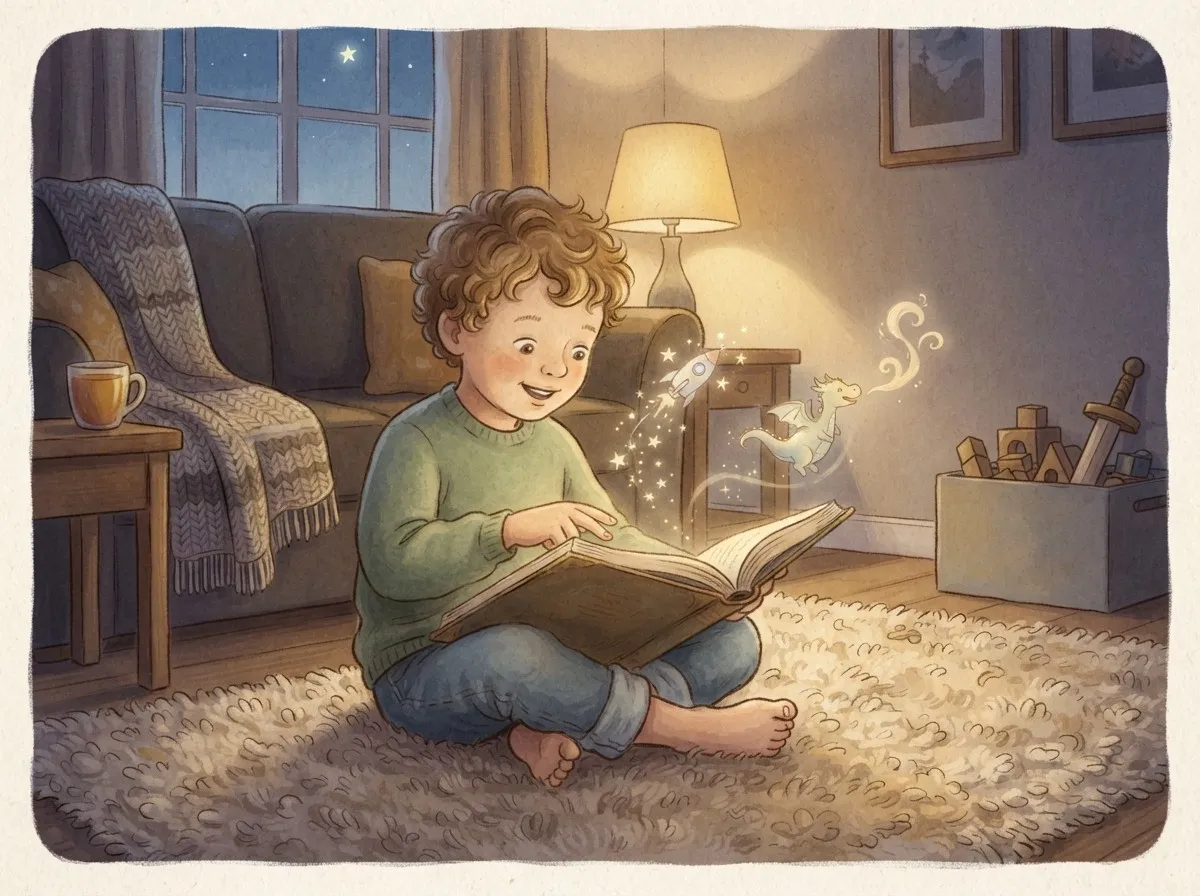
Personalised Books for 5 Year Old Boys: A Guide to Stories That Get Read Twice
To find personalised books for 5 year old boys that become bedtime favourites, look for stories that give him a real mission, with his own name and face inside.
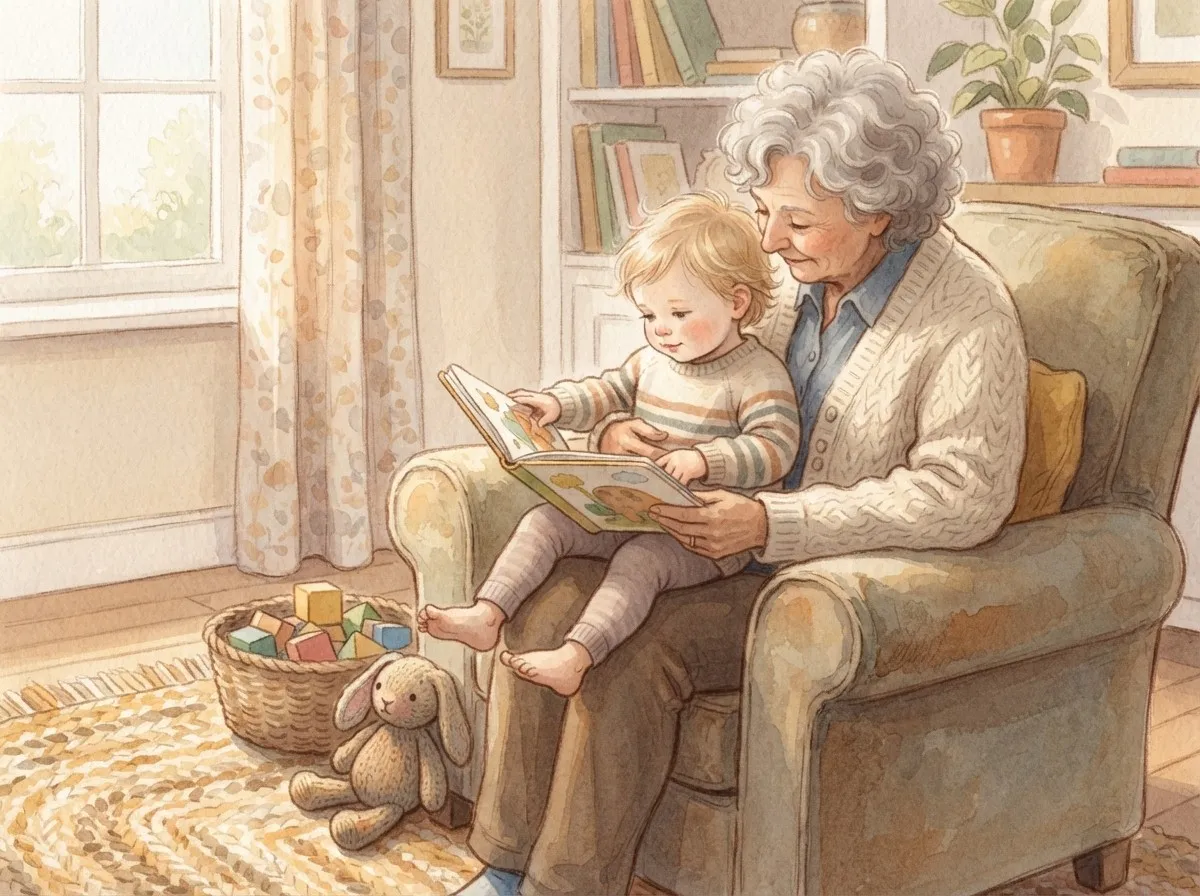
Personalised books for 1 year olds: what actually holds a baby’s gaze
A one-year-old needs faces, rhythm and familiar things more than plot, and the right personalised book can grow with them past the first candle.