Make Your Own Children's Book Without Facing a Blank Page
Make your own childrens book with CubFable by shaping a ready-made story around one child, with a name, a photo and the details only you know.
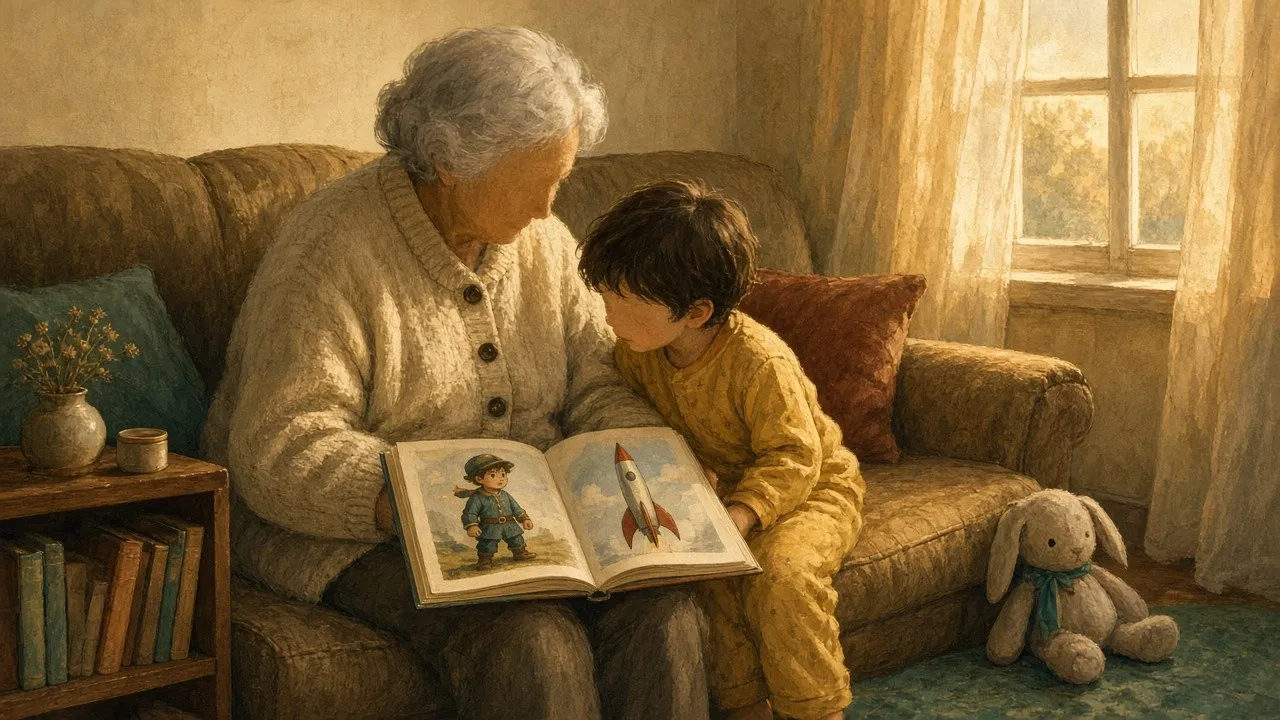
You want to make your own childrens book, but you do not want to face a blank page in the week before a birthday. Making a children’s book here does not mean writing from scratch. It means shaping a finished story around the child you already know.
You’re not just buying a book – you’re finishing a story
With CubFable, you begin by choosing a ready-made story idea, such as Goodnight, Little Moon for a toddler or Rocket Rescue on Planet Blue for a five-year-old. You can browse the story ideas to find a framework that fits. Then you type in the child’s name and details, and you can upload a photo so the illustrations look like them. You are not writing from zero. You are putting one particular child at the centre of an existing story.
That distinction matters. A blank page asks you to invent a world, a rhythm and an ending. CubFable gives you the framework: the story exists, the beats are in place, and your job is to make it theirs. You pick the idea, personalise the hero, and approve the story text before any illustration is drawn. Many parents find this turns a gift into a small co-creation rather than a shopping task.
The result is a printed, bound book, posted to you, with the child’s name and likeness inside a real story. It is not a practice story you wrote after bedtime. Many parents find it becomes the book that stays on the shelf after the toys are gone, a small heirloom.
How to pick a story they’ll ask for again and again
The best starting point sits across the breakfast table. What does your child talk about when nobody has asked them a question? The digger that beeps outside the window, the family of dragons they invented, the stars they insist on naming before bed. That present fixation is your compass.
A story that mirrors their current world feels, to them, like it was made just for them. If you have a toddler who stops for every bulldozer, a story about big machines like The Very Busy Digger will land. The book is short, bold and built for a 2-to-4-year-old’s attention span. If you have a 6-year-old dragon fan, Dragon School’s Kindest Flame gives them a kind young hero inside a longer narrative they can follow over several bedtimes. Add their name and a photo, and the book becomes unmistakably theirs.
Age matters as much as topic. A three-year-old will sit still for about eight pages. A seven-year-old can hold a quest across thirty. CubFable pairs every story idea with a recommended age range, so the page count, sentence rhythm and pace already match the child who will listen. You do not have to second-guess whether a plot is too thin or too long.
You know your child better than any catalogue ever could. Choose the theme they return to without prompting. That is the story they will pull from the shelf again, and the one you will enjoy reading aloud because it connects to them right now.
The details that turn ink into a friend
Putting a name on the cover is where it starts. But what makes a child stop mid-page and whisper “that’s me” is the accumulation of small, specific truths. The gap in their teeth. The way their hair curls behind one ear. The scruffy toy rabbit they drag everywhere by one ear.
When you create a book through CubFable, you are not just typing a name into a field. You are adding the details only you know. The colour of their wellies. The name of their favourite bedtime toy. A private nickname that makes them grin when they hear it. These are not decoration. They are proof that the story was built around a real child, not a catalogue child.
The photo upload does the heaviest lifting. You send a picture, and that photograph guides the illustrations so the character on the page shares your child’s face shape, skin tone, hairstyle and even the way they smile. When a child sees a painted version of themselves steering a rocket or feeding a dragon, the boundary between story and self softens. They are not watching a hero. They are the hero.
You also get the option to add a dedication. It might be a sentence you have said a hundred times at bedtime, or a quiet wish you have never said aloud. That line sits on the first page, waiting for them to discover it. Many parents find it is the dedication, not the story, that catches in their throat when they read it together.
These details work because they say something a shop-bought book cannot: I see you. Not a generic child who likes space. You, with your wonky fringe and your tiger slippers and the stuffed octopus called Kevin. That recognition is what turns a printed story into a companion.
A quick look inside CubFable’s workshop
The process is designed to feel like you are quietly assembling something precious, not filling in a form. You start by choosing a story idea from a browseable catalogue organised by occasion and age. The Quilt That Waited for a five-year-old who holds onto family rituals. Rocket Rescue on Planet Blue for a seven-year-old who sleeps under a glow-in-the-dark solar system. The range runs from two-page toddler tales to richer narratives for ten-year-olds.
Once you have picked, you add the child’s details: first name, a few known quirks, the stuffed toy that must appear. Then you upload a photograph. That single image teaches the illustration style what makes your child’s face unique. The machine does its work, but the real check follows: before a single sketch is drawn, you see the story text and approve it. You can read every sentence, tweak the spelling of a nickname, and make sure the tone fits the child who will hear it. Illustration only begins after you say yes.
When the book is ready, it is printed, bound and posted to you. You do not have to wait for the parcel, though. The finished story appears on screen as soon as it is generated, so a child can bounce on the sofa and read it with you right there. The website itself is available in eight languages, including English, Spanish, French, German, Italian, Portuguese, Turkish and Arabic, which can make the whole experience feel more natural if you are creating the book in a language other than English.
Because a book that feels special gets read until the pages soften
A book with a child’s face on the cover does not stay on the shelf. It gets dragged to breakfast, read upside down on the sofa and carried by one corner into the car. That is why the physical make of a CubFable book matters. When you make your own children’s book, you are choosing pages that can survive being loved. The paper is thick, the printing is vibrant, and the binding is built for repeated handling by small, impatient hands. It is not a flimsy party favour paperback. It is a proper book, made to accumulate dog-ears and fingermarks.
The keepsake factor comes from the details. The dedication on the first page, the painted resemblance, the nickname only you know: these sit inside a sturdy object that outlasts most toys. Many grandparents find it is the book they keep on the sideboard rather than the bookcase. Many parents find it becomes the one a child returns to long after the story has been memorised.
That return matters. Many families find that when a child is the hero, they ask to hear the story again without being nudged. That repeated reading, according to many parents, builds an early reading habit more naturally than a stack of recommended titles. The child is not reading because they should. They are reading because the story is about them.
You do not have to wait for the printed copy to begin. The on-screen version is ready as soon as the story is generated, so you can sit together and read it that afternoon. The printed book can then become the soft-paged copy that lives by the bed.
Frequently asked questions
How do I make my own children's book with CubFable?
You choose a ready-made CubFable story, add the child's name and details, upload a photo, and approve the text. CubFable then creates the illustrations, prints and posts the book. The finished story appears on screen as soon as it is generated.
Do I need to write the story myself?
No. CubFable provides ready-made story frameworks, so you do not start with a blank page. You choose a story idea, add the child's name and details, upload a photo, and approve the text before illustrations are drawn. The story is personal but the structure already exists.
What ages are CubFable books suitable for?
CubFable stories cover a range from toddlers to ten-year-olds. Each story idea is matched with a recommended age range, so page count, sentence rhythm and pace fit the child. A three-year-old might get eight bold pages, while a seven-year-old can follow a longer quest over several bedtimes.
Make one for your own little hero
Pick a story idea, add your child, and we print and post the finished book.
Browse story ideasKeep reading
Personalised books for 5 year old girls that she'll read until the spine goes soft
A story where the heroine has her name, her face and her own quiet courage is the one she reaches for night after night, long after the plastic toys are forgotten.
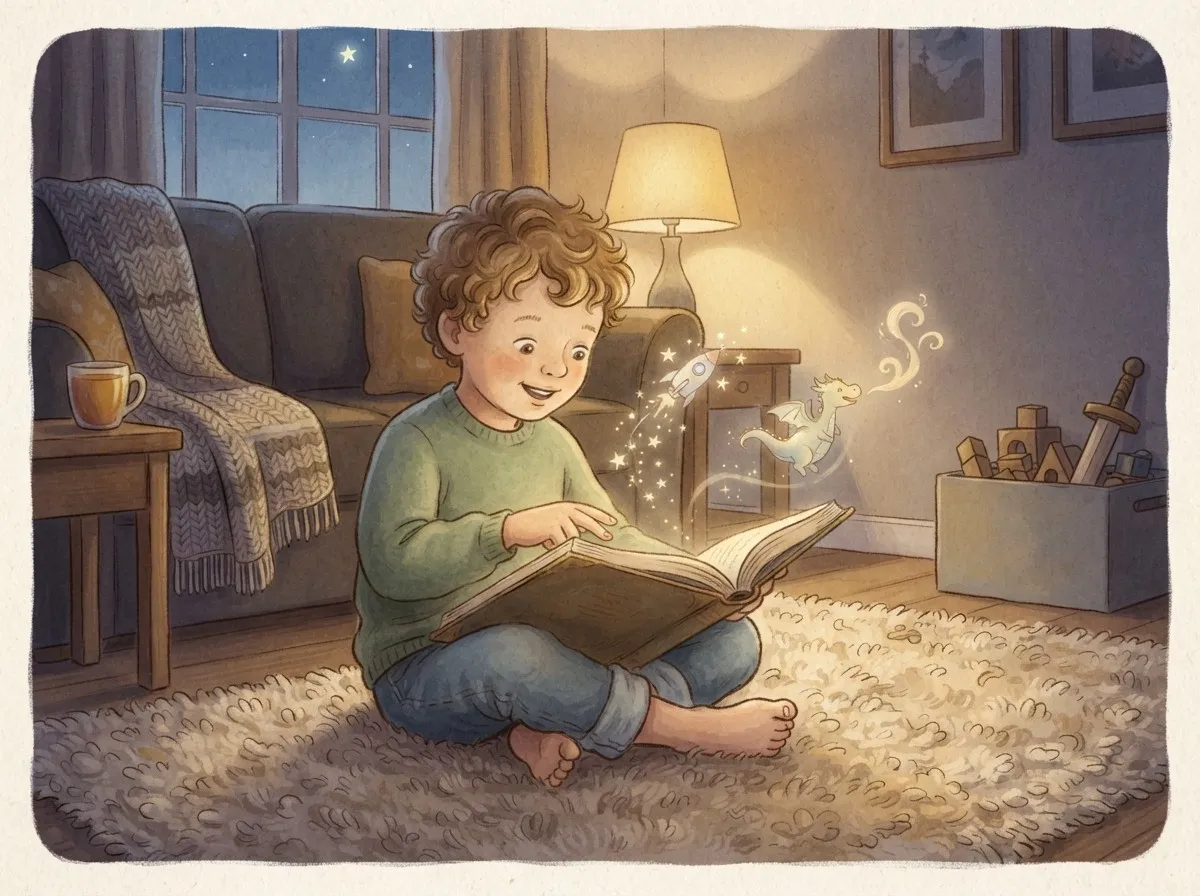
Personalised Books for 5 Year Old Boys: A Guide to Stories That Get Read Twice
To find personalised books for 5 year old boys that become bedtime favourites, look for stories that give him a real mission, with his own name and face inside.
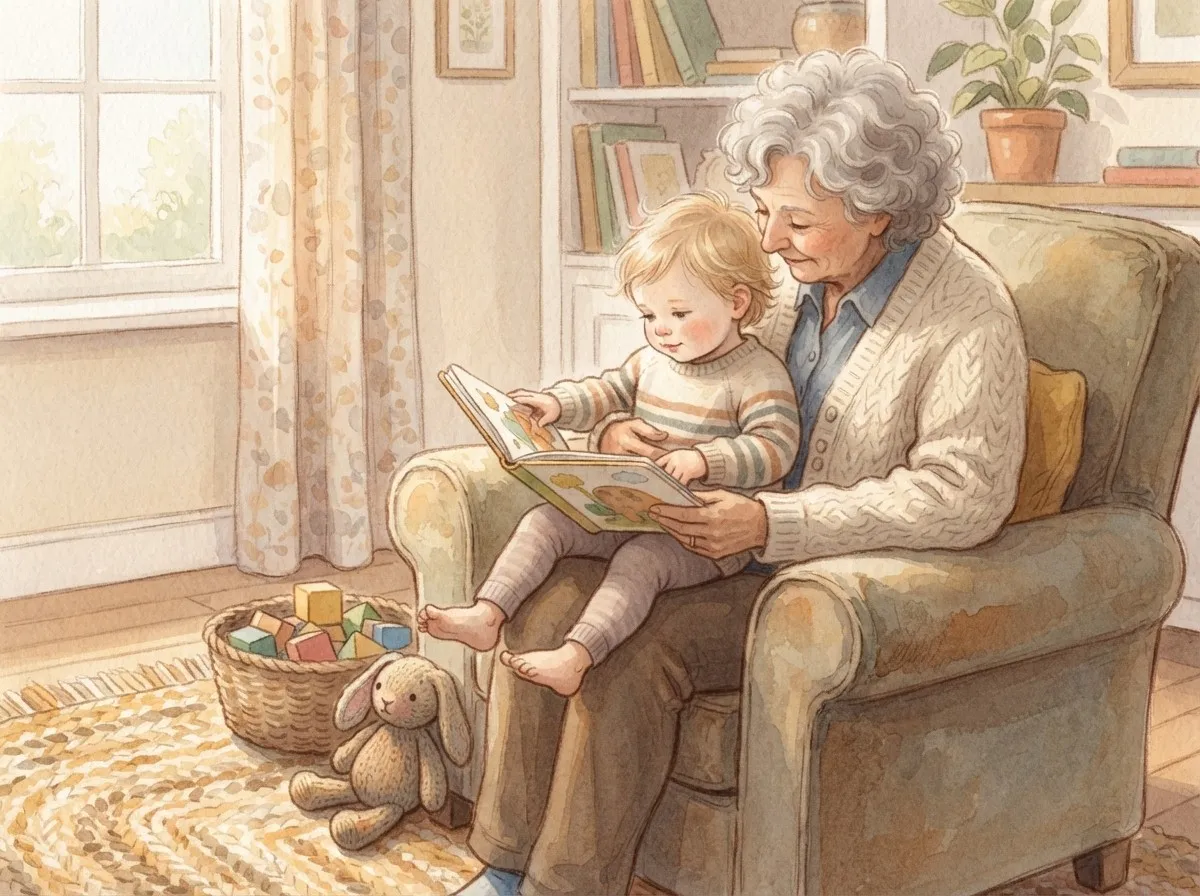
Personalised books for 1 year olds: what actually holds a baby’s gaze
A one-year-old needs faces, rhythm and familiar things more than plot, and the right personalised book can grow with them past the first candle.