

A Personalised Bedtime Story with Photo: Why It Means So Much at Four
When the face on the page looks back from a cosy bedtime scene, a four-year-old sees themselves, and that turns a book into a repeat request.
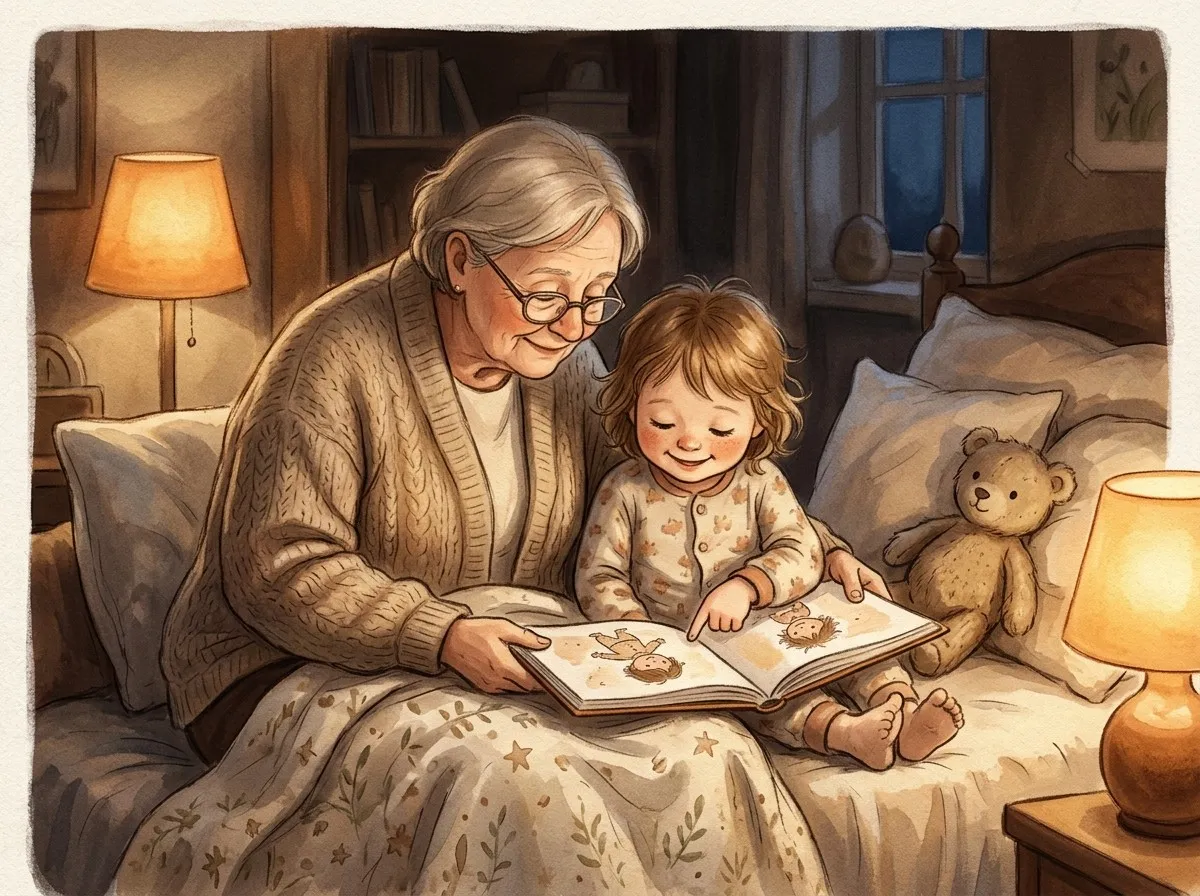
Searching for a personalised bedtime story for 4 year old with photo is different from buying a cloth book for a baby. At four, your child spots her own face on a page and knows, right away, that the story is about her.
Why a photo matters at four, not just in the baby years
Around the age of four, something shifts. A younger toddler might smile at hearing their name read aloud, but a four-year-old studies the pictures. They notice the colour of the character’s hair, the shape of their nose, the familiar smile. When the face on the page looks back from a cosy bedtime scene — perhaps tucking into The Torch Under the Pillow — they see themselves. Not a stand-in, not a generic child. Them.
That recognition turns a book into a repeat request. Many parents find their four-year-old drags the same story off the shelf night after night, demanding “my book”, and asks for it again the moment the last page turns. It is no longer just about a good plot. It is about ownership. The child is the main character, and the familiar face on every page makes the whole bedtime routine feel like something that belongs to them, not something that happens to them.
A photograph anchors that feeling. When you upload a clear picture to CubFable, the finished illustrations carry your child’s real features — the gap in their teeth, the cowlick that never lies flat, the favourite jumper they insist on wearing. The book stops being simply a bedtime story and becomes their bedtime story, the one they reach for when they are tired and want comfort. For plenty of families, that one detail softens the evening pushback. The child is not being sent off to bed with a book. They are being invited into a little world with their own face right at the heart of it.
Pick a story that slows down, not revs up
A four-year-old at bedtime does not need a dragon chase followed by a rocket launch. The goal is a gentle letting-go of the day, not a boost of adrenaline. The right plot gives them permission to be still, to listen, to curl closer under the duvet. When you are choosing a personalised bedtime story for a 4 year old with a photo, look for titles that promise calm, not chaos.
Four of the story ideas in the CubFable catalogue do this beautifully, each in its own quiet way.
- Goodnight, Little Moon makes saying goodnight feel like a slow, rhythmic ritual. The child watches the moon cross a sleepy sky and drifts off alongside it.
- The Torch Under the Pillow turns a very small light into a cosy secret. It reassures without raising any question of monsters or mayhem.
- The Lullaby in Your Pocket tucks a soft melody into the fabric of the story itself, so reading it becomes a hum, not a performance.
- Teddy’s Turn to Share takes a small playroom moment and resolves it gently, with a cuddly toy at the centre. No raised voices, just a quiet lesson slipped in before sleep.
None of these stories arrive with high stakes, loud vehicles or noisy, bouncy endings. They start softly and they end softer still. That matters at four. Your child has spent the whole day running, building, imagining and talking at full volume. Bedtime is not the hour for the next big quest. It is the hour for a familiar face — their own, thanks to the photo you uploaded — appearing inside a book that knows how to whisper. If you are unsure which flavour of quiet suits your child best, you can browse the whole bedtime collection and pick the one that sounds most like their evenings.
Check the photo before you hand over the book
A four-year-old knows their own face in an instant. The wrong photo can turn a magical reveal into a puzzled frown. The right one makes the book feel like a mirror, not an illustration.
Here is what works, learned the practical way by parents who have already hit “upload”.
- A clear, front-facing face with both eyes fully visible. Profile shots and three-quarter angles confuse a small child. They want to see themselves looking straight back.
- Soft, even light across the face. A cloudy afternoon by the window is perfect. Harsh sunshine creates dark sockets that hide the features a four-year-old recognises first.
- No sunglasses, no hats pulled low, no soother in the mouth. Anything that hides the chin, eyes or hairline makes the finished illustration less immediately them.
- A simple, uncluttered background. A plain wall, a hedge, a closed door. Busy wallpaper or a sibling’s elbow in the corner can distract the artist and muddy the likeness.
- Heavy shadows are the enemy. Overhead downlights at the dinner table often cast raccoon shadows beneath the eyes. Many parents find the best shots come from crouching at the child’s level near a north-facing window.
- Crop close enough for instant recognition. A four-year-old opening the book sees the face on the page at roughly palm-sized. If the original photo shows a tiny figure in a big park, the detail dissolves. Fill the frame from shoulders to just above the crown, so every gap-toothed grin and sticky-up bit of hair survives the transformation.
Upload the image and check it against these six points before you confirm. Your child will notice the difference on the very first page.
How CubFable turns a photo into a familiar face
CubFable uses the photo you upload to draw your child into every illustration, not just the cover. The face you send becomes the character on each spread, so the book looks like your own child’s bedtime adventure from first page to last.
You begin by browsing a collection of story ideas, all sortable by age and occasion. You can filter for bedtime calm, birthday excitement, or quiet home moments. Each title shows its recommended age range, from two up to ten. When you have found the right fit, you enter your child’s name and the small details that personalise the text.
Then you upload the photo. This is the step that changes the book from a sweet story into a familiar one.
Before any illustration work begins, the complete story text appears on screen for your approval. You read through it and check that the name, the details, and the cadence are just right. Only after you confirm does an illustrator start drawing. Many parents find this moment reassuring: you see exactly what your child will read, word for word.
Once the book is finished, you can choose a printed, bound copy that arrives by post and sits on the shelf like any beloved picture book. Or you can read it on screen straight away, which is useful when a bedtime cannot wait. The site itself works in eight languages — English, Spanish, French, German, Italian, Portuguese, Turkish and Arabic — so relatives who speak another language can follow along easily.
If you are still weighing up which gentle bedtime story feels most like home, you can browse the bedtime collection and pick the one that whispers your child’s name.
What to say to your grandchild when the book arrives
When the parcel lands, resist the urge to announce it as a gift. Say instead, “This is a personalised bedtime story for a 4 year old with a photo of you in it, and it is our book now.” That small shift makes the book feel like a shared ritual rather than a one-off present.
Sit down together in the usual reading spot and open the cover slowly. Before you read a single line, ask the child to find their face on the first page. Then repeat it on the next page. “Where are you now?” and “Can you spot yourself by the window?” turn the photo into a game. Many grandparents find that a four-year-old will want to trace their own likeness with a finger before they care about the words.
Keep the framing cosy and exclusive. Tell them this is the story you will read at Grandma’s house, or on the Sunday video call, or after tea on the days they sleep over. A consistent spot and a consistent phrase, such as “our story”, matter more than a big reveal.
Also resist buying a big-kid adventure too early. A four-year-old bedtime needs a calm ending, not a chapter-book mystery that revs them up. Choose the age range honestly: a title like Goodnight, Little Moon lands far better at four than an eight-to-ten quest that sits on the shelf waiting. You can browse the bedtime story ideas and filter by age to keep the pace gentle.
Frequently asked questions
Why is a photo so important in a personalised bedtime story for a 4-year-old?
At four, children recognise their own facial features in detail. Seeing their own face in the illustrations makes the story feel like it truly belongs to them, not to a generic character. That sense of ownership turns the book into a comforting, repeat request at bedtime and often softens evening resistance, because the child is being invited into their own little world.
What kind of photo works best when creating a personalised children’s book?
A clear, front-facing photo with both eyes fully visible works best. Take it in soft, even light, such as near a window on a cloudy afternoon. Avoid hats, sunglasses, soothers, and busy backgrounds. Crop close, from shoulders to just above the crown, so the child’s distinctive features stay crisp when the face is printed at palm-size inside the book.
Make one for your own little hero
Pick a story idea, add your child, and we print and post the finished book.
Browse story ideasKeep reading
Personalised books for children starting preschool: making the first goodbye survivable
A personalised book with your child's face turns the first preschool goodbye into a story they can point to, talk about, and return to.
A Story with Their Own Name: Personalised Books for Children Starting Nursery School
A personalised book for children starting nursery school puts your child's own name and face on every page, creating a quiet rehearsal for the first day.
Adventure Books for Children Who Love Pirates: How to Pick a Proper Treasure
A practical guide to choosing adventure books for children who love pirates, with age-by-age tips, gift pairings and a way to put your child in the story.