Personalised books for children starting preschool: making the first goodbye survivable
A personalised book with your child's face turns the first preschool goodbye into a story they can point to, talk about, and return to.
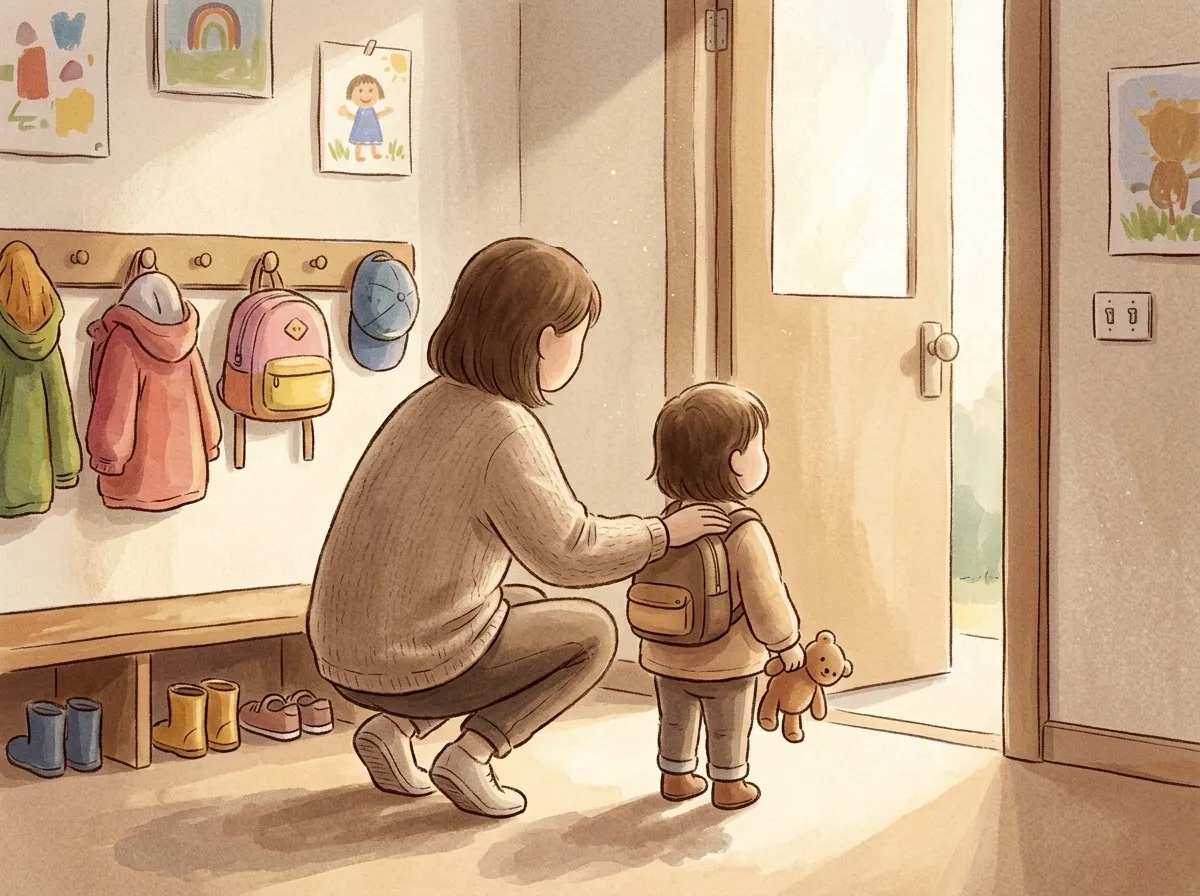
For a child starting preschool, the step feels enormous long before the ABCs matter. When you look at personalised books for children starting preschool, you are not really searching for an academic head start. You are searching for a way to make that first goodbye feel survivable.
Why the size of the step matters more than the ABCs
The first weeks of preschool are an emotional leap. For many parents, the main work is not letter formation or writing a name. It is missing Mum, finding the loo, waiting for a turn, and trusting that someone will come back. A story with your child's own face in it can turn those moments into something they can point to and talk about.
Many parents find that a familiar face gives children words for nerves, separation and small victories: the flutter before the door opens, the pang when Mum leaves, the triumph of putting on a school bag or asking for help. The story does not need to be a lesson. It simply lets the child be the main character in a world that looks a little like preschool and feels a little kinder.
With CubFable, you choose a story idea, add the child's name and details, and upload a photo so the illustrations look like the child. You approve the text before any drawing begins, and the finished book is printed and posted. The real gift is the bedtime conversation it starts. A child who has already seen themselves in the story has somewhere soft to land.
Look for the details that come after the name
A name on the cover is a lovely start, but a preschooler needs more than that to feel the story belongs to them. The truly personal bits are the familiar details woven into the pictures and the words: their own face peeking out from under a floppy sun hat, their favourite cuddly toy tucked under an arm, the colour of their wellies, the way their hair curls when it dries. Those are the things that make a child stop, point, and say, “That’s me.”
When you are choosing a personalised book, look for two practical steps that show the maker means it. First, a photo upload. If you cannot send a clear picture of the child’s face, the illustrations will stay generic, and a generic face does not hold a three-year-old’s attention. Second, check whether you get to see the story before the drawing begins. A writer who knows the child’s name can still miss the tone you want. At CubFable, you approve the text in advance, so you can catch a phrase that sounds too grown-up or a scene that might feel scary rather than exciting.
For a child starting preschool, small choices inside the story connect the book to their world. In a title like The Peg That Knew Your Name or The Second-Newest Kid, the tale might mention their coat peg, their teacher’s name, or the snack they will eat at break. Those echoes of real life turn a story into a rehearsal. Browse the first-day-of-school story ideas for plots that sit right at the doorway of the classroom. A face they recognise, in a story they have helped shape, softens the morning drop-off long before the bell rings.
Match the story to how your child does goodbyes
Not every child does goodbyes the same way, so the story that lands best will match their particular brand of hesitation. Pick a plot that mirrors the moment you actually face at the door each morning.
A child who clings needs gentle reassurance, not a plot full of whizzy distractions. You want a story that says you belong here in a quiet voice. Many families find a title like The Peg That Knew Your Name works well because it gives a preschooler one small, solid thing that is theirs alone: a peg waiting for their coat, already knowing who they are.
A child who hangs back thrives on a clear sequence. They want to know what happens after that first hand squeeze. The Second-Newest Kid walks a child through the whole day in order – arriving, finding a spot, joining in, hearing the goodbye song – so by the time they close the book they have seen themselves go through every step and come out the other side.
A confident child who barely glances your way may not need a gentle hand. They often enjoy a lively first-day story where the morning itself is the adventure. For an older preschooler who runs towards the slide, a title like Rocket Rescue on Planet Blue (ages 5–7) turns the day into a space mission, matching their energy and giving them a story to dive back into after tea.
Both The Peg That Knew Your Name and The Second-Newest Kid sit in the first-day-of-school story ideas, ready to become a book with your child’s face on every page. Choose the one that fits the goodbye you are actually living.
Turn it into the book you reach for all term
A personalised book does its best work when it becomes part of the rhythm of the first few weeks, not a one-off read before the big day. The story settles in deeper with each repeat.
Start a few mornings before term begins. Snuggle on the sofa and read the book together while breakfast settles. A three year old will sit still for about eight pages of a cosy title like Teddy’s Turn to Share or Goodnight, Little Moon – enough to meet the characters and spot their own face peeping out from the illustrations. No need to talk about preschool yet. Just let the book become a familiar, friendly thing.
After a wobbly morning drop-off, pull the book out again that afternoon. You do not have to read every word. Find the page where the child character waves goodbye and comes back smiling, and pause there. Many parents find that rereading the same two or three spreads is more settling than ploughing through the whole story.
Let your child retell the pictures. A four-year-old who cannot yet read the words will still point at the page and announce what is happening, often inventing details you have never heard before. That is the story becoming theirs, not just yours.
Keep the book where it feels reachable. Tuck it into the nursery bag so it rides along for the first fortnight, or leave it beside the bed for a quick evening flick-through. When the book is physically present in the spaces that matter, it stops being a present and starts being a touchstone.
Over a term, the spine softens, the favourite page falls open on its own, and the book becomes the one your child reaches for after a tricky day – not because you suggest it, but because it already knows them.
What CubFable actually lets you do
To turn a story idea into the book your child will reach for, CubFable keeps the process simple and personal. You start by picking a story from the collection. For preschool starters, The Peg That Knew Your Name and The Second-Newest Kid are two favourites, and you can browse all the options in the first day of school story ideas.
Next, you enter your child’s name and a few everyday details – age, favourite colour, the name of their cuddly toy – and upload a photo. The illustrators use it to draw your child’s face into every page, so the character in the book looks like the child you know.
The text appears on screen for you to approve before any illustration begins. Many parents find this the most reassuring part: you read every word and make sure it fits your child’s personality and your family’s way of speaking. Once you give the nod, the artwork gets drawn. The finished book is printed, bound as a hardback, and posted straight to your door.
You can also read the story on screen as soon as it is ready, useful for a cosy preview the night before term or while the hardback is on its way. The whole process works in eight languages (English, Spanish, French, German, Italian, Portuguese, Turkish and Arabic), so the story sounds natural in the language you read at home. If you are weighing up those two preschool titles, our personalised books starting school article explains when each one suits a different goodbye style.
Frequently asked questions
What are personalised books for children starting preschool?
They are storybooks where the child's name, photo and everyday details are woven into the pictures and words. The child becomes the main character in a preschool scene, which helps them talk about separation and feel seen before term begins.
How do personalised books help a child starting preschool?
They give a familiar, safe rehearsal for the preschool day. Seeing their own face in the story helps a child name feelings like nerves or missing Mum, and repeated reading builds confidence. The book also gives parents a natural way to start bedtime conversations.
What should I look for when choosing a personalised preschool book?
Look for a photo upload so the illustrated face really resembles your child, and check that you can approve the text before the artwork is drawn. Small details matter, such as their cuddly toy, coat peg, teacher's name or snack, because they make the story feel like the child's own world.
Make one for your own little hero
Pick a story idea, add your child, and we print and post the finished book.
Browse story ideasKeep reading
When Your Child Is Afraid of the Dark, a Personalised Book Can Light the Way
A gentle bedtime story where a child sees their own face become the hero who tames the dark.
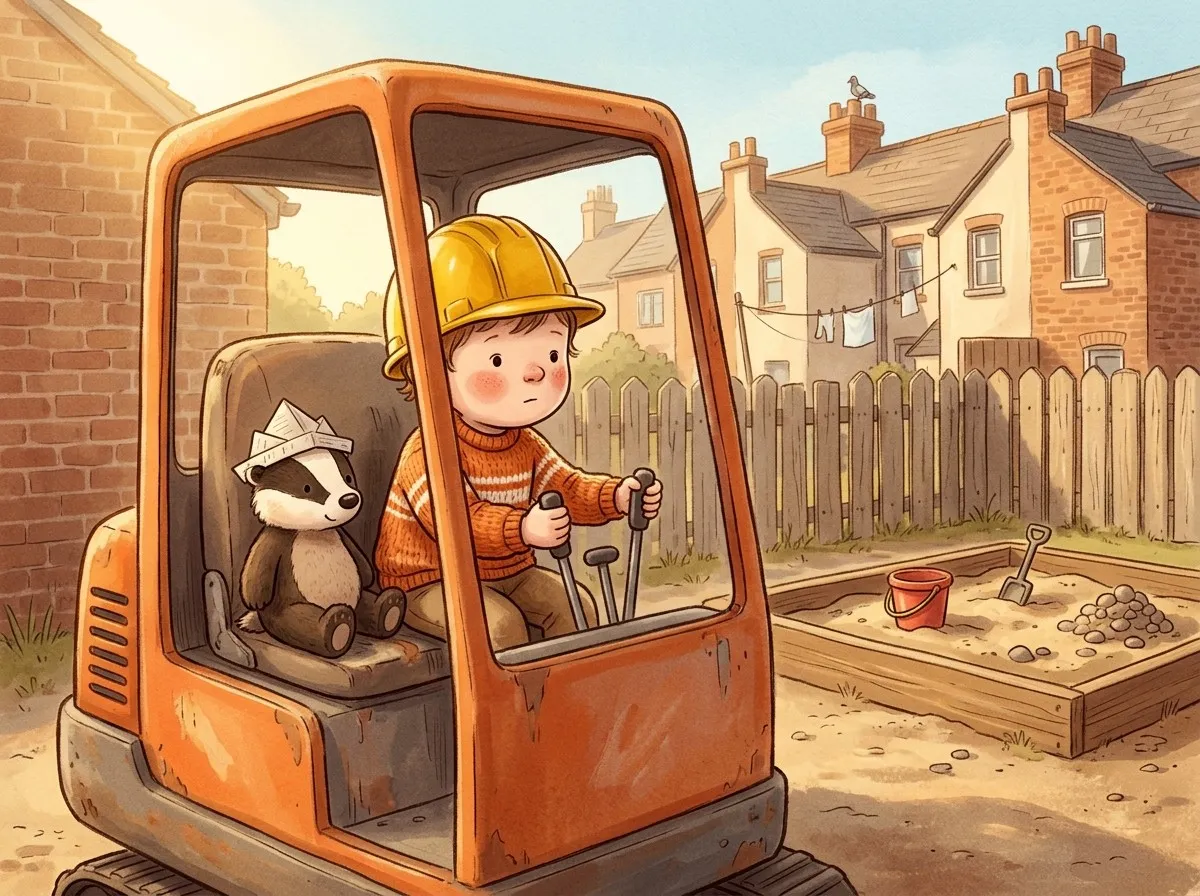
When the digger book puts them in the driver’s seat, not just on the cover
For a child who corrects you when you call a backhoe a bulldozer, the real prize isn't a digger on the cover—it's the promise of the driver's seat.
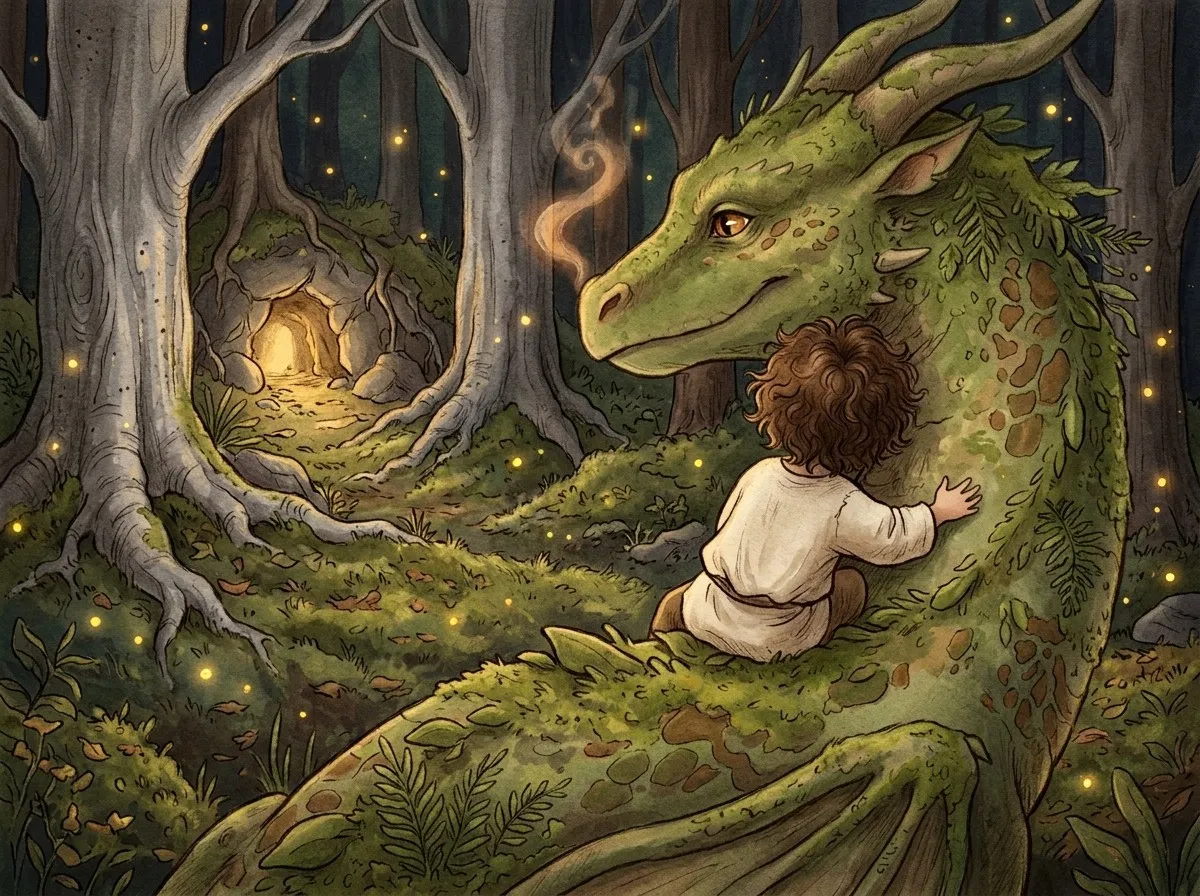
Personalised Books for Children Who Love Dragons
Your child stars in a personalised dragon book: their face in the art, the story built on their kindness, and you approve every word before printing.