Personalised Books for 8 Year Olds That Look Like Them
Personalised books for 8 year olds don't just print a name; they put your child's face into every hand-painted scene.
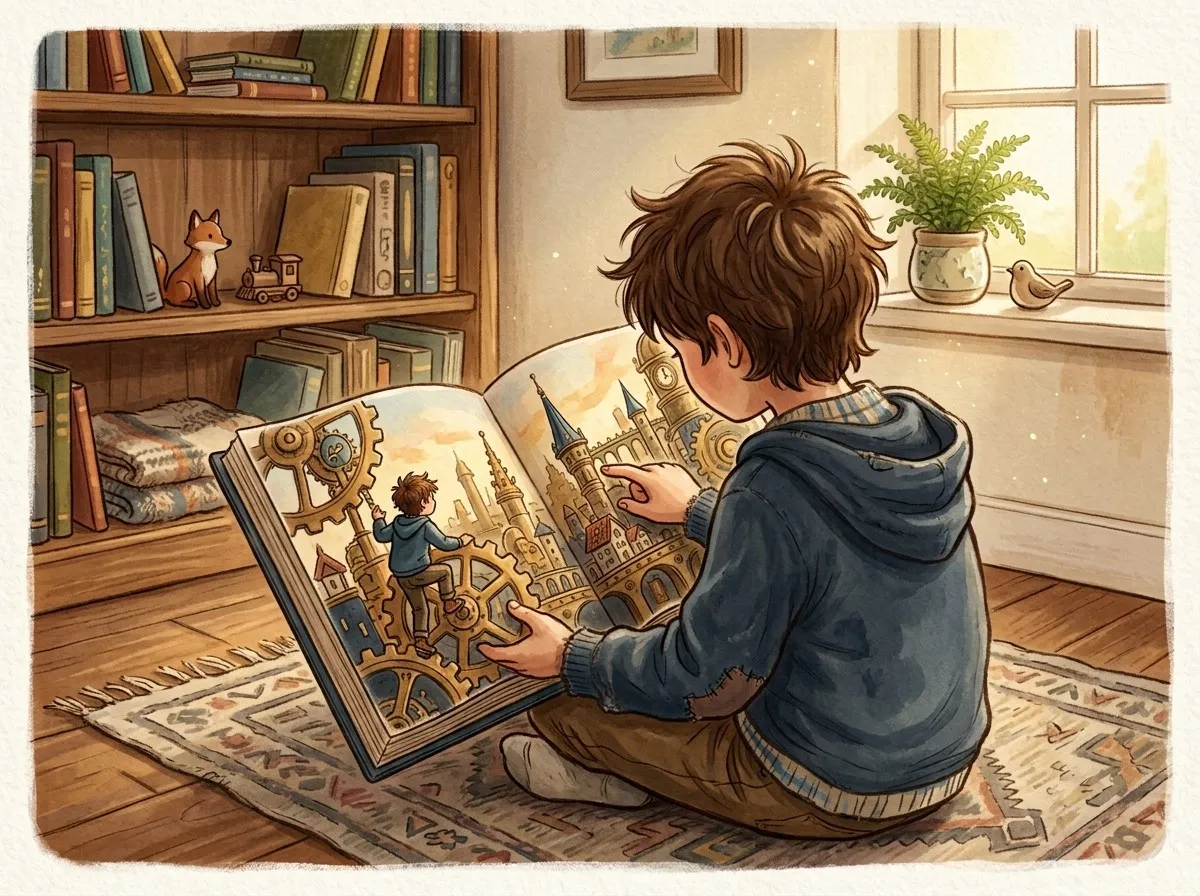
By eight, a child’s reading tastes have sharpened into something personal and stubborn. Hand them a book about a character who feels nothing like them, and you’ll watch the pages stay still. Personalised books for 8 year olds reverse that by making the child the main character from the very first illustration.
Why eight is the age a story really needs to feel like theirs
At eight, most children are reading by themselves, and that independence brings a fierce sense of what they want. They might love mysteries about clockwork cities one month and reject anything with dragons the next. That selectivity isn’t fussiness. It’s a reader discovering their own compass.
A side effect is that generic heroes stop holding attention. A boy who notices every pixel of his own hair and freckles doesn’t care about a blank-faced protagonist in a bright vest. When the pages mirror nobody he knows, the book slips under the bed.
This is where a CubFable story shifts the dynamic. You pick a story idea from CubFable’s growing catalogue that matches your child’s obsession, like Codebreakers of Copper City if they love future cities and puzzles. Then you enter their name and details, and you upload a photo so the illustrations actually look like them. When they see their own face inside a futuristic skyline, the story stops being a distant tale and becomes their mission.
Because you see the story text before any illustration is drawn, you can check that the reading level feels right, not too daunting, not too young. Many parents find this blend of a tailored adventure and a recognisable reflection gives their child a reason to pick the book up again, not just when a grown-up suggests it. When the child is truly inside the world, rereading happens naturally.
The kind of plots an 8‑year‑old actually wants to read
Eight-year-olds want plots that treat them as thinkers, not passengers. Codes need cracking, maps hide clues, and doorways open into worlds with their own rules.
A mystery like The Clockmaker’s Secret Map hands the reader a puzzle box of hidden cogs and riddles that only make sense on a second read. That spark of spotting a clue before the characters do is what sends a child back to page one.
Fantasy portals work when the other side has real logic. In The Library Between Worlds, your child steps through a library shelf into realms where every book is a gateway and the stakes depend on choices they make. The final twist often has them retracing steps from the very first chapter.
Eco-quests hit harder when the danger is tangible. The Last Seed of Sunvale puts the child in charge of the one seed that could revive a dying valley, with consequences if they fail. That weight isn’t scary; it’s respectful.
And in future-city adventures like Codebreakers of Copper City, the story is threaded with transmissions to decrypt and a shadowy network to outsmart. When the child sees their own face in the illustrations, wearing the gadget-laden jacket they’d choose, the mission becomes theirs. A book like that travels from pillow to car seat until the spine goes soft.
If you aren’t sure which obsession is in charge this month, browse the full catalogue and watch which cover art makes them lean forward.
When 'personalised' means more than a name on the cover
By eight, a child carries a sharp, private picture of themselves. They know the exact shade of their brown hair in sunlight, the dent in their glasses frame from a fall at the park, the one hoodie they would wear every day if you let them. A name printed in the text is pleasant, but they barely register it after the first page. What they truly look for is their own face, their own world, staring back from the illustration.
That is the difference between a book with a name and a book that holds up a mirror. With CubFable, you do not simply type a name. You upload a photo so the artist can capture the child’s skin tone, their smile, the way their hair falls across their forehead. You mention the small things: glasses, freckles, that favourite hoodie with the worn cuffs. Those details appear in every illustration, not just on the cover.
When a reader sees themselves drawn into a mystery like The Clockmaker’s Secret Map or an eco-quest like The Last Seed of Sunvale, wearing exactly the clothes they would choose, the adventure shifts from imaginary to personal. Many parents find this is the moment a book stops being something a child is given and becomes something that belongs to them. They will flip back through the pages not just for the plot, but to see themselves in each scene. That is the kind of rereading that softens a spine.
How the illustrations end up looking like your child
You start by browsing the story ideas and picking a plot that fits your child’s current obsession. The age range runs from gentle farm tales for a two‑year‑old right up to twisty mysteries for a ten‑year‑old, so the core story always matches where they are.
Once you have chosen, you enter the child’s name and a few telling details: the way their hair flips at the ends, those red glasses, the trusty hoodie with the frayed cuffs. You upload a photo so the artist can study their skin tone, their smile and how they hold themselves. Then, before a single brushstroke lands on paper, you see the full story text and approve it. Nothing gets drawn until you are happy with the words.
Only then does the illustration begin. The artist works from your photo and description to place your child into every scene, wearing exactly the clothes you described. The result is not a generic cartoon with their name underneath; it is them, unmistakably.
The whole experience works in eight languages, from Spanish to Arabic, and you can read the book on screen the moment the pages are generated. When you are ready, a hardcover copy is printed, bound and posted to your door.
Frequently asked questions
What makes the personalisation special beyond printing a name?
Unlike books that only print a name, CubFable uses your photo and description to hand-paint your child into each illustration. You can specify their hair, glasses, and favourite clothes. When they see themselves in a mystery or quest, the story becomes their own adventure, which leads to rereading.
Are these books suitable for an 8-year-old who is a reluctant reader?
Yes. The plots treat eight-year-olds as thinkers, with codes to crack, maps to decipher, and choices that matter. Seeing themselves as the hero, wearing their own clothes, gives a reluctant reader a powerful reason to turn the page. Many parents find the personal connection sparks a new reading habit.
Make one for your own little hero
Pick a story idea, add your child, and we print and post the finished book.
Browse story ideasKeep reading
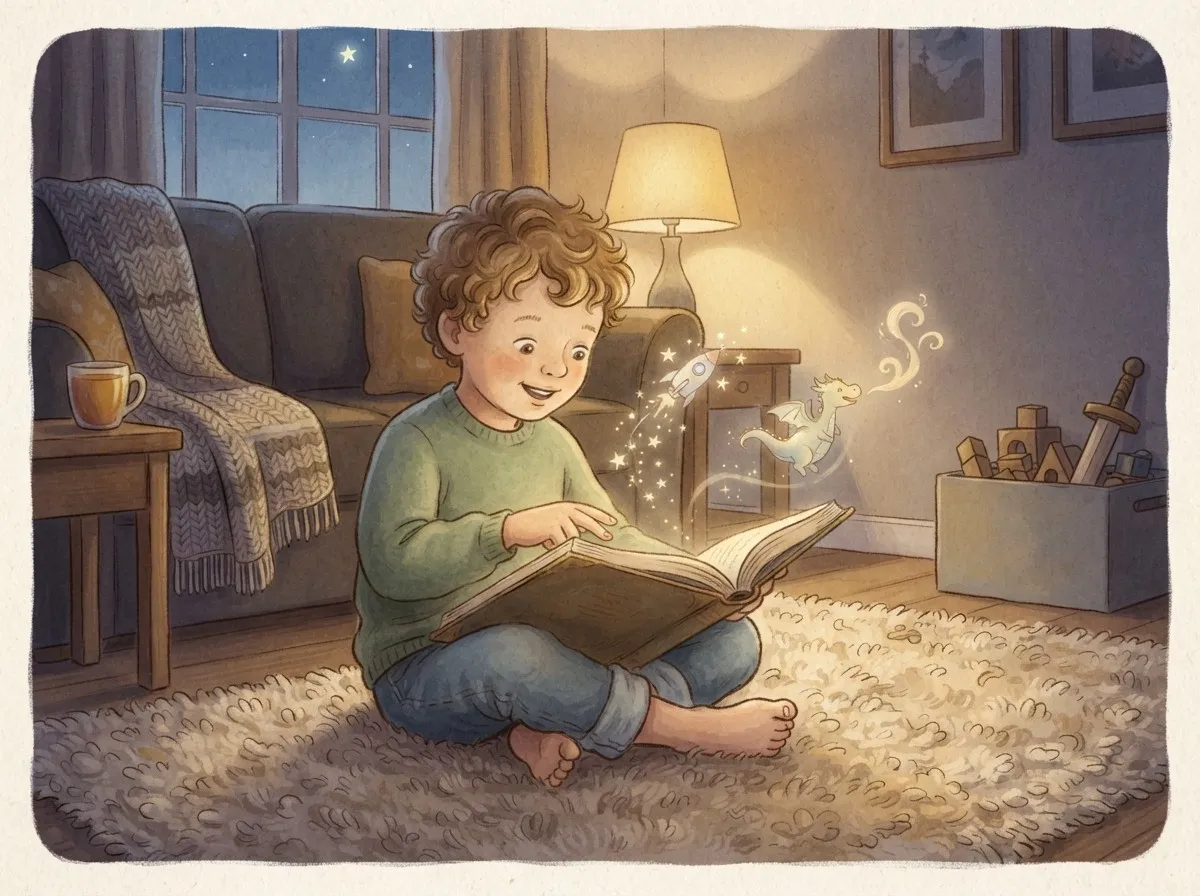
Personalised Books for 5 Year Old Boys: A Guide to Stories That Get Read Twice
To find personalised books for 5 year old boys that become bedtime favourites, look for stories that give him a real mission, with his own name and face inside.
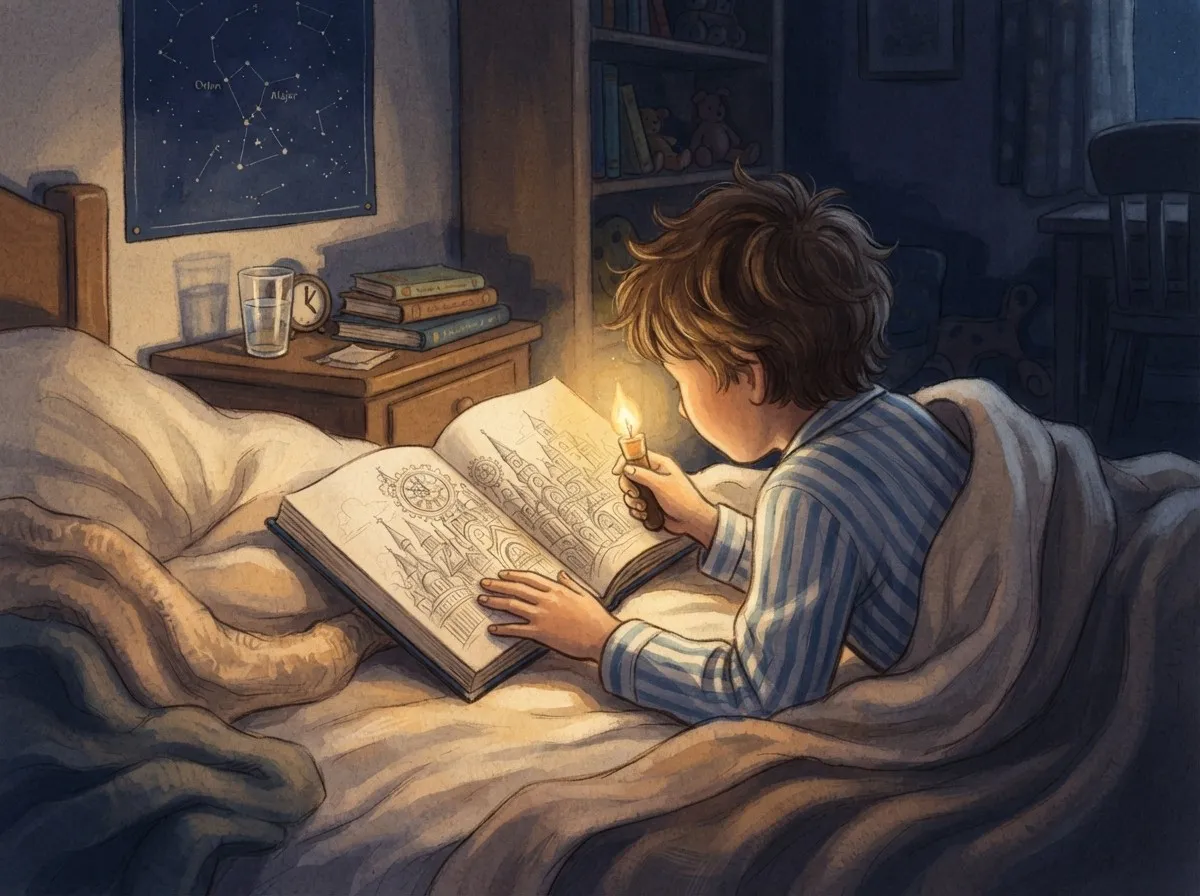
When the Story Feels Like Theirs: Personalised Books for 9 Year Olds
Personalised books for 9 year olds only work when the plot pulls them in, the character looks like them, and the story feels like theirs, not a template with their name on it.
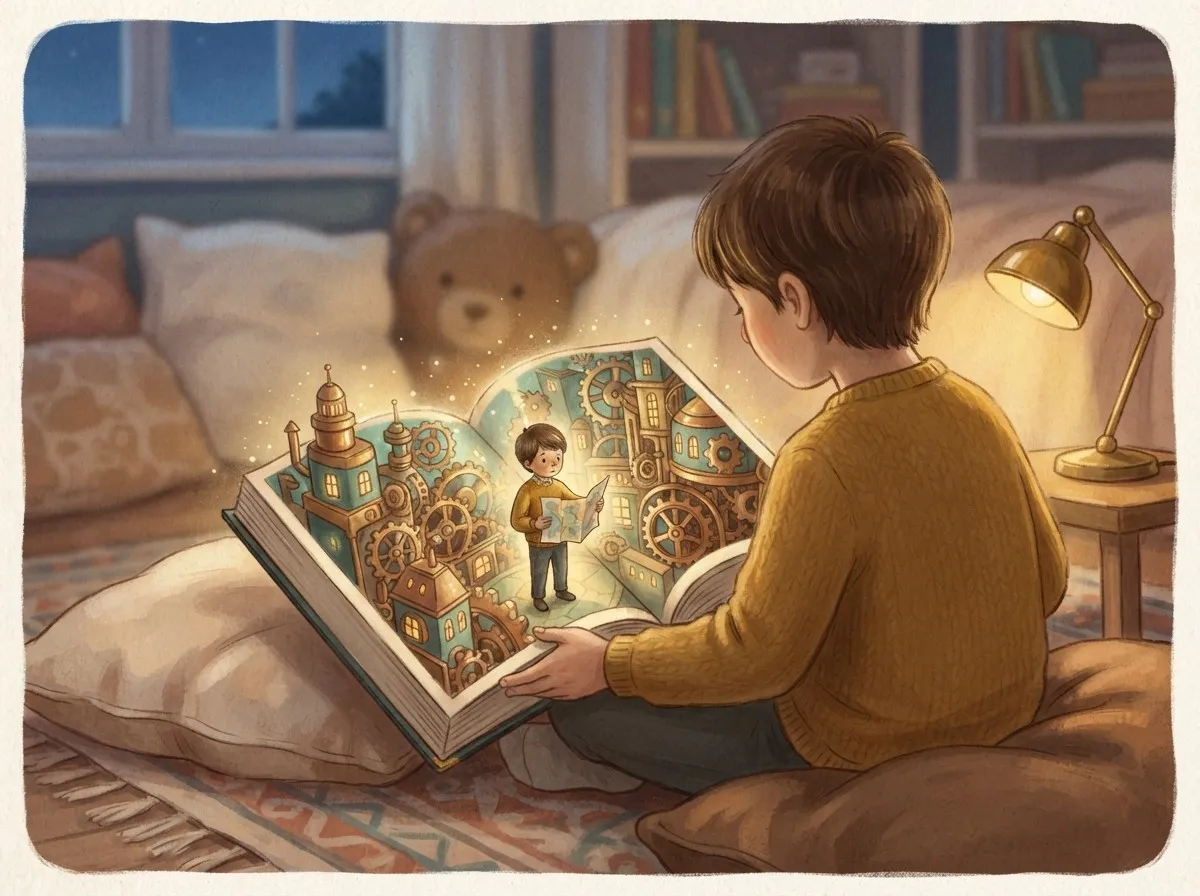
Personalised Books for 10 Year Olds: Novels They’ll Reread
Why ten-year-olds need personalised stories that trust their intelligence, not just paste their name on the cover.