
When the Story Feels Like Theirs: Personalised Books for 9 Year Olds
Personalised books for 9 year olds only work when the plot pulls them in, the character looks like them, and the story feels like theirs, not a template with their name on it.
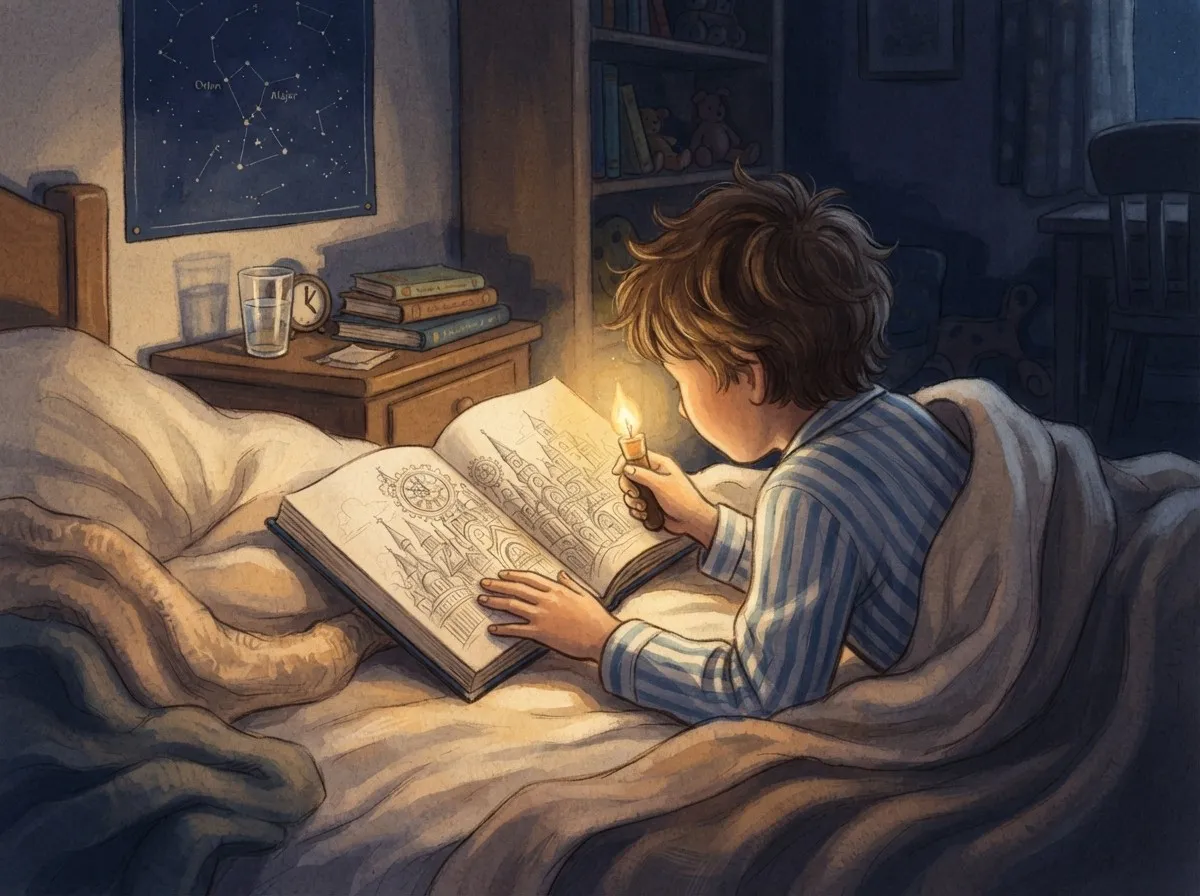
You know the look: your nine-year-old scans a book’s cover, decides it’s ‘for little kids’, and pushes it away. Personalised books for 9 year olds can be the exception, but only if the story itself feels like theirs.
What a nine-year-old actually wants from a book
By nine, a child reads fluently. They are not sounding out words any more, they are racing through paragraphs, chasing the next twist. A plot that dawdles or talks down to them is a book that gets abandoned under the bed. They can smell a babyish story a mile off, so anything with sing-song rhymes or a cute-animal-saves-the-day ending will provoke an eye-roll, not a request for one more chapter.
What they crave instead is agency. In a good story, the nine-year-old protagonist makes decisions, takes risks, and deals with the consequences, whether that means cracking a cipher in a futuristic city like Codebreakers of Copper City or chasing a mystery through hidden streets in The Clockmaker’s Secret Map. A book where the child is the main character, solving problems on their own terms, pulls them in far deeper than one where they are a passenger.
They want humour too, the kind that comes from a sharp observation or a clever line of dialogue. A nine-year-old loves a character who gets things slightly wrong in an endearing way, or a joke that rewards a quick reader. But most of all, they want a story they can own. Not just a name printed on the cover, but a world where the illustrations look like them and the adventure fits their sense of what is funny, what is fair, and what is worth fighting for. When a parent can upload a photo so the hero truly mirrors their child, and the text is reviewed before a single illustration is drawn, the result is a book that feels less like a gift and more like a reflection. That is the difference between a book a child tolerates and one they will reread until the spine softens.
browse story ideas for eight- to ten-year-olds
Plots that pull a 9-year-old through the chapters
A nine-year-old stays up late for a plot that does not wait for them to catch up. The stories that grip them are the ones with real stakes, not just a lost puppy. Think of cracking a code that could change the future of a city, where every cipher the child solves brings a hidden world closer to the surface. The puzzles feel urgent because the city itself depends on the next breakthrough.
Then there is the race across a living glacier, ice groaning underfoot, a vast creature that needs saving before it melts into the sea. A story like this works because the landscape is as alive as the characters, and the child is the one who must read its shifting moods before time runs out.
Clockwork mysteries pull a different lever. A folded map, a sequence of tiny engraved gears, a secret door that only opens if you turn the key at exactly the right moment. The pleasure comes from fitting pieces together, one careful discovery at a time. Nine-year-olds love being the detective who notices what the grown-ups overlook.
And some of the most-read books are eco-quests, where the search for the last seed carries the weight of an entire valley’s future. The child is not tagging along; they are the person who decides what to protect and how far to walk for it. In a personalised book, your child steps into those roles, their name and their own drawn-in face carrying the story forward. browse the story ideas for eight- to ten-year-olds
Why a name in the title isn’t enough for this age group
A nine-year-old can spot a placeholder a mile off. When a story simply swaps in their name but leaves every reaction, joke and decision generic, it lands as flat as a school worksheet. Many parents find that their child flips through a personalised book once, says a polite “thanks,” and never reaches for it again. The disappointment is not about the gift being personal. It is about the personalisation feeling pasted on.
The difference is whether the child sees themselves in the character’s choices, not just their name on the page. A book like The Clockmaker’s Secret Map works because the protagonist thinks like a real nine-year-old: they get curious, they get stuck, they have ideas that are not quite right until suddenly they are. When the illustrations match the child’s own face, and the story lets them be stubborn or clever or a bit sarcastic, the book stops being a novelty and becomes their story. It is the opposite of a fill-in-the-blank.
Parents who have watched their child read a dozen pages straight often notice the same detail. The moment the hero frowns at a coded note, and the illustration captures their child’s exact thoughtful expression, something clicks. The book no longer reads as a gift with their name stamped on it. It feels like a mirror of who they are right now: a person with a sense of humour, a growing moral compass, and a strong distaste for anything that talks down to them. That level of integration is what keeps a book on the nightstand, not the shelf.
What to look for when you're comparing personalised books
When you browse the options, a handful of practical checks will tell you whether a book will stay open past page three or gather dust on the shelf.
First, check that you can read the story text before any illustrations are drawn. With CubFable, the full story appears for your approval upfront. You catch any awkward phrasing, you confirm the child’s name sits naturally in the dialogue, and you know exactly what you are buying before a single brushstroke lands.
Next, look at how the character is created. A book that asks for a photo and translates it into the illustrations gives your child a character who looks like the child, not a cartoon placeholder. The tilt of the head, the familiar grin, the specific hairstyle: these are the details a nine-year-old notices and cares about.
Then weigh the language. A story pitched for ages eight to ten should sound like a middle-grade novel, not a picture book with extra words. You want sentences that respect a child’s vocabulary without talking down. A plot like The Last Seed of Sunvale or The Debate of the Mountain Giants runs long enough to require real attention, the kind a child sinks into over several nights.
Finally, confirm that you can read the finished book on screen the moment it is generated. A nine-year-old waiting for the post is a nine-year-old who has probably already forgotten the plot. Instant screen access means the story begins while the excitement is fresh.
How CubFable makes a book a nine-year-old will actually finish
The process is built around a single insight: a nine-year-old won’t push through a story that feels like a template. So every step lets you shape the book before it exists.
You start by picking a story idea from the adventure-fantasy collection. For the eight-to-ten age range, titles like Codebreakers of Copper City and Expedition to the Living Glacier are written with chapter-like pacing and real stakes. Browse the adventure-fantasy collection to see the full set. Next, you enter your child’s name, a few personality details, and upload a photo.
That photo guides the illustrator so the character tilts their head the way your child does, squints at a clue with their actual expression, and grins when the answer clicks. The protagonist looks and feels like the child reading, not a cartoon placeholder.
Before any illustration is drawn, the full story text appears on your screen for approval. You read it through, check the name sits naturally in the dialogue, and catch anything that doesn’t sound like your nine-year-old. Only then do the illustrations begin.
The finished book is printed, bound and posted as a hardcover. But the child doesn’t wait for the post. The story is available on screen the moment it is generated, so a curious nine-year-old can start reading straight away. That immediate access often makes the difference between a book left on the shelf and one that gets finished.
A book they’ll return to when no one’s watching
The real test happens a few weeks after the birthday, when the wrapping paper is long recycled and the other presents have settled into their proper drawers. You’ll notice the book has migrated from the shelf to the bedside table, a corner of the duvet tucked around it. A nine-year-old rarely announces that a story matters. They just keep it within arm’s reach.
This is the quiet reward of a personalised book done well. Not the gasp when they first spot their face on the cover, but the torchlight reread three months later. The page they dog-ear because that line sounded exactly like them. The chapter they mouth along to because they’ve been there half a dozen times already. Many parents find it’s the story where the child’s own mannerisms stare back from the page that earns this loyalty. A book that fits that snugly doesn’t get outgrown. It gets hidden under the pillow so no one moves it while they’re at school.
Frequently asked questions
Why do some personalised books fail to hold a 9-year-old’s attention?
They often treat personalisation as a name swap, leaving the plot and dialogue generic. A 9-year-old recognises a template and loses interest. A book works only when the character’s decisions, humour and appearance reflect the child, and the story has real stakes and chapter-like pacing that respect their reading level.
Can my child read the book online before the printed copy arrives?
Yes, the full story is available on screen the moment it is generated. Your nine-year-old can start reading immediately while the hardcover is printed and posted. This keeps the excitement fresh and often means the book gets finished, not forgotten.
What kinds of plots appeal to nine-year-olds?
They enjoy stories with real stakes: codebreaking in a futuristic city, racing across a living glacier, solving clockwork mysteries, or eco-quests where the child’s choices matter. The protagonist should be the one making decisions and dealing with consequences, not a passenger.
Make one for your own little hero
Pick a story idea, add your child, and we print and post the finished book.
Browse story ideasKeep reading
Personalised books for 5 year old girls that she'll read until the spine goes soft
A story where the heroine has her name, her face and her own quiet courage is the one she reaches for night after night, long after the plastic toys are forgotten.
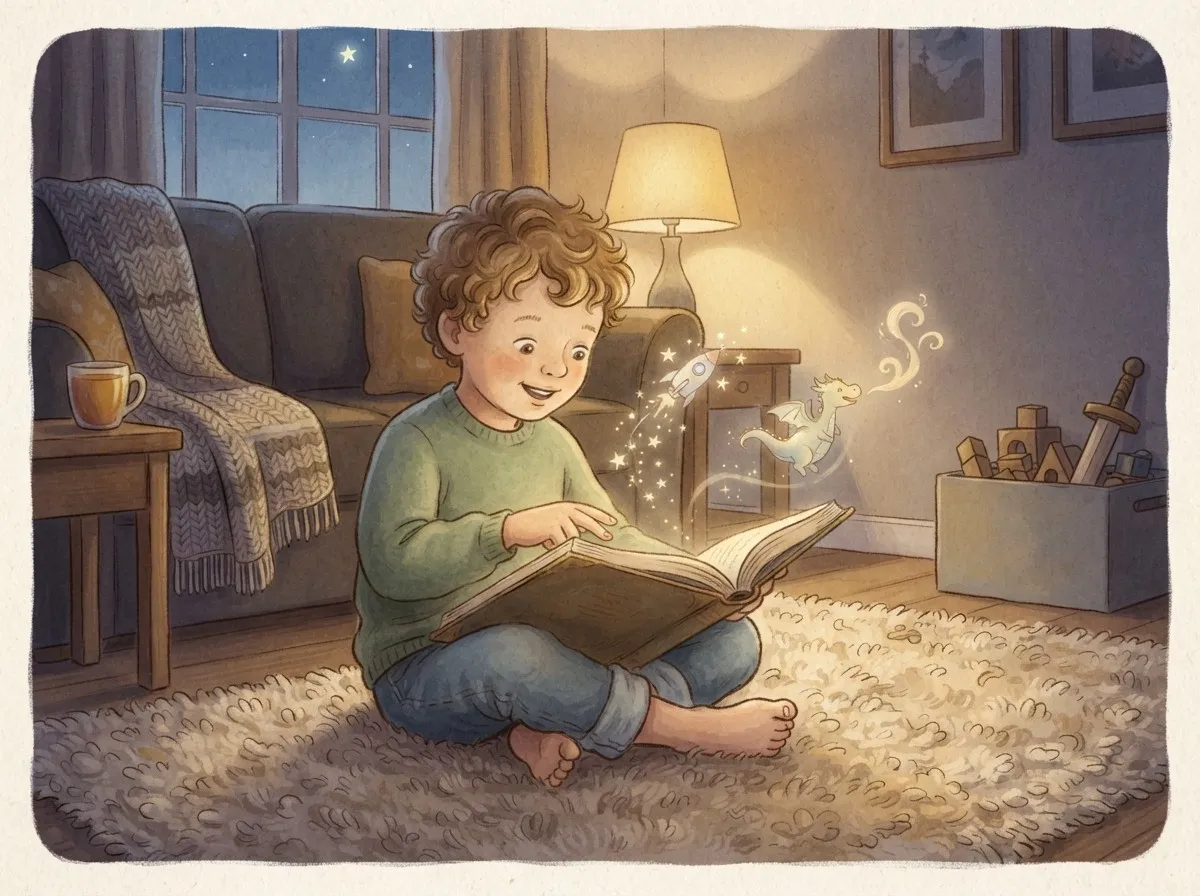
Personalised Books for 5 Year Old Boys: A Guide to Stories That Get Read Twice
To find personalised books for 5 year old boys that become bedtime favourites, look for stories that give him a real mission, with his own name and face inside.
Personalised books for 1 year olds: what actually holds a baby’s gaze
A one-year-old needs faces, rhythm and familiar things more than plot, and the right personalised book can grow with them past the first candle.