

When the digger book puts them in the driver’s seat, not just on the cover
For a child who corrects you when you call a backhoe a bulldozer, the real prize isn't a digger on the cover—it's the promise of the driver's seat.
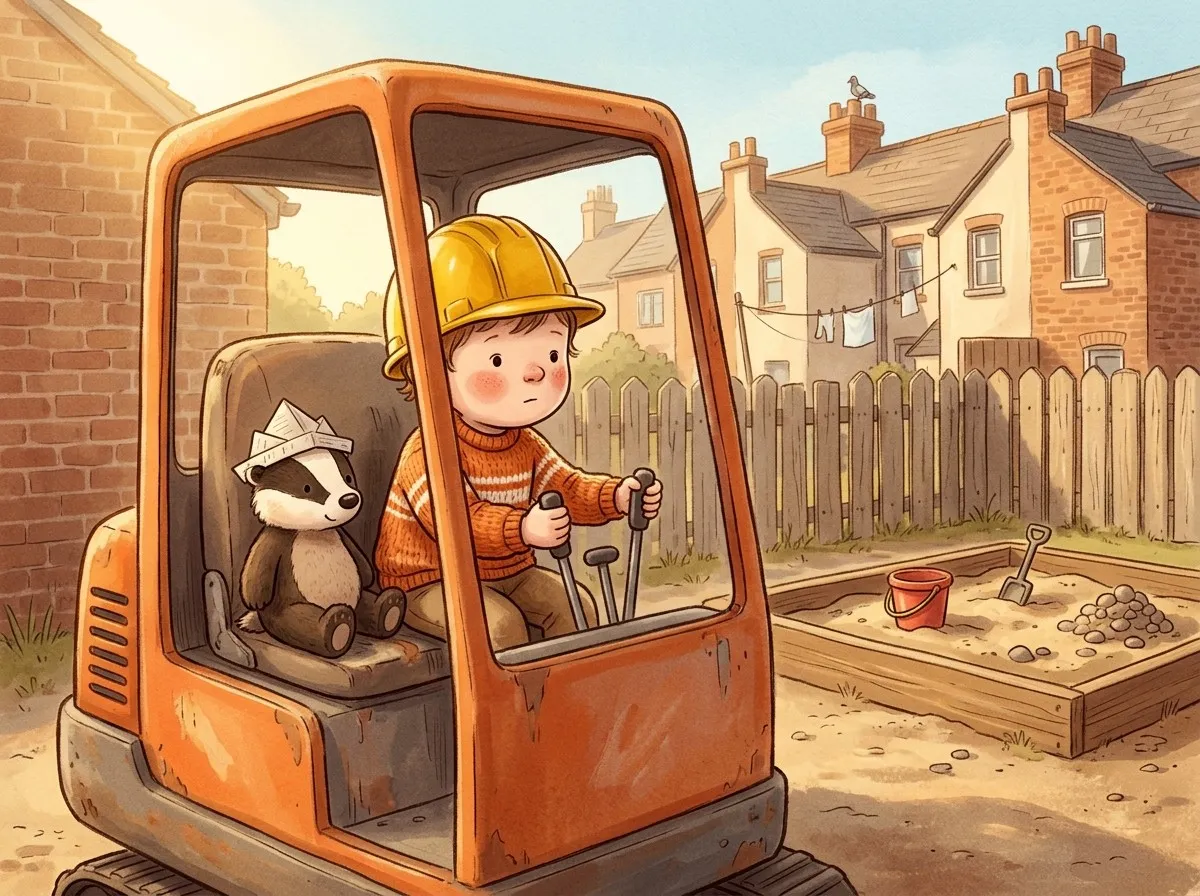
You know the child. They can name every digger brand on sight, correct you when you call a backhoe a bulldozer, and have turned the sandpit into a permanent building site. When you start looking at personalised books for children who love construction vehicles, a shiny picture on the cover isn’t the real prize – it’s the promise of the driver’s seat.
Why a digger on the cover isn’t enough for a construction-mad child
For a child who lives and breathes diggers, cranes and dumpers, the fascination isn’t really about the machine. It’s about what the machine can do – and who gets to do it. A generic book that only shows a vehicle in a field puts them in the audience. They don’t want to watch. They want to be the operator, the builder, the one gripping the levers inside the cab. The thrill is agency, the power to move earth and shape a tiny world.
That’s why the story needs to hand them the controls. Not just mention their name, but place them right at the heart of the action, where every turn of the page feels like their boots on the site. With CubFable, you pick a story idea, pop in their name and a photo, and the finished illustrations put your child’s face in the cab, on the scaffold, behind the wheel. For the youngest enthusiasts, The Very Busy Digger turns a two-year-old into the main character on every page. For older children, you can browse the full collection of machines and motors in the things-that-go story ideas and find a build that fits. The book isn’t a postcard of a digger. It’s the job site, and your child is the one in charge.
Finding a story that matches their real building-play, not just a vehicle checklist
A two-year-old’s construction play rarely involves a plan. It’s sensory: the thump of a tower toppled flat, the scratch of a stick through dry sand, the satisfying plop of a stone dropped into a bucket of water. A three-year-old begins to stack with purpose, loading a dumper until it overflows and pushing it across the floor with a determined grunt. By four, you might hear them narrating as they go – a garage needs a ramp, a zoo needs a wall – and by five or six, whole back-garden sagas unfold, complete with blocked roads, broken bridges and urgent rescues that only the right machine can fix.
A good story steps onto the site at your child’s exact stage. For the youngest builders, the pages should hum with the rhythmic, full-body joy of scooping, lifting and tipping. The Very Busy Digger does exactly that, folding a name and a familiar face into a simple, repeating digger rhythm that a two-year-old can feel in their bones. There’s no complex mission, just the glorious loop of mud in the bucket and mud back out again. Many parents find that a story mirroring their child’s current play pattern holds attention far longer than a catalogue of correctly labelled vehicles.
For a five- or six-year-old, the same loop would fall flat. They need a problem to chew on: a delivery that cannot reach its destination, a trench in the wrong spot, a structure that wobbles and needs a counterweight. The story becomes a mission, not a showcase, and the child’s role shifts from delighted operator to thinking builder. When you browse the story ideas, you can pick a construction tale that climbs the scaffolding right alongside them. Not next year’s book. Today’s.
What changes when your child’s own face is in the hard hat
The first page opens and there is a beat of silence. Your child is looking at a digger, but also at themselves: same eyes, same grin, same favourite jumper, tucked inside the cab with both hands on the levers. That moment of recognition changes everything.
A printed name is a nice start, but the photo does the heavier lifting. When the face in the hard hat is unmistakably theirs, the book stops feeling like a present and starts feeling like a mirror. They are no longer watching someone else build. They are the one lifting the bucket, reversing the dumper, deciding where the trench goes.
That is the shift from passive observer to active hero. Many parents find this personal connection keeps the book off the shelf and in the bedtime pile, because that small figure in the cab is not a character. It is them, given a job only they can do.
Stories that work on site and off: picking the right one by age
A book that captivates a two-year-old will lose a six-year-old by page two, and a nine-year-old will roll her eyes at the same offer. The story’s length, language and stakes must be as carefully chosen as the hard hat.
For a toddler gripped by cause and effect, the book is a series of satisfying moments: dig, tip, dump, repeat. The Very Busy Digger (2–4) keeps pages short, text rhythmic and the action immediate. Many parents find a two-year-old will sit through a dozen sturdy pages when every spread mirrors the loop they love in the garden.
By five or six, a mission is everything. The Great Neighbourhood Build (5–7) stretches the story out, but the child is not just watching; they are deciding where the community centre goes, why the bridge needs reinforcing, whether the digger can reach the far corner. Language grows more conversational, with proper dialogue and simple cause-and-effect chains that make them feel like the project leader.
At nine, the digger might stay parked in the sandpit, but the builder’s mind is still whirring. An older child often connects more to the human side of building: a neighbourhood project that needs compromise, a mystery that demands logical thinking, a community problem only a sharp mind can solve. Stories like The Box Nobody Packed (6–9) offer longer chapters, richer vocabulary and multiple viewpoints. For more ideas that stretch a builder’s thinking beyond vehicles, you can explore personalised books for 8 to 10 year olds that actually get them.
Why you might want to keep the construction story with the child’s photo long after the toy digger is forgotten
A toy digger has a season. It rules the sandpit for a summer, loses a wheel under the sofa, and eventually gets passed to a younger cousin without much ceremony. The personalised book that captured that same digger obsession works differently. It stays.
Not because it is more durable than plastic, but because it freezes something fleeting: the year your child wore a high-vis vest everywhere, called every vehicle by its proper name, and genuinely believed they would grow up to operate a crane. That enthusiasm is enormous when you are three or five or seven, and it fades quietly when the next fascination arrives. A photo-personalised construction story becomes a time capsule of that phase, with your child's actual face inside the cab, on the scaffolding, directing the cement mixer exactly where it needs to go.
CubFable builds a deliberate pause into creating this keepsake. After you enter your child's name, details and photo, the story text is shown to you for approval before any illustration is drawn. You are not just ordering a product and hoping for the best. You read the words first, check that the tone fits and the language sits right, then give the go-ahead. That step turns the book into something you helped shape, not something that simply arrived in the post.
The finished hardcover ships when it is ready, but you do not have to wait for the parcel to share the story. Every book can be read on screen as soon as it is generated, so the digger-obsessed child can climb into the cab that same afternoon. Many parents tell us they keep the printed edition on a shelf long after the digger itself has been donated to the nursery toy box. A toy is played with and outgrown. A personalised story, made with their face and your approval, earns its spot on the shelf for years.
What grandad, granny or a friend should know before ordering
When you are choosing personalised books for children who love construction vehicles, the small details do a lot of the work. If you are not the child’s parent, start by double-checking the exact spelling of the name. A grandparent can be certain it is “Freddie” and still miss that the family writes “Freddy”. The name appears throughout the story, so the extra minute is worth it.
Choose a photo that genuinely looks like the child now, not the baby photo from a year ago. A clear, well-lit photo of their face helps the illustrations truly resemble them. Avoid sunglasses, heavy shadows or a tiny figure in a group shot. If you are not sure, ask Mum or Dad for a recent favourite.
Whenever you can, choose the story idea together with the parents. They will know whether the child is currently mad about diggers, fire engines or trains, and whether they need a short, gentle story or a longer mission. A good starting point is to browse the Things That Go story ideas. The Very Busy Digger (2–4) suits the youngest readers, while an older child may prefer a neighbourhood build with more decisions and dialogue. Working with the parents’ knowledge makes the book more likely to become the one they ask for again.
Frequently asked questions
What age are personalised construction vehicle books suitable for?
CubFable construction stories span ages 2 to 10. Toddlers love rhythmic, sensory tales like The Very Busy Digger (ages 2–4). Five- to seven-year-olds engage with mission-based stories where they solve building problems. Older children aged 8 to 10 connect with chapter books that explore the human side of building, such as community projects and logical puzzles.
How does the photo personalisation work in a construction book?
You upload a clear, well-lit photo of your child's face during the ordering process. That photo is used to illustrate your child into every scene, so they appear inside the digger cab, on the scaffolding, or behind the wheel. You review and approve the story text before any illustration is drawn, ensuring the tone and language feel right.
Can grandparents order a personalised digger book as a gift?
Yes, and it is a popular choice. If you are not the child's parent, double-check the exact spelling of their name and ask Mum or Dad for a recent favourite photo. Choosing the story idea together with the parents helps match the book to the child's current vehicle obsession and reading stage.
Make one for your own little hero
Pick a story idea, add your child, and we print and post the finished book.
Browse story ideasKeep reading
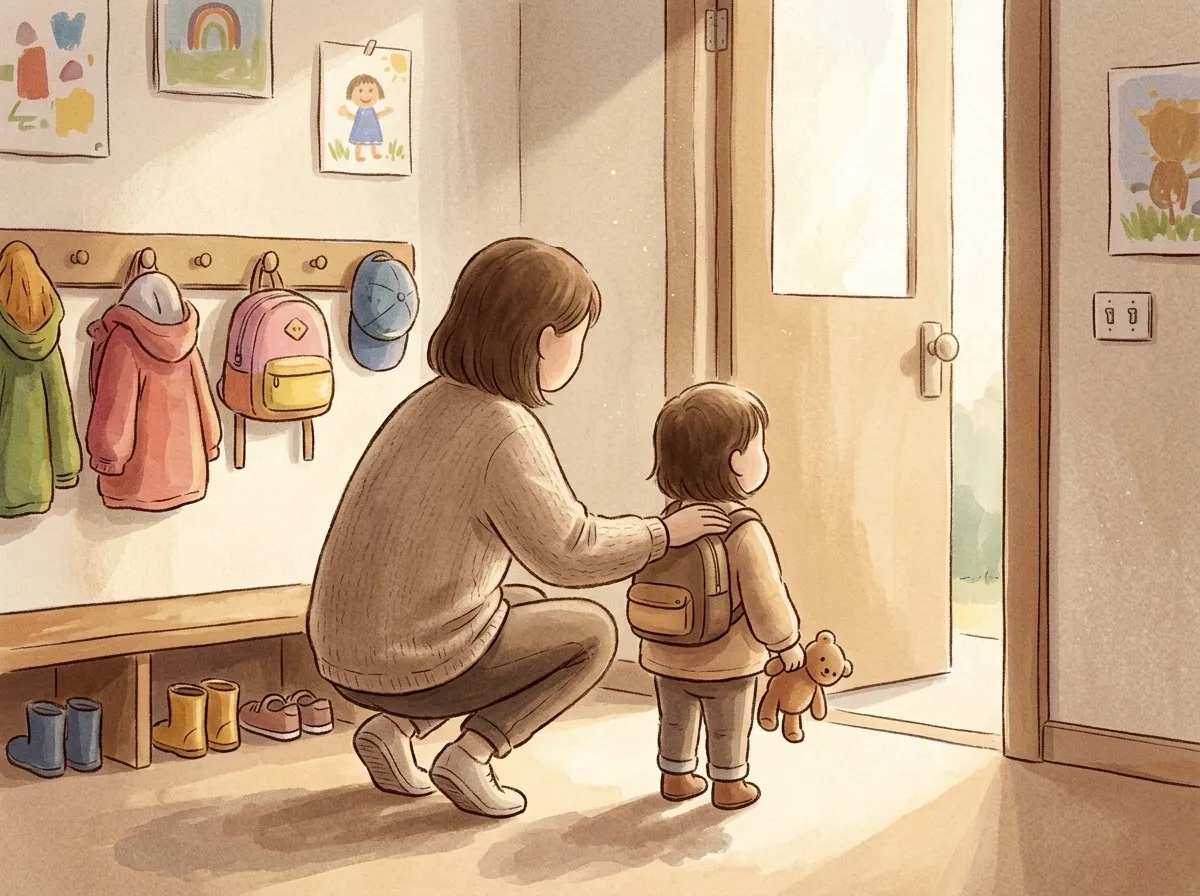
Personalised books for children starting preschool: making the first goodbye survivable
A personalised book with your child's face turns the first preschool goodbye into a story they can point to, talk about, and return to.
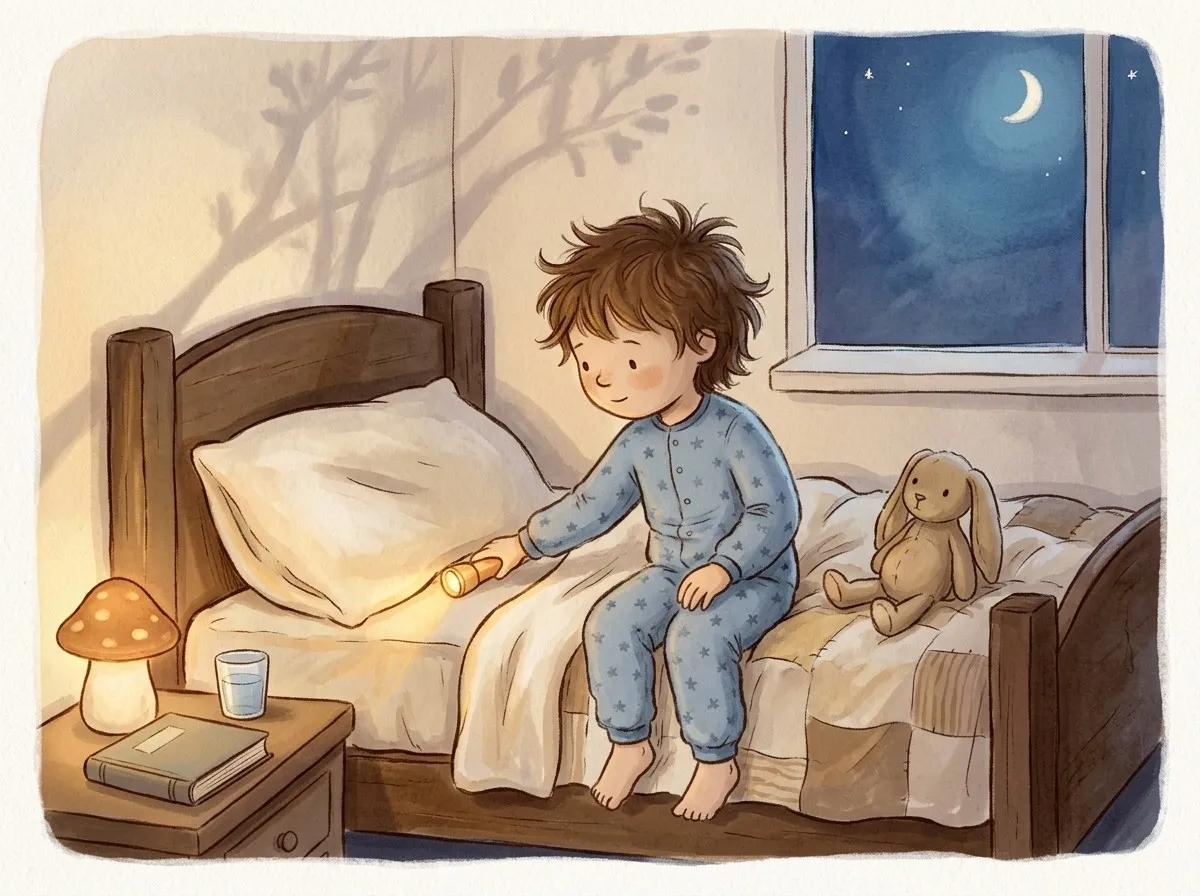
When Your Child Is Afraid of the Dark, a Personalised Book Can Light the Way
A gentle bedtime story where a child sees their own face become the hero who tames the dark.
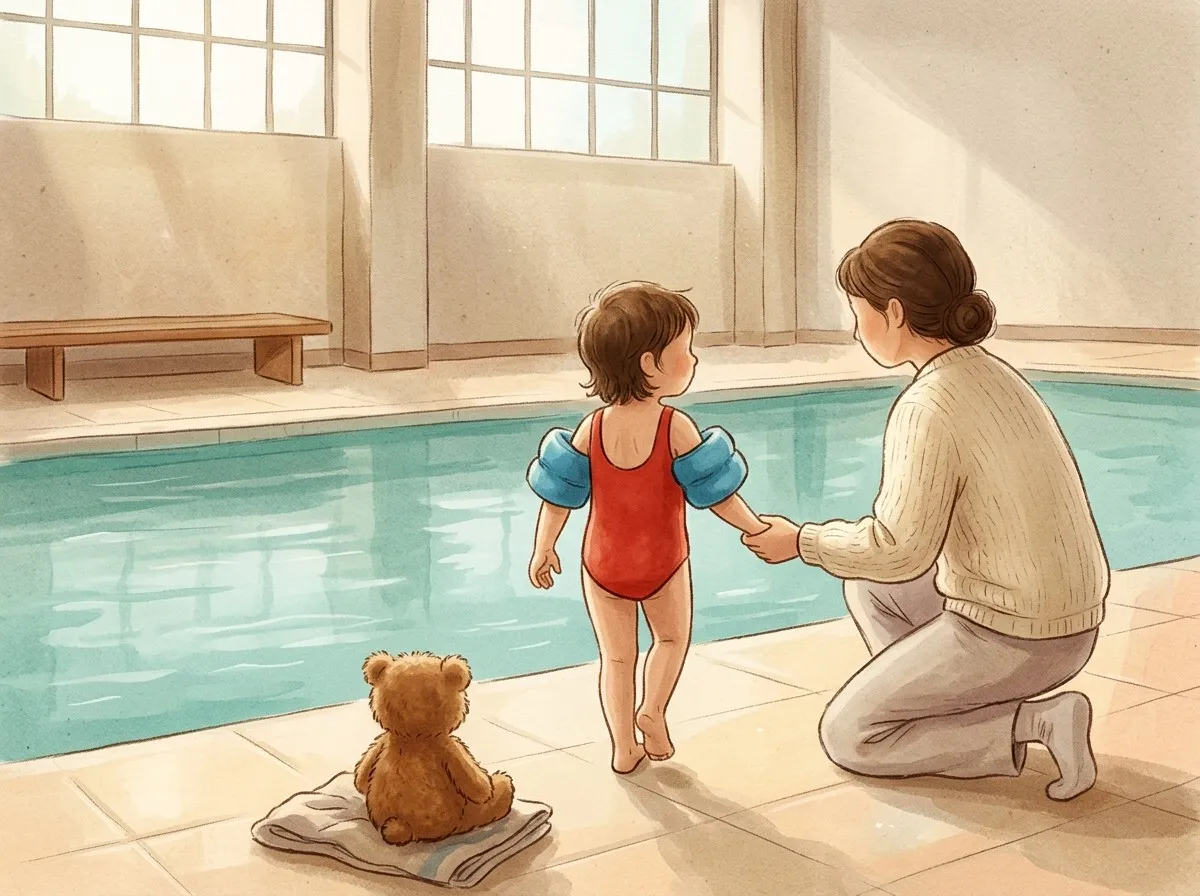
Personalised books for children starting swimming lessons: start with the worry, not the wet hair
Personalised books for children starting swimming lessons turn first-pool nerves into quiet confidence by letting a child see their own familiar face.