

A Screen Free Bedtime Routine for Kids: The Quiet Anchors That Work
A screen free bedtime routine protects the last hour with quiet anchors like a warm bath and a personalised story that helps children settle.
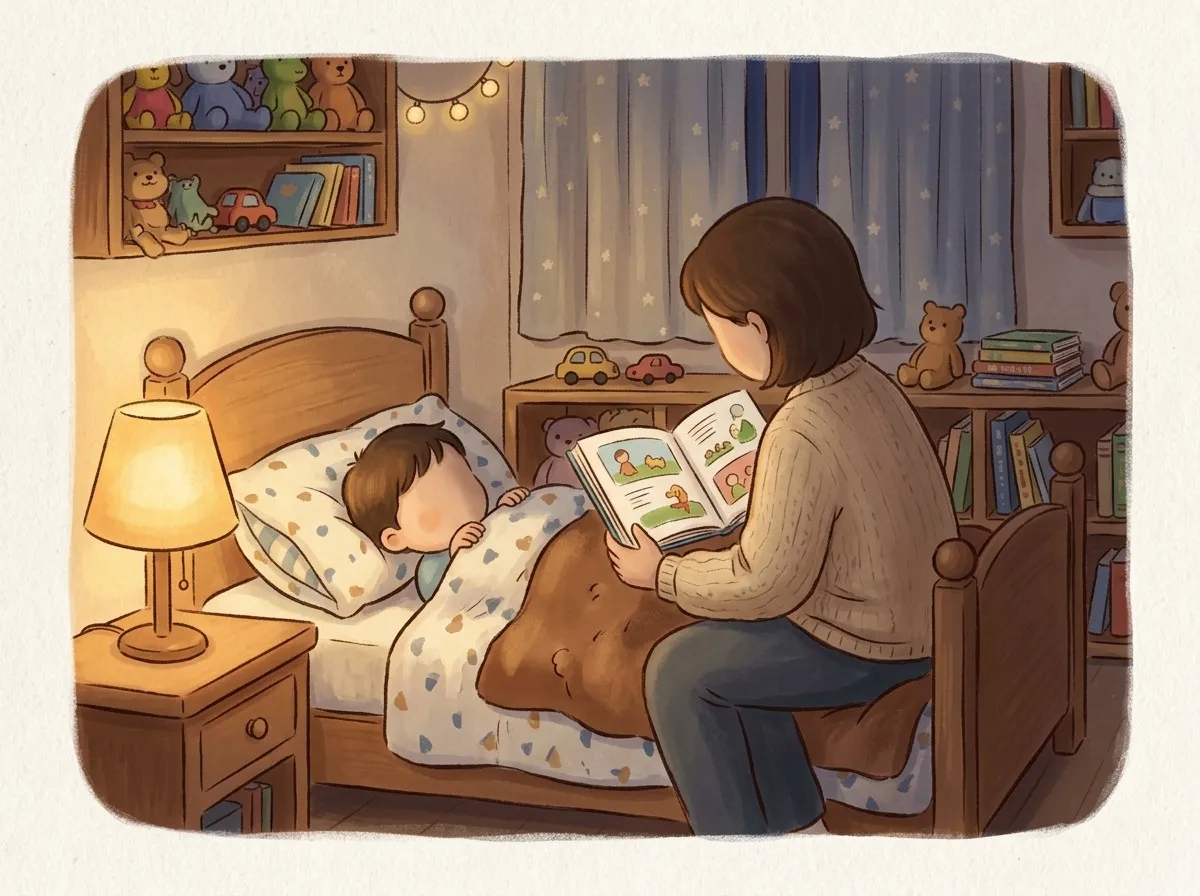
You have already done the hard parts: bath, pyjamas, teeth. Yet the last stretch still unravels because a small person is tired but wired. A screen free bedtime routine for kids is not about perfection; it is about protecting that final hour so the body and brain can shift down a gear.
Why the last hour before bed matters more than you think
Screens make winding down harder because they are built to keep attention, not release it. A game levels up, a show cuts to the next scene, an app pings. That steady pull leaves many children in a watch-and-wait state, which is the opposite of the dim, quiet rhythm bedtime needs. Even calm-looking screen time still involves brightness and movement that can delay the feeling of being ready to sleep.
A screen-free hour gives a child something else: a predictable sequence that says the day is closing. The bath is done. The lights are low. The same voice is reading. The room is still. Many parents find this is the piece that was missing, because the child finally has time to notice they are tired instead of being kept awake by the next thing on a device.
You may not see a change on the first night. Give it a week. Many parents say their child stops bouncing back out of bed, asks for fewer extra drinks or trips to the loo, and drops off more quickly. A familiar story can anchor that final ten minutes, whether it is a favourite from the shelf or a bedtime story idea where the child is the main character.
The quiet anchors of a screen-free routine
A warm bath warms the skin. After you lift a child out and wrap them in a towel, the body’s core temperature dips a little. Many parents notice that this gentle drop helps a child feel drowsy. Keep the soak brief and calm, not a splashy play session. A handful of bubbles is enough.
Soft pyjamas come next. The feel of familiar brushed cotton or fleece tells a child the rough-and-tumble part of the day is finished. Letting a toddler choose between the digger pyjamas and the moon ones gives a small sense of control in a sequence where you run the rest of the show.
Low lighting is your quietest ally. Switch off the ceiling light and turn on a warm bedside lamp at least thirty minutes before you want sleep. A dim, amber glow tells the body it is evening, while the blue-white glare from a tablet does the opposite. Many parents find their child grows calmer and yawns sooner once the big light goes off.
A consistent order of events removes guesswork. Bath, pyjamas, one story, lamp off, kiss goodnight. A four-year-old cannot read the clock, but she knows that after the story the room goes dark. When the steps stay the same every night, a child’s brain learns to release sleepiness at the same points in the routine.
The final anchor is a predictable end. For many families that is a book. A short story with a clear close gives the brain permission to switch off. When the story ends, so does the day. A personalised bedtime tale where the child is the main character can signal that the adventure is complete and it is time to rest. No second story, no exception. That gentle firmness is the part children come to rely on.
The bedtime story that sees them
A familiar book can close the day gently. But a story where your child is the main character does something more: it tells them this moment is entirely theirs.
CubFable lets you turn a story idea into a book built around one child. You pick the tale, enter their name and a few of their details, and you can upload a photo so the illustrations carry their own smile and the exact shade of their hair. Before any drawing begins, you read the text and approve it. Nothing appears on the page you have not seen first.
The finished book is ready to read on screen as soon as it is generated, so tonight’s bedtime does not have to wait. Many parents find a personalised adventure like Goodnight, Little Moon or The Torch Under the Pillow becomes the one their child asks for every night. The story opens, the child sees themselves stepping into a calm, moonlit world, and the day’s need for stimulation softens.
What happens when the story knows them
A child who hears their own name in a quiet bedtime tale often settles faster. They listen more closely. They follow the character who looks like them right into the land of sleep, because the story feels like it was always meant for them.
browse the bedtime story ideas
Picking the right story for their age (and mood)
The book that works tonight depends on two things you know better than any catalogue: how old the child is and what kind of day they have had.
A two to four year old needs pages that turn quickly. A three year old will sit still for about eight pages before their attention drifts, so a story like Goodnight, Little Moon works beautifully. Its gentle rhythm matches a toddler’s wind-down pace and the soft bedtime theme gives permission to yawn. For the wriggly child who still needs a nappy change before lights-out, The Potty With a Bell Inside turns a familiar moment into quiet encouragement without becoming a lesson.
Between four and six, a child can follow a longer thread and often wants one. The Torch Under the Pillow plays on that age’s love of a small secret kept safe in the dark. The story feels adventurous but ends warmly, which suits a child who resists bedtime because they are not quite ready to let the day go. For a five year old buzzing from a busy afternoon, The Lantern That Wouldn’t Light offers a problem to solve without raising the stakes too high.
Older children, seven and up, can hold a plot across chapters. They still want closeness, but they want substance too. A story like The Library Between Worlds gives a curious eight year old something to think about after you close the book, while Codebreakers of Copper City suits the ten year old who would rather crack a puzzle than be tucked in.
Mood matters as much as age. The child who climbs into bed wound tight needs a story that descends, not one that climbs. The child who needs a cry might do better with The Second-Newest Kid, where the small ache of being new is held and named. You will know within two pages whether you chose right.
When the routine wobbles (and it will)
No routine survives every season. Travel, a night at a grandparent’s house, a child who treats bedtime as a negotiation: the quiet anchors you use at home need to travel, and they travel better than you think.
- On holiday: pack the book, a familiar nightlight and the same short sequence of steps you use at home. A strange bedroom feels less strange when the story is exactly the same.
- At a grandparent’s house: rules might soften and supper might run late, but the same story, read by Gran or Grandad, still signals that the day is closing. Let them become part of the rhythm instead of replacing it.
- When a child keeps getting out of bed: walk them back without big reactions. Offer to read just one more page of the familiar story. The message is steady: the day is finished, you are safe, this quiet moment still holds.
What stays constant is the story that stars them. A book in which they see their own face and hear their own name becomes a portable piece of home. Many parents find a personalised tale like Goodnight, Little Moon or The Torch Under the Pillow settles a child faster in an unfamiliar room than any screen ever could, simply because it is theirs. The child opens the page, recognises themselves, and the wobble softens into the same steady close they know.
browse the bedtime story ideas that travel light and hold firm, wherever the night finds you.
Frequently asked questions
How do I build a screen free bedtime routine that works?
Start with a consistent order: warm bath, soft pyjamas, low amber lighting, one story and a kiss goodnight. Stick to the same steps every night so your child's brain learns to expect sleep after the story. A familiar, short book like a personalised tale helps signal that the day is finished.
What kind of books work best for a screen free bedtime routine?
Short, calm stories with a clear ending work best. For toddlers, choose books with quick pages and a gentle rhythm. Older children enjoy a longer plot that resolves warmly. A personalised book where the child is the main character often settles them faster because it feels meant for them.
Make one for your own little hero
Pick a story idea, add your child, and we print and post the finished book.
Browse story ideasKeep reading

Personalised books for 5 year old girls that she'll read until the spine goes soft
A story where the heroine has her name, her face and her own quiet courage is the one she reaches for night after night, long after the plastic toys are forgotten.
Personalised books for 1 year olds: what actually holds a baby’s gaze
A one-year-old needs faces, rhythm and familiar things more than plot, and the right personalised book can grow with them past the first candle.
Why personalised books for toddlers with photo are the ones they reach for first
A toddler who spots their own face in a story will sit through every page, pointing at their illustrated self long before they can read a single word.