

Why personalised books for toddlers with photo are the ones they reach for first
A toddler who spots their own face in a story will sit through every page, pointing at their illustrated self long before they can read a single word.
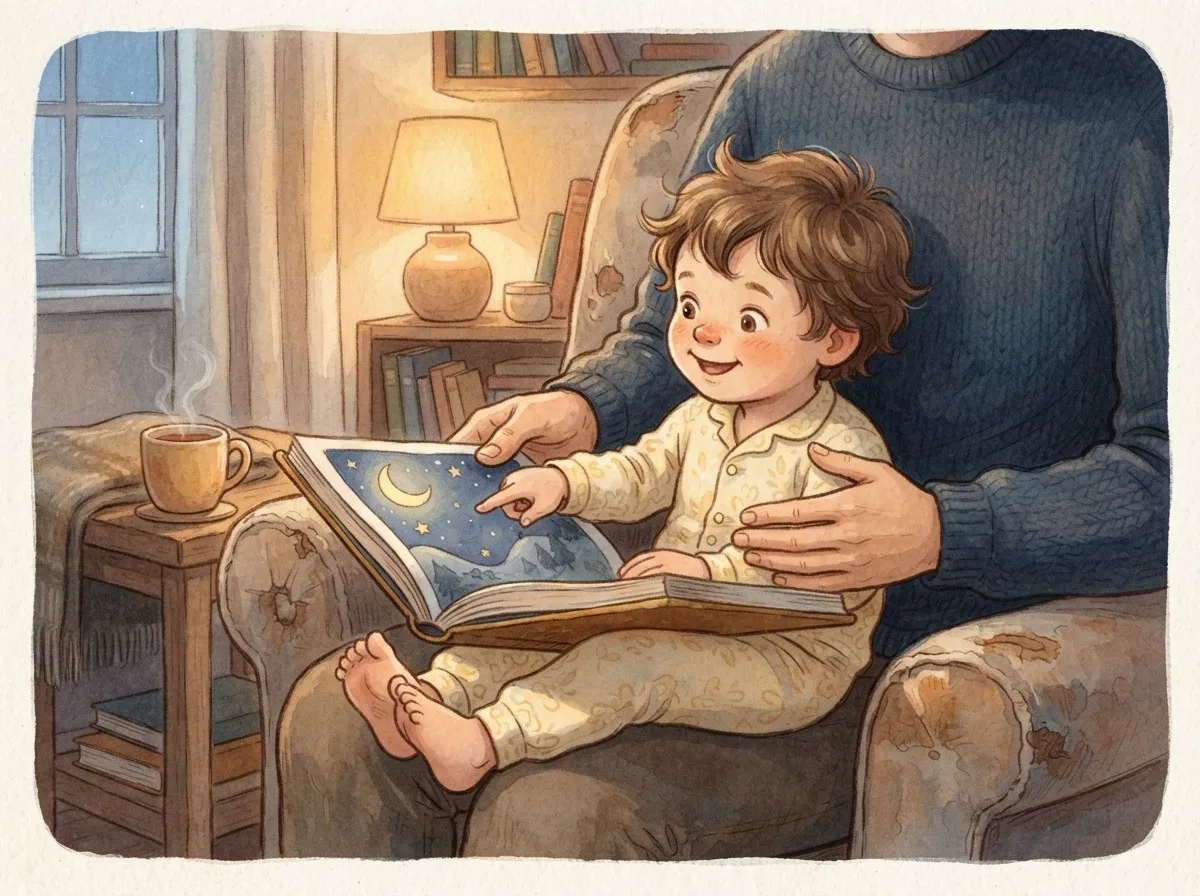
If your toddler has ever hijacked a family photo album and demanded you name every person on every page, you already know what happens when a small child spots themselves in a picture. That glint of recognition is what makes personalised books for toddlers with photo so hard to resist, long before they can read a single word.
Why your toddler keeps reaching for the book with their face in it
Sometime around age two, a quiet but enormous shift takes place. A toddler who used to wave at the baby in the mirror suddenly touches their own nose and grins. They have pieced it together: that face is mine. Self-recognition is a genuine developmental leap, and it brings with it an appetite for seeing their own image that can feel almost magnetic. Many parents notice that a book carrying the child’s own face holds attention far longer than a generic picture book ever did.
That is where a CubFable photo-personalised book lands squarely in a toddler’s sweet spot. You choose a story idea that suits their world right now, something like Goodnight, Little Moon for a calm bedtime or The Very Busy Digger if they are machine-mad. You enter their name, a few details, and a photo. CubFable then draws them straight into the illustrations, not as a floating cut-out head but as the proper main character of the tale. The result is a book that works like a mirror on every spread.
No screens, no animations, no pinging notifications. Just a solid, bound book with a face they know intimately. A two-year-old who would normally squirm off a lap after three pages will often sit through the whole story, pointing at their own illustrated self turning the page. That kind of engagement is hard to come by without borrowing a tablet, and it builds a gentle habit of book time that can last well past the toddler years. When you see them reach for it again and again, you are not just watching a child enjoy a story. You are watching a small person recognise themselves right in the middle of it.
browse the story ideas for ages 2 to 4 and find one that matches your toddler’s current favourite thing.
Picking a story that fits a two-year-old’s bedtime
Once you have seen a toddler lock eyes with their own illustrated face, the next question is which story will hold them on your lap the longest. For a two-year-old, the answer is a plot that feels like a warm, familiar blanket.
The stories that work best at this age are short and rhythmic. A three-year-old will sit still for about eight pages, but push past twelve and you risk losing their attention. The text needs a gentle, musical cadence that a tired child can follow without effort. Rhyme helps, but a steady, lulling rhythm matters more.
Everyday settings and familiar objects anchor the tale in a world they already know. A bedtime book that moves from toothbrush to pyjamas to a goodnight kiss mirrors the child’s own evening, and that predictability is exactly what toddlers crave. Many parents find that stories about bedtime, playrooms, or home routines become the ones their children ask for night after night, because the repetition feels safe and satisfying.
Gentle humour has a place too, provided it is the sort that makes a small person smile rather than burst out laughing. A soft chuckle about a misplaced teddy or a backwards pair of slippers can lift the mood without breaking the sleepy spell. CubFable’s toddler titles lean into this balance. Goodnight, Little Moon walks a child through a calm, rhyming wind-down, with the moon and stars as companions. Teddy’s Turn to Share unfolds in a playroom with friends, toys, and the small, daily negotiations that a two-year-old already understands.
When the child’s own face appears inside these familiar scenes, the connection deepens. Instead of a generic character going through the motions, it is their self brushing their teeth, snuggling their teddy, waving goodnight. That makes the book feel like part of the routine itself, rather than a story that happens to someone else. You can browse the bedtime story ideas to find one that fits your toddler’s evening rhythm.
The photo: how it goes from your phone to the page (and why preview is worth it)
The photo you upload does more than sit inside a frame. It becomes the reference for every illustration of your child. So the clearer the starting image, the more the finished book feels like them.
Pick a photograph where the face is fully visible, looking straight at the camera or slightly turned, with no hand, dummy, or hair covering the eyes. Strong, indirect daylight works better than a dim kitchen or a flash that flattens the features. Snap without a phone filter. The artist needs to see real skin tone, real eye colour, and the little things like the exact shape of a fringe or a missing front tooth. Many parents find that a quick photo taken against a plain wall on a bright morning gives the most faithful result.
Not all personalised books handle your photo the same way. Some services drop a single photograph into a cut-out window on one page, leaving the rest of the book illustrated with a generic character. Others, like CubFable, let the uploaded image guide every character illustration throughout the whole story. That means your child appears on every spread, in every scene, drawn directly into the action, not swapped into a pre-made slot. The difference is the feeling that the book was built around one particular small person, not adapted to fit them later.
That level of personalisation makes a proof step feel essential. With CubFable, you see the full story text for approval before any illustration is drawn. You can check the child’s name, the hair description you gave, and the rhythm of the sentences, and ask for a change if something feels off. Only after you say yes does the artist start work. It spares you the quiet disappointment of unwrapping a finished book and spotting a detail you wish you had caught. The result matches the picture you held in your head from the moment you began.
Hardcovers, sticky fingers, and why the binding matters for keepsakes
A book given to a toddler lives a double life: it is a bedtime companion and a teether, a lap-time story and a drum. Sticky fingers, a stray yoghurt smear, or the full weight of a small bottom are all part of its early years. A paperback spine rarely survives that season. A hardcover with a sewn or glued binding spreads flat on the floor, tolerates being pulled from a shelf by the corner, and stays readable after a dozen dropped readings.
Paper weight matters just as much. Thin pages catch on enthusiastic little thumbs and tear before the second verse of a rhyme. Heavier, uncoated stock gives just enough resistance to help a two-year-old practise turning pages without disaster. A glossy cover can be wiped clean with a damp cloth after a jammy handprint, while a paperback cover absorbs it forever.
Many parents treat the personalised book as a read-along treasure, holding the book and turning the pages themselves until the child is gentler. Sturdy binding means the story survives into the preschool years when small hands learn to be careful. CubFable’s books are printed and bound as hardcovers, so the tale of their own face in a story like Teddy’s Turn to Share or Goodnight, Little Moon stays intact long past the toddler phase. A well-made book isn’t precious in a glass cabinet way; it is the kind that can be loved hard and still handed on.
When CubFable puts the child on every page
You start by browsing the story ideas on the CubFable site, where every tale is sorted by age and theme. For a two-year-old, stories like Goodnight, Little Moon or Teddy’s Turn to Share run just the right length. Older children might lean towards Captain Coral and the Missing Pearl or The Clockmaker’s Secret Map. Once you have chosen, you enter the child’s name, a few details—hair colour, eye colour, perhaps a favourite top—and upload the photo you prepared earlier.
Before a single brushstroke goes down, the full story text appears on screen with the child’s name threaded through. You read it, check the rhythm, and confirm (or ask for a tweak). That approval step means the illustrations that follow are built around words you already like. After the artwork is finished, the book is printed, bound as a hardcover, and posted. While you wait, you can still share the story: every book can be read on screen as soon as it is generated, so bedtime doesn’t have to pause.
The site works in eight languages—English, Spanish, French, German, Italian, Portuguese, Turkish and Arabic—so families can order a book in the language they read aloud. Because the stories suit roughly ages two to ten, you can return as the child grows, picking a more complex plot later. There is no rush to decide today; you can browse the story ideas without choosing, just to see which little adventure chimes with the child you have in mind.
Frequently asked questions
What kind of photo works best for a personalised toddler book?
Choose a clear photograph where your child's face is fully visible and looking towards the camera, with no hands, dummies or hair covering the eyes. Soft daylight against a plain wall gives the most faithful result. Avoid phone filters and flash, because the artist needs to see real skin tone, eye colour and small details like a fringe or a missing tooth.
What age range suits a CubFable personalised book?
CubFable stories suit children from roughly age two up to ten. For toddlers, shorter, rhythmic tales like Goodnight, Little Moon or Teddy's Turn to Share run about eight pages and hold a two-year-old's attention. Older children can choose longer adventures with more complex plots, so you can return as they grow.
How long does it take to receive a personalised photo book from CubFable?
After you approve the story text, an artist illustrates your child into every page. Once the artwork is complete, the book is printed and bound as a hardcover before being posted. While you wait, you can read the finished story on screen straight away, so bedtime does not have to pause.
Make one for your own little hero
Pick a story idea, add your child, and we print and post the finished book.
Browse story ideasKeep reading
Personalised books for 5 year old girls that she'll read until the spine goes soft
A story where the heroine has her name, her face and her own quiet courage is the one she reaches for night after night, long after the plastic toys are forgotten.
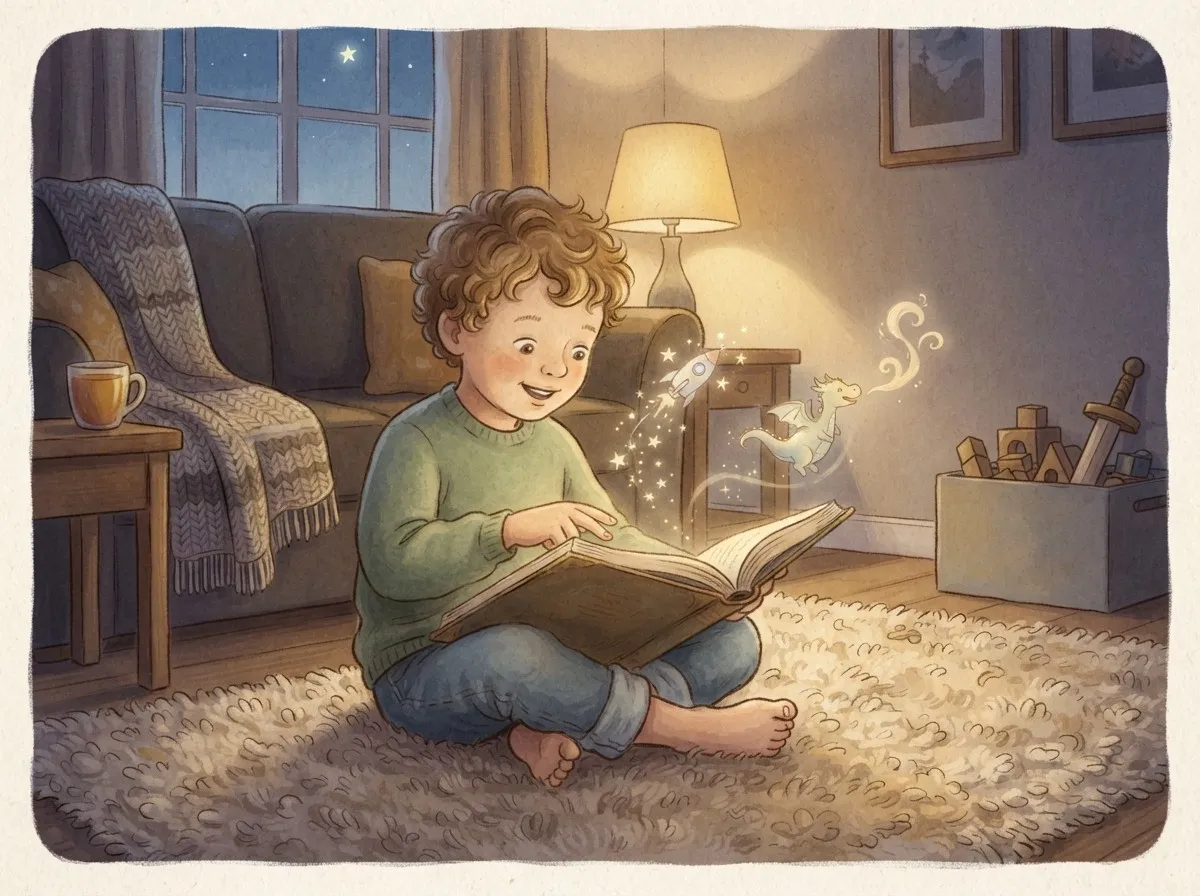
Personalised Books for 5 Year Old Boys: A Guide to Stories That Get Read Twice
To find personalised books for 5 year old boys that become bedtime favourites, look for stories that give him a real mission, with his own name and face inside.
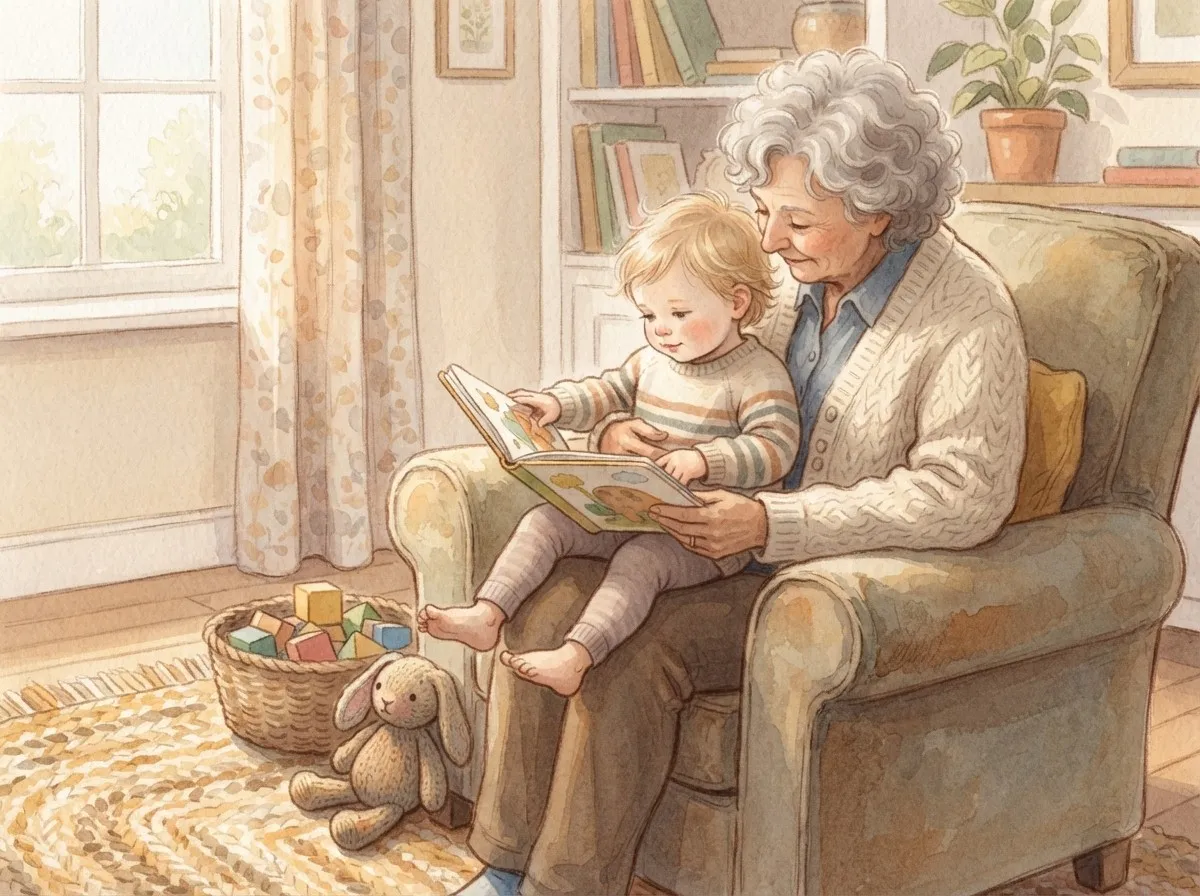
Personalised books for 1 year olds: what actually holds a baby’s gaze
A one-year-old needs faces, rhythm and familiar things more than plot, and the right personalised book can grow with them past the first candle.