

The Nursery Book That Already Stars Your Child
Books for children about starting nursery, personalised with their name and face, so the first day feels familiar before it begins.
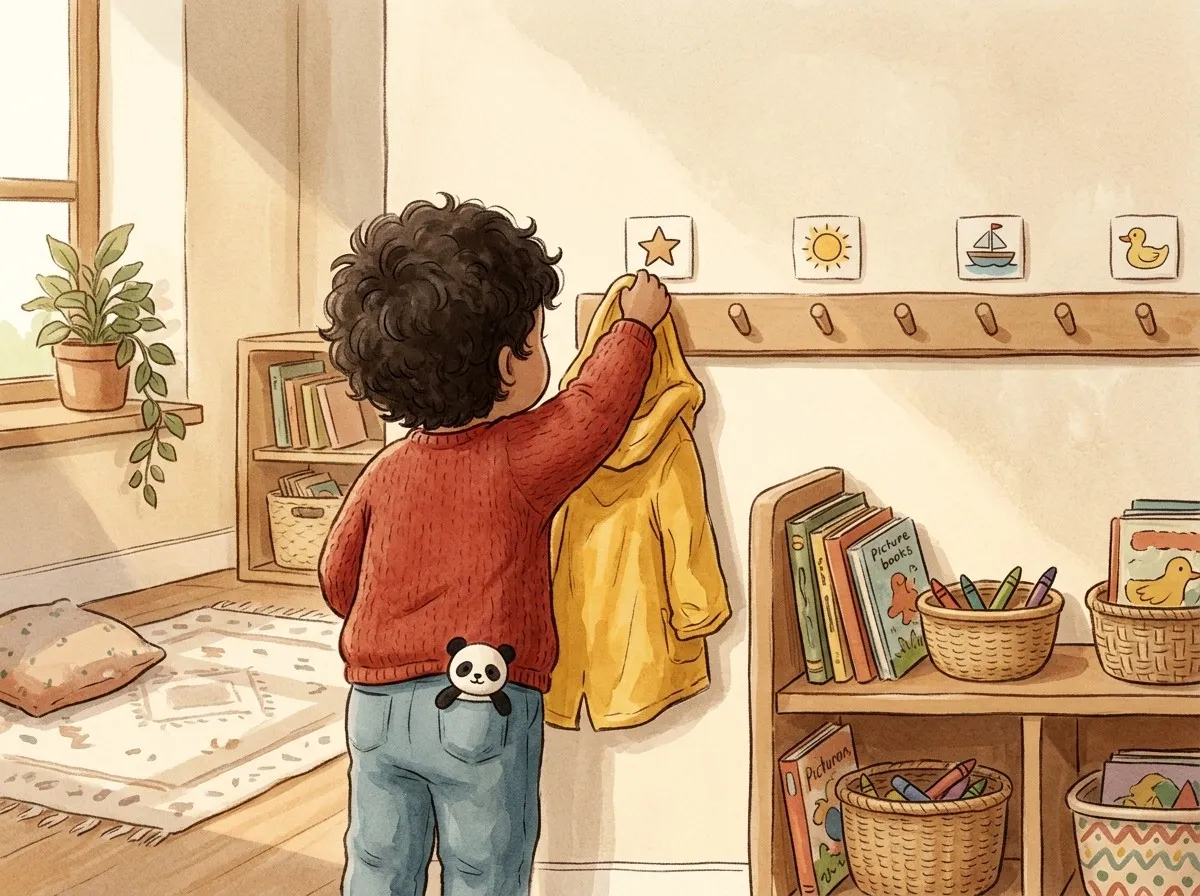
The first day of nursery can feel as big for you as it does for your child. You have probably already searched for books for children about starting nursery, hoping for something that will take the edge off the morning. A well-chosen story does not magic away the nerves, but it does something quietly clever: it hands a small child a script for an experience they have not yet had.
Why a book works before the first day
A nursery setting is a blur of new sounds, new faces and new rules. A story slows that blur down. It lets a child visit the coat pegs, the snack table and the carpet corner long before they walk through the actual door. Seeing a character hang up a little rucksack or find their named water bottle builds a mental map. By the time the real day arrives, the room feels less like a foreign country and more like a place they half-know.
Stories also give language to feelings a two- or three-year-old cannot yet name. The tummy flutter, the clutch of missing Mum, the curious buzz of watching another child dig in the sand tray — a book can label these gently. “He had wobbly legs, just like you sometimes do” is a sentence a child can hold onto. Many parents find that reading together opens a door to questions that would not come out at the breakfast table. A cuddly toy can sit nearby while you read, ready to be handed over when the page hits a tricky bit.
When the child in the story shares your little one’s name and even their own face, the preview becomes personal. CubFable makes that possible: you enter a child’s details, approve the text, and a printed book arrives starring them. You can browse the story ideas and choose a tale that mirrors the nursery routine — coat pegs, circle time, making a friend — so the first day feels like the next chapter, not the first one.
What to look for in a starting-nursery book
When you are choosing books for children about starting nursery, length matters as much as story. A tired two-year-old will often sit through about five minutes of reading. Eight or ten pages with one clear event per page are usually plenty. If your child is nearer four, a few more pages can work, but the ending should arrive before the wriggles do.
Pictures should show the real shape of the day, not a blur of happy faces. Look for coat peg, hello time, play, snack, a carpet story and then home. If your nursery has a garden or a rolling snack routine, a book that includes those beats gives your child something concrete to rehearse.
Notice how the story treats the wobbles. A useful book names them without making them scary. A character may say "I want my mum" or hang back at the sand tray, then find a way in. The tone should stay warm and low-key. Many parents find children borrow those words later, when their own uncertain moment arrives.
CubFable lets you add your child to that rehearsal. You pick a story idea, enter their name and details, upload a photo if you wish, and approve the text before any illustration is drawn. You can browse the story ideas to find one that matches the nursery routine your child is about to meet.
A book that already knows their name
CubFable’s personalised books take the nursery rehearsal one step further: the child on the page is clearly your child. You pick a story idea, enter their name and details, and upload a photo if you want the illustrations to echo their face, hair and favourite jumper. Before any illustration is drawn, you approve the text. The finished book is printed, bound and posted, and you can read it on screen as soon as it is generated.
For a nursery-aged child, the best story ideas are the small, close-to-home ones. Teddy’s Turn to Share puts your child in a playroom moment with a soft toy, a friend and a turn-taking puzzle. Nora’s First Big Splash is useful if trying something new feels bigger than the water itself. The Little Door in the Hedge lets a child be brave at their own pace, with a garden discovery that feels just the right size.
The process is straightforward. You enter the name, choose the details that make the character recognisable, and add a photo if you like. The story text appears for approval before artwork, so you can check the tone suits your child. Then the book is printed, bound and sent out.
The child who opens that cover before the first nursery morning sees a familiar face having a go at an unfamiliar day.
The kind of story your child will hear themselves
A general nursery book gives your child a character to watch. The character hangs up a coat, sits for a story, misses home and finds a friend. That can be useful, but it keeps your child in the audience.
A CubFable book works differently. In these personalised storybooks, your child is the main character. Their name runs through the text, and if you upload a photo, the illustrations echo their face, hair and the sort of clothes they actually reach for. Nursery stops being a place that happens to other children. It becomes a place that already has a space for them.
You do not have to choose one type. Many parents find the combination works best. Read a universal picture book once or twice to introduce the routine, then read a personalised story so your child can hear themselves doing the same things. The first gives words, the second gives belonging.
For a child of two or three, this matters more than it seems. Many parents find small children can struggle to imagine themselves inside a story. They know the bear had a wobble, but they do not always connect it to their own coat peg. When the illustrated child has their face and their name, the link is easier. The nursery day feels less abstract because it already includes them.
If you are choosing for this age, browse the story ideas and start with the small, home-shaped worlds. Milo Finds His Mittens and The Garden's Tiny Parade feel close to what a nursery morning asks, with just enough novelty to make the first day feel manageable.
How grandparents can pick the right one
Choosing from a distance means you cannot flip through pages in a shop. The details that matter most are the ones only the parents can give you. A quick call or message is all it takes.
Ask for the name the nursery uses for itself. It might be "Acorns Room" rather than "Little Learners Nursery", and getting that right makes the story feel true. Ask for the key worker's name too, if one has already been assigned. Then ask what the child calls their favourite soft toy, what colour their coat is, and whether they take a packed lunch in a particular lunchbox. These small specifics can be slipped into the personalisation fields so the finished book feels like it was written just for them.
One other thing worth knowing: you do not need to time the book to arrive the night before. Many grandparents send it two or three weeks early, giving the child time to read it on screen the moment it is generated and then in print as the day approaches. A book that lands early becomes a gentle countdown rather than a last-minute surprise. The child sees themselves in the nursery world long before they stand at the gate, and by the time the first morning arrives, the place already feels partly known.
If you want a story that nudges gently towards the nursery routine without being overt about it, The Peg That Knew Your Name and The Second-Newest Kid both sit in a school-like world while keeping the story small and warm.
Frequently asked questions
How do books help a child prepare for starting nursery?
A book gives a child a script for an unfamiliar experience. It lets them visit the coat pegs, snack table and carpet corner long before the first day. Seeing a character do what they will do builds a mental map and gives words to wobbly feelings, making the real morning feel less foreign.
When should I give my child a personalised nursery book?
Two or three weeks before the first day works well. This gives time to read it together several times, on screen when the story is generated and in print. The book becomes a gentle countdown, helping your child see themselves in the nursery world so the place already feels partly known by the time they arrive.
Make one for your own little hero
Pick a story idea, add your child, and we print and post the finished book.
Browse story ideasKeep reading
Books to Help a Child Move to a New House: Stories That Meet Your Child Where They Are
The best books for moving house meet your child exactly where they are, giving feelings a name and gently nudging the wobble forward.
The Best Books for Children About Moving to a New School
A steady, practical guide to picture books and chapter books that help children face a new school with a little less fear.
A Pet Care Story That Turns Your Child into a Gentle Little Carer
A personalised pet care story puts your child’s name and face into a gentle tale of feeding and kindness, turning story time into a lasting lesson.