

A Pet Care Story That Turns Your Child into a Gentle Little Carer
A personalised pet care story puts your child’s name and face into a gentle tale of feeding and kindness, turning story time into a lasting lesson.
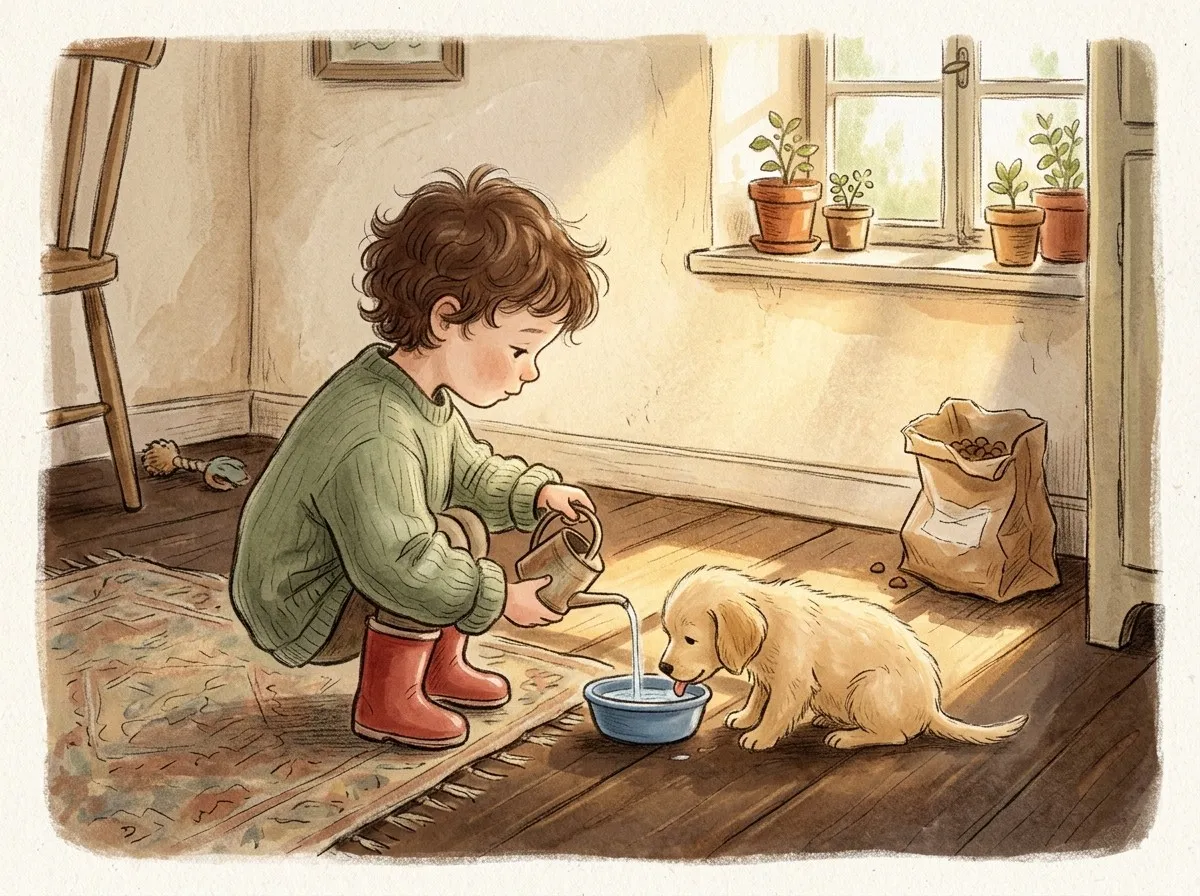
You want a gift that does more than sit on a shelf. A personalised pet care story for kids turns a child’s natural love of animals into a lasting lesson in gentleness.
Why a story about looking after a pet sticks with them for years
When a child sees their own name and face on the page, they stop being a spectator. They are the one holding the lead, filling the water bowl, speaking softly because the puppy needs quiet. That shift from observer to carer is what makes the message stick. Many parents find the child mirrors that care at home, long after the book is closed.
Narrative does the teaching quietly. Instead of a list of rules, the story wraps feeding, walking and gentleness inside a small adventure. Your child might help a new pet settle in, or notice when a furry friend is tired. The actions become theirs, not instructions. A three-year-old will sit still for about eight pages of a story that stars them. And because CubFable lets you upload a photo, the illustrated child really looks like your child, even down to the favourite jumper.
That is why many families find a pet-care story becomes a touchstone memory. The book is read so often the spine softens. Years later, you hear your child say, “That’s the story where I learned to look after...” and you realise the lesson arrived through a tale where they were the main character. You can browse the new pet story ideas to find one that feels like it was written just for your family.
Seeing their own face as the one filling the water bowl changes everything
A generic drawing of a child patting a dog is easy to forget. A picture of your child, same hair, same face, same favourite jumper, holding the scoop is different. The task becomes theirs. It is no longer “someone should fill the bowl” but “that is me, and I am doing it.”
This visual anchor makes pet care feel me-sized. When the illustrated child kneels to clip on the lead or checks the water bowl, the real child can copy the action without having to translate it from an imaginary character. Many parents find that seeing themselves scoop the kibble in a story lowers the step between story time and real life. After a few reads, a child often walks to the kitchen and wants to do the same for the family pet.
It also builds ownership. The child is not being told what to do; they see themselves already doing it. That is a quieter, kinder way to build empathy. They notice the pet’s empty bowl because, in the story, their own character noticed it first. They speak gently because, on the page, their own face showed a calm, quiet carer. The care stops being an abstract rule and becomes a familiar action.
That is why photo-personalisation matters beyond the cover. CubFable turns that uploaded photo into illustrations, so the match feels like the child stepping onto the page wearing their own grin. It closes the gap between the child on the cushion and the child in the story. The task is no longer something a made-up character did once. It is something your child can already picture themselves doing, because they have just watched their own hands do it in the book.
Picking a pet care tale that matches what they can actually do
| Age range | Readiness | What suits |
|---|---|---|
| 2-4 years | Snuggling a soft toy, listening to a handful of pages. | A short, cuddly pet tale where kindness is the whole plot. A story that feels like a favourite toy come to life. |
| 4-6 years | Naming routines, copying simple care steps. | A tale that walks through filling the water bowl, speaking softly and “my turn” moments without any pressure. |
| 5-7 years | Following a pet’s arrival from name to first walk. | A full arrival adventure like The Puppy With No Name Yet, where your child chooses the name, scoops the kibble and clips on the lead for the first time. |
| 8-10 years | Imagining independence and loyalty. | An adventure plot with a faithful animal sidekick that mirrors their own growing world, from exploring a wood to solving a mystery together. |
The new pet story collection gathers these threads in one place, so you can pick a tale that lands at exactly the right pitch for your child’s hands and heart. A two year old is not ready for a first-walk checklist, and a seven year old would outgrow a páge of pat-pat-pat. Matching the story to their real ability is what turns it from a wish into something they genuinely do.
You can browse the new pet story ideas to find a fit that meets your child where they are right now.
When reading it together becomes a dress rehearsal for feeding time
The pages of a personalised pet story do more than tell a tale. They become a script. You read a line about filling the water bowl, and suddenly your child is off the sofa, carrying a plastic cup to the kitchen. They already know the bowl is empty because they saw their own character notice it. You did not have to ask.
Many families use the book as a low-stakes run-through before the real animal arrives. You can pause on a picture of kibble spilling and talk about mess without a real mess in front of you. “What might we do if that happened at our house?” A rolled-up piece of kitchen towel becomes a prop. The worry shrinks because you are practising, not fixing.
The story also gives children a voice to borrow. In The Puppy With No Name Yet (for ages 5 to 7), the character speaks to the new dog in a gentle, steady way. Your child hears you read those words, then tries them out in their own voice. The quiet “hello, boy” that lives on the page becomes the one they whisper to the basket later. They rehearse the hands too: an open palm for smelling, a calm stroke along the back. The book turns a set of instructions into a memory their body already has.
Parents often say this rehearsal made the first real days noticeably calmer. The barking that might have startled was half-expected because they’d talked about it with the book open. The scooping of kibble felt familiar, not foreign. When the pet finally arrives, the child is not meeting a stranger. They are stepping into a story they have already lived a dozen times, with you right beside them.
Your child’s name, their puppy, their story – inside a proper book at the door
The process starts in the quiet of the evening, after bedtime, when you have ten minutes to yourself. You open the new pet story ideas and choose the tale that fits. The Puppy With No Name Yet for a child brimming with name ideas. A gentler option for a two year old who simply needs to practise a soft hand. You pick the one your child is ready for right now.
Then you type their name. The one you call across the playground, the one written on their school bag. You add a few small details: hair colour, the way they smile, whether they favour red wellies or bare feet in the garden. You upload a photo. Not a studio portrait, just a snap that catches how they really look when they are paying no attention to a camera at all. That photo guides the illustrator, so the character on the page has the same crooked fringe, the same chin-tilt of concentration.
Before a single pencil stroke lands on the page, the whole story text appears on your screen. You read it through at your own pace. You check that the words feel like your child, that the tone sits right, that nothing feels forced or foreign. You approve it. Only then does the drawing begin.
A printed, bound hardcover lands at your door, addressed to your child. Proper paper, a spine that creaks on first opening. And because children do not always understand the word later, the story is also ready on screen the moment it is generated. No waiting for the postman when a small person is tugging at your sleeve to see their very own puppy adventure right now.
Frequently asked questions
What age is a personalised pet care story suitable for?
From age two upwards. A short, cuddly tale suits toddlers, while an older child enjoys a fuller adventure like choosing a puppy’s name and learning to fill the water bowl. Many two-year-olds sit through about eight pages of a story that stars them. Even older children up to ten connect deeply because the care feels real.
How does a personalised pet care story help a child learn empathy?
Seeing their own face and name in the story removes the distance between the child and the gentle actions. They watch themselves filling a bowl, speaking softly, and checking on a tired pet, which makes those caring habits feel natural and easy to copy.
Make one for your own little hero
Pick a story idea, add your child, and we print and post the finished book.
Browse story ideasKeep reading
Books to Help a Child Move to a New House: Stories That Meet Your Child Where They Are
The best books for moving house meet your child exactly where they are, giving feelings a name and gently nudging the wobble forward.
When Your Child Is Afraid of the Dark, a Personalised Book Can Light the Way
A gentle bedtime story where a child sees their own face become the hero who tames the dark.
The Nursery Book That Already Stars Your Child
Books for children about starting nursery, personalised with their name and face, so the first day feels familiar before it begins.