

Personalised Bedtime Book for Toddlers: What Actually Works
A truly good personalised bedtime book for toddlers weaves name and photo into a calm, rhythmic story that mirrors their own bedtime routine.
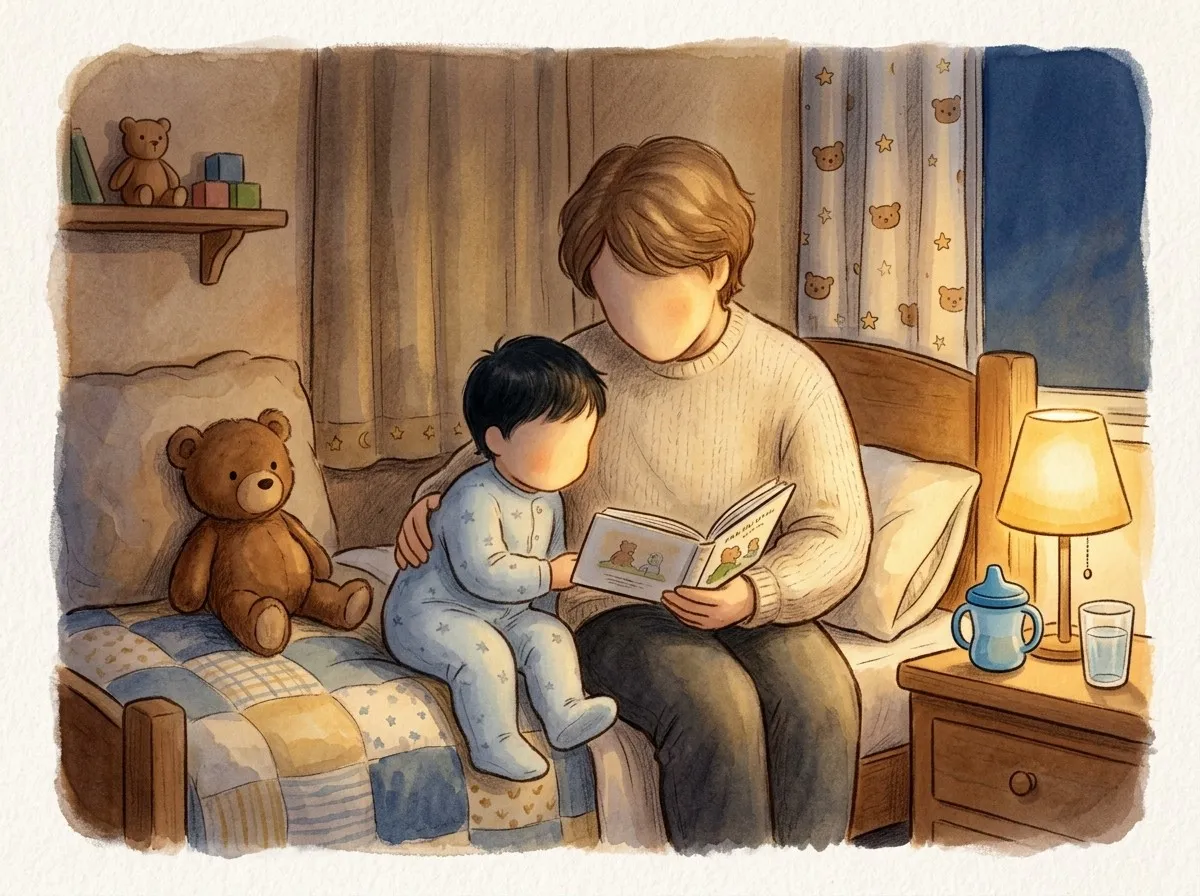
A toddler’s bedtime is rarely the calm, candle-lit ritual you imagined at 3 a.m. during pregnancy. It is more often a small person stalling, a lost comfort object and a parent silently counting down the minutes. A truly good personalised bedtime book for toddlers does not just stamp a child’s name onto a generic fairy tale. It works with the real texture of a toddler’s evening: short attention, big feelings and a deep need for something that feels the same every night.
Not Any Story with Their Name: What a Personalised Bedtime Book Actually Needs for a Toddler
Most early attempts at personalisation stop at the name. The child appears in capital letters on page one, then the story rolls on exactly as it would for anyone else. A two year old spots this immediately. The name is a sticker, not a thread. The best personalisation embeds the child into the rhythm itself. The story feels like it was built around their little universe: the colour of their blanket, the shape of their nightlight, the exact way their cat curls up on the landing.
Rhythm matters more than plot. Toddlers cannot track a twist. What they can track is a pattern: the same gentle phrase returning every few pages, the same soft cue that winding down has begun. A line like “the little moon waits for you” landing three times in a 24-page book is not lazy writing. It is a signal the toddler’s brain recognises and relaxes into. Many parents find this repetition is what finally slows a restless child enough to yawn.
A short book is not a lesser book. For a two or three year old, roughly 24 pages is the sweet spot. Any longer and you risk losing them to the more interesting task of pulling off their socks. Everyday themes work best at this age. Saying goodnight to the rooms of a house, searching for a lost teddy or watching Mum draw the curtains turns the ordinary into something honoured. A story like Goodnight, Little Moon or The Torch Under the Pillow gives a familiar shape to the dark. The child sees their own bedtime mirrored back, and that recognition is deeply calming.
This is the real test. Strip the personalisation out entirely. If the story still hums as a bedtime ritual, you have found a book that will be asked for night after night. The name and the familiar face are the warmth, but the rhythm, the length and the quiet theme are the bones. Without that structure, even the most beautifully illustrated book becomes one more thing to be thrown out of the cot. Browse the bedtime story ideas built around exactly this kind of calm, repetitive rhythm.
Which Story Idea Will They Beg for Every Night?
A bedtime story should lower the volume of the day, not raise it. A pirate chase or a dragon rescue might be a favourite at 10 a.m., but at 7 p.m. you want a story that moves toward sleep, not toward the next page. Look for ideas with a gentle destination: a moonlit goodnight journey, a pocket-sized lullaby to carry through the house, a torch to check under the pillow and settle a worry.
CubFable’s bedtime story ideas are age-filtered, so you can narrow the catalogue quickly. These quieter options tend to work well:
- Goodnight, Little Moon (ages 2 to 4): a moonlit goodnight journey
- The Torch Under the Pillow (ages 2 to 6): a small torch and a calm check of the dark
- The Lullaby in Your Pocket (ages 2 to 6): a pocket-sized lullaby for winding down
Match the story to your toddler’s current fascination. If they are suddenly obsessed with the moon or with stuffing things into pockets, lean toward that. But always check the age band before you commit. Many parents find that a two year old settles more easily with a shorter, more repetitive version of a bedtime journey than a six year old does. The right match is not just the theme; it is the combination of theme, age and the feeling that the day is allowed to end.
The Photo That Turns a Book into a Mirror
A name makes the story theirs; a photo makes it them. Many parents find the moment a toddler sees their own face in the illustrations, the book shifts from object to personal belonging. The bedtime connection deepens: the child isn’t just hearing about the moon, they are the child in the story. The mirror effect pulls them into the gentle rhythm, making it easier to settle.
The photo becomes the child’s face on every page, not just the cover. A two year old will point and say their own name, grinning at the recognition that follows from scene to scene. This consistency turns a book into a calm, familiar mirror.
For the best result, use a clear, forward‑facing photo with soft, even light. A head‑and‑shoulders shot against a plain background works best—no sunglasses, hats, or anything that hides the face. The clearer the photo, the more naturally your child will see themselves in every illustration, from yawning in bed to tiptoeing through a moonlit garden.
You can approve the story text before illustrations begin. Then the art team places your photo into every scene, turning the whole book into a mirror your child recognises on every page. See how a face becomes a story’s heart.
From Name to Doorstep: How a Personalised Bedtime Book Comes Together
The process starts with a simple choice. Browse the story ideas and pick the one that fits your child's age and the kind of bedtime you want to protect. Then enter the child's name and a few details that make the story feel like theirs. You can also upload a clear photo, which becomes the reference for the illustrations.
After those details are in, there is a quieter step. The story text is shown to you for approval before any illustration begins. That means you get to read the rhythm first, and you know exactly what you will be reading aloud. Many parents find this reassuring, especially when they want a calm story rather than an excitable one. Only when you are happy with the words does the illustration work start.
Because the book is generated digitally, you can read it on screen as soon as it is ready. That immediate version is useful for a child who cannot wait to see themselves in the story. But the physical copy is the real bedtime heirloom. It is printed, bound and posted to your door, ready to be opened by a small pair of hands, leaned against the pillow, and kept long after the story is memorised. The screen version may be convenient, but the paper one is the copy that softens with rereading.
Making the Big Reveal a Bedtime Moment to Remember
The book arrives. You could hand it over straight from the envelope, but a little ceremony turns a gift into a memory.
Wrap it in brown paper and tie it with string. Place it on a special shelf during the day, somewhere your child will spot it and ask. Or wait until evening story time, when the room is quiet and the curtains are drawn, and bring it out then. The anticipation builds without you saying a word about how special it is. Let the brown paper crinkle. Let small fingers work at the string.
Sit together and open the book slowly. The first thing your toddler will notice is their own face looking back from the page. Point to it. Say their name. Watch them touch the illustration with a fingertip, then look up at you, then back at the page. That recognition is the real gift, and it needs no narration from you beyond a quiet smile.
Let them turn the pages at their own pace. A two year old may linger on one spread for three minutes, patting the picture of themselves in pyjamas. A four year old may flip forward, then back, comparing their illustrated self from scene to scene. Follow their rhythm. Resist the urge to hurry toward the end.
The book does not need you to announce it as magical. If you avoid overhyping, if you simply read it in your usual bedtime voice, the story itself does the work. Over the first week, it settles into the bedtime routine. Your child will ask for it by name. They will know which page comes next. The spine will soften. A crease will form along the cover. And years later, long after they have outgrown the story, you will find it on their shelf, kept because it was never just a book. It was the one where they were the child in the bedtime story, every single night.
Frequently asked questions
What should I look for in a personalised bedtime book for a toddler?
A personalised bedtime book for toddlers works when it embeds the child's name, photo and familiar details into a calm, repetitive story. Short length, a gentle rhythm and everyday bedtime themes help the toddler recognise their own routine, signalling it is time to wind down. The book becomes a comforting mirror that deepens the bedtime connection.
Make one for your own little hero
Pick a story idea, add your child, and we print and post the finished book.
Browse story ideasKeep reading
Personalised books for 5 year old girls that she'll read until the spine goes soft
A story where the heroine has her name, her face and her own quiet courage is the one she reaches for night after night, long after the plastic toys are forgotten.
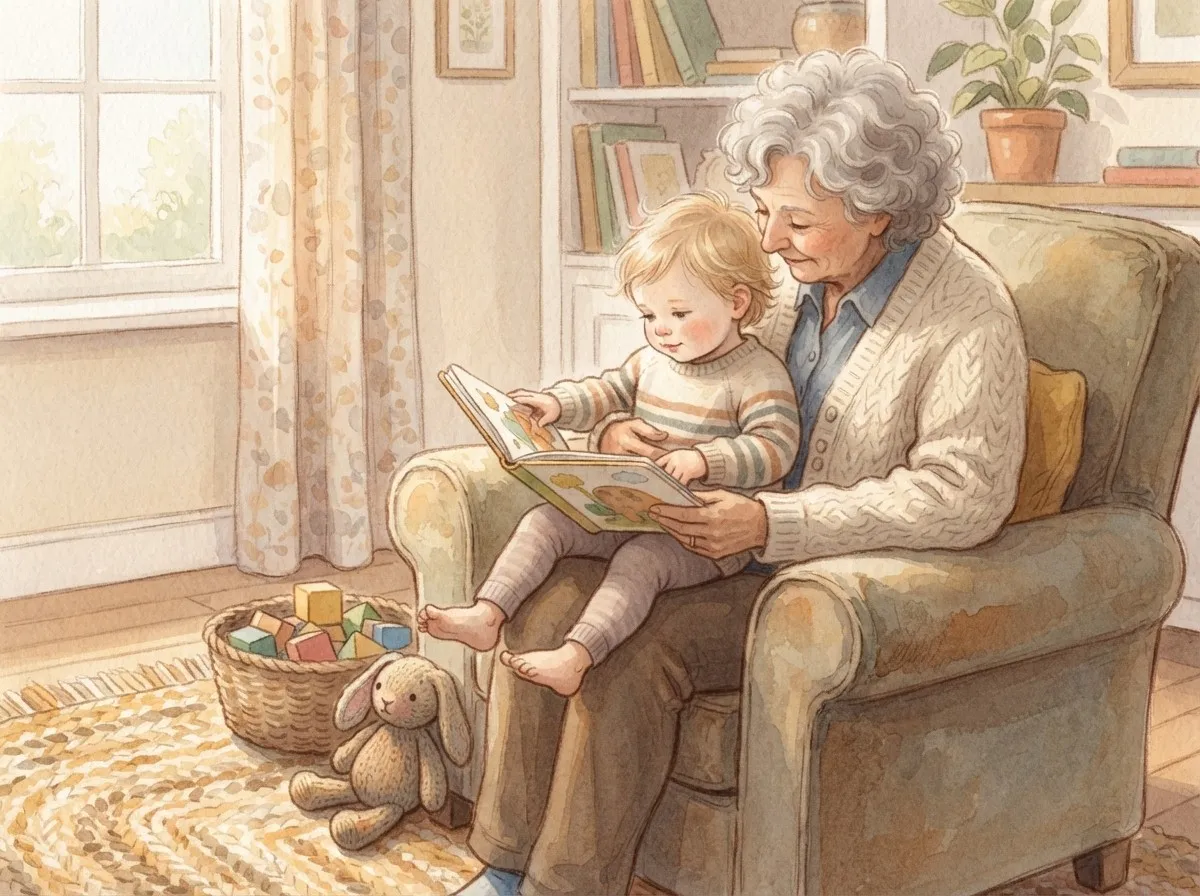
Personalised books for 1 year olds: what actually holds a baby’s gaze
A one-year-old needs faces, rhythm and familiar things more than plot, and the right personalised book can grow with them past the first candle.
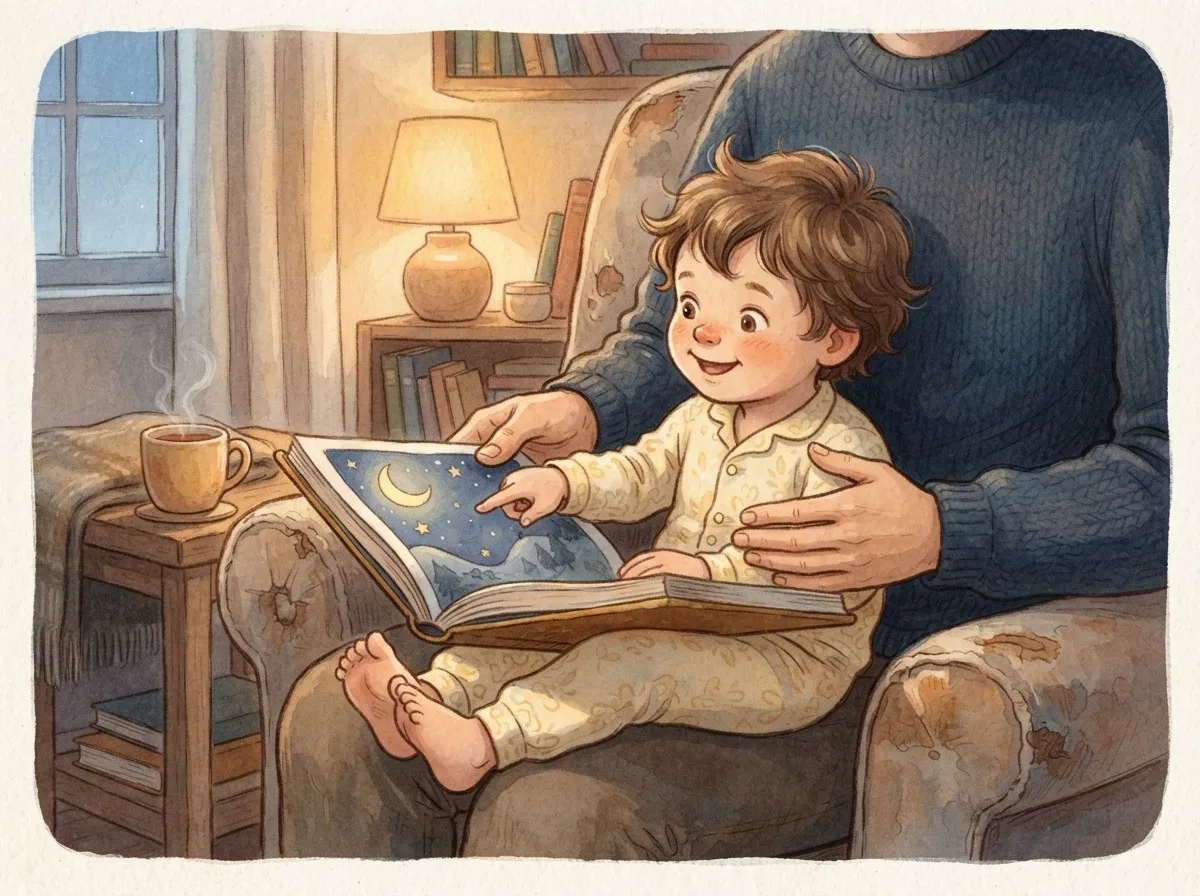
Why personalised books for toddlers with photo are the ones they reach for first
A toddler who spots their own face in a story will sit through every page, pointing at their illustrated self long before they can read a single word.