

Personalised books for children starting swimming lessons: start with the worry, not the wet hair
Personalised books for children starting swimming lessons turn first-pool nerves into quiet confidence by letting a child see their own familiar face.
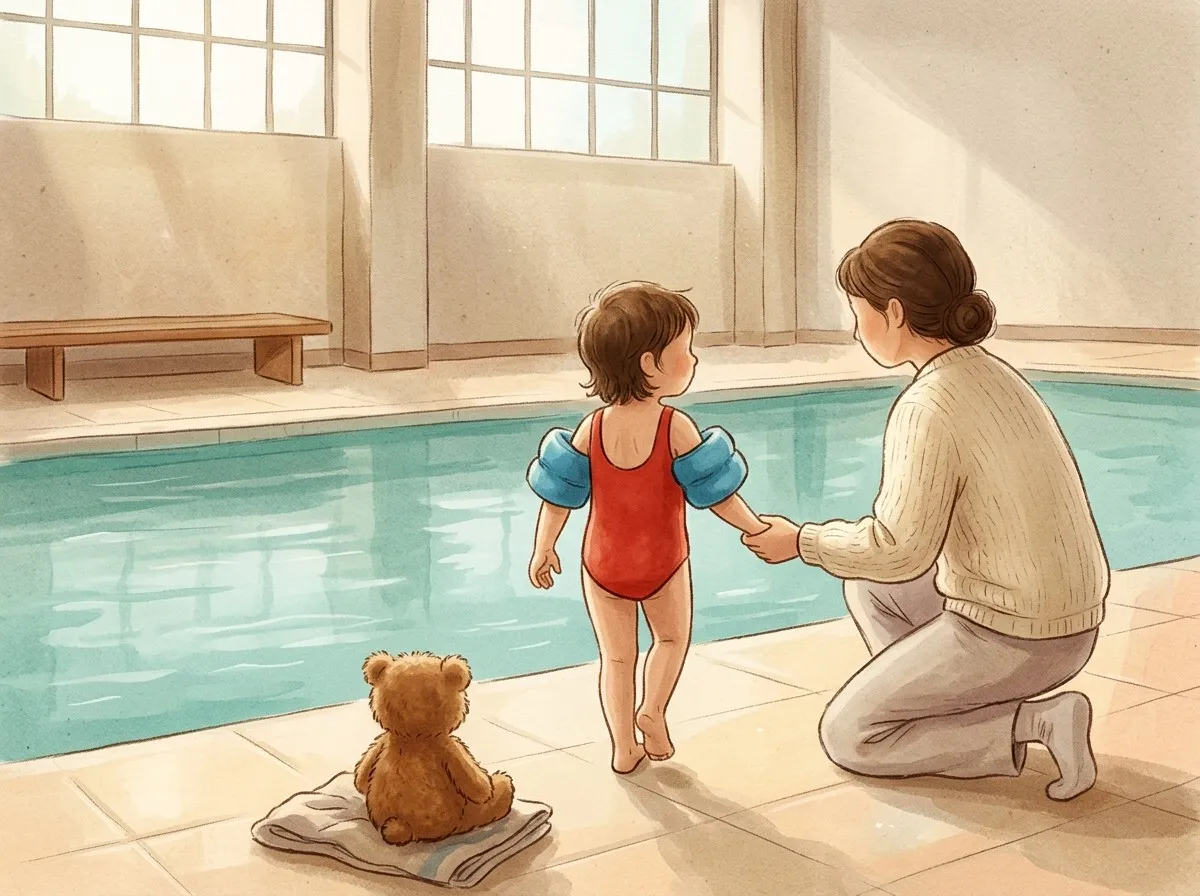
Buying a swimming costume and goggles feels easy, but the build-up to that first pool lesson can be anything but. Plenty of children are excited until they push open the changing-room door and meet the noise, the hard surfaces and the unfamiliar routine all at once. That is exactly where personalised books for children starting swimming lessons can help, because they begin with the worry, not the wet hair.
Start with the worry, not the wet hair
The fears that surface before swimming lessons are often specific and surprisingly practical. It might be the boom of voices and splashing off tiled walls in a big indoor pool. It could be the feeling of slippery floors under bare feet, the glare of bright lights, or the discomfort of a new instructor who does not yet know their name. For some children, the hardest part is water on the face, even a few drops from a shower or a stray splash. These are not small things to a two year old, or even to a nervous seven year old.
Many parents find a familiar story character gives children a way to name those feelings before the first lesson. When a child sees their own name and face in a book where someone else is a bit unsure about the echo, the changing room floor or the instructor's unfamiliar voice, the worry stops being a secret. It becomes a conversation. A story like Nora's First Big Splash can sit beside the bath or on the sofa and gently rehearse what the pool will feel like, long before the bag is packed. The child is not told to be brave. They are invited to recognise themselves, and then to turn the page.
What actually makes a swimming book worth buying
Not every book with water on the cover helps a child face their first lesson. Plenty of pool-themed books are little more than a list of strokes or a cheerful frog who already loves diving. What a beginner needs is a quiet rehearsal, a handful of small, concrete scenes that mirror what they will actually see, hear and feel.
Look for short moments, not a full swimming course. A child dipping a toe off the mat, fiddling with a goggle strap, or watching armbands inflate feels truer than a lesson plan. The story should follow the child, not the instructions, so each page turns on something they do.
What sets a useful swimming book apart is a main character who hesitates and then recovers. Not a child who springs into the water grinning, but one who stops, watches, worries a little and then finds their own next step. In a personalised book, that character can share the child’s name, hair colour and even their favourite goggles. When you browse the catalogue of story ideas, a story like Nora’s First Big Splash shows how this can work: a handful of familiar props, a child whose face matches the child in your lap, and an arc that lands on quiet pride rather than a perfectly straight leg kick. That is the kind of book a child will want to read again before the next lesson, not one they put back on the shelf.
Nora's First Big Splash and the other story ideas to check
Nora's First Big Splash is CubFable's dedicated swimming story for children aged two to four, and it is built around the small, real moments of a first pool visit. The main character can carry your child's name and face through the changing room, onto the poolside and into that first cautious step into the water. For a toddler or nursery-age child, that familiarity is often the difference between a book they glance at once and one they ask for every night in the week before lessons begin.
The story keeps its focus narrow, which is exactly what a two to four year old needs. There is no rush to swim a width or master floating. Instead, the pages turn on the things a young child actually notices: the echo of the pool hall, the grip of the ladder, the odd feel of a wet suit against skin. Because the child in the illustrations looks like them, those small moments feel less like warnings and more like a gentle walk-through. Many parents find reading it together a few nights before a lesson makes the real thing feel a little less brand new.
For an older child, the same approach works with a different kind of adventure. A five to seven year old who already feels comfortable in water might prefer Captain Coral and the Missing Pearl, an ocean story that turns swimming confidence into a proper quest. There are other water-adjacent ideas too, from Rocket Rescue on Planet Blue for young explorers to the calm rhythm of Goodnight, Little Moon for readers not yet ready for anything too splashy. If you are shopping across ages, browse the story ideas and let the child's age and temperament guide you more than the water theme alone. A nervous eight year old and a bold four year old will rarely want the same book.
How CubFable makes the book yours
The process is quick enough to do while the kettle boils, but the result feels considered. You start by picking a story idea, either a swimming story like Nora’s First Big Splash or something from the wider catalogue of story ideas. The themes are already shaped to match different ages and temperaments, so you are choosing an arc, not writing one from scratch.
Then you enter the details that make it theirs. The child’s name appears in the story text, not just on the cover. You can add a few small specifics, such as hair colour, skin tone, glasses, or a favourite cuddly toy, and you can upload a photo so the illustrator has a real reference for the child’s face. The aim is recognition: a child who sees themselves on the page, not just a cartoon child with the same name.
Before any illustration is drawn, CubFable shows you the full story text to approve. You read it through, make sure the details feel right, and only then does the artwork begin. Many parents appreciate this pause. It means you are not commissioning pictures for a story you have not yet seen.
Once the text is approved, you can read the finished book on screen almost immediately, or have it printed, bound and posted to your door. For a child waiting to meet their swimming teacher, that printed copy often becomes the book they carry in the bag on lesson day.
Give it before the first lesson and let them lead
A personalised swimming book does its best work when it arrives a little before you need it. If the first lesson is a week away, wrap the book and let the child unwrap it on a quiet weekday afternoon, not on the morning you are heading to the pool. That gives the story time to settle and the child time to become the character before they ever smell chlorine.
For a grandparent who lives at a distance, posting a copy straight to the child’s door can be its own small ceremony. Many grandparents choose a story like Nora’s First Big Splash from the gifts for grandchildren collection and let the book arrive ahead of the first pool visit. The child unwraps it, sees their own face peering out from a swimsuit, and suddenly the unknown lesson has a familiar shape.
Read it while the new swim bag is being packed for the first time. Pause on the page about the changing room echo and let the child decide whether they want to talk about the noise or skip to the ladder. Some children want to linger on the towel page. Others want to find their own cuddly toy tucked into the corner of the illustration. Follow their lead.
After the first lesson, the same book often becomes a settling story. A child who held back from the water’s edge might find it easier to be the brave one in the book, narrating what happens next while tucked under the duvet. Let them rewrite the ending if they want to. The book never pushes. It simply waits for the child to nudge their own courage forward, one reread at a time.
Frequently asked questions
How can a personalised book help a child who is nervous about starting swimming lessons?
It lets the child see their own name and face in a story about a first pool visit, which makes unfamiliar sounds and routines feel less threatening. Reading together before lessons gives the child a way to talk about specific worries, such as echoes or water on the face, without feeling pushed to be brave.
What age are personalised swimming books best for?
The dedicated swimming story Nora's First Big Splash suits children aged two to four, when first lessons often cause the most separation and sensory worries. Older children aged five to seven may prefer an adventure that builds water confidence, such as Captain Coral and the Missing Pearl. Choose by temperament as much as age.
When should we give the book to a child starting swimming lessons?
Give it a few days before the first lesson, not on the morning of the lesson. That gives the child time to reread the story, ask questions, and see themselves as the character before visiting the pool. A quiet afternoon unwrapping and reading together often works best.
Make one for your own little hero
Pick a story idea, add your child, and we print and post the finished book.
Browse story ideasKeep reading
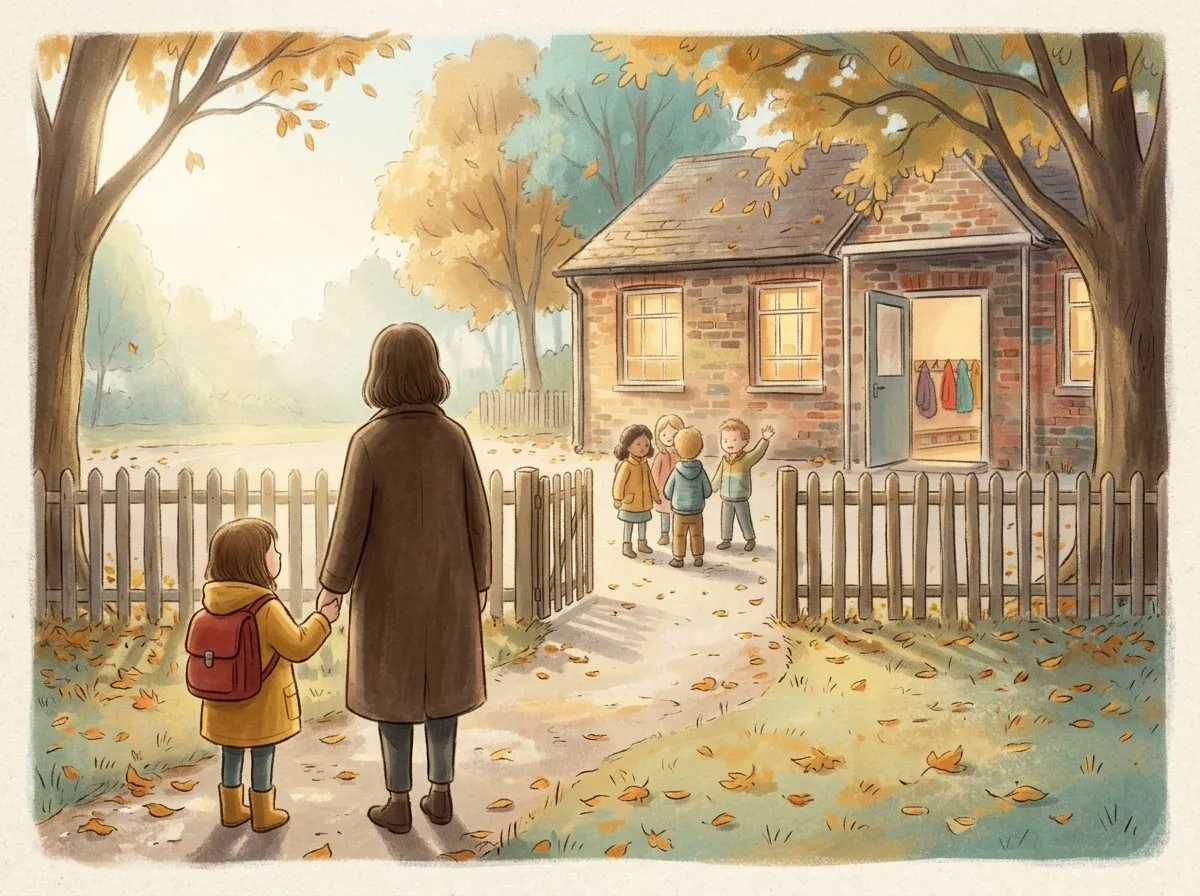
The Best Books for Children About Moving to a New School
A steady, practical guide to picture books and chapter books that help children face a new school with a little less fear.
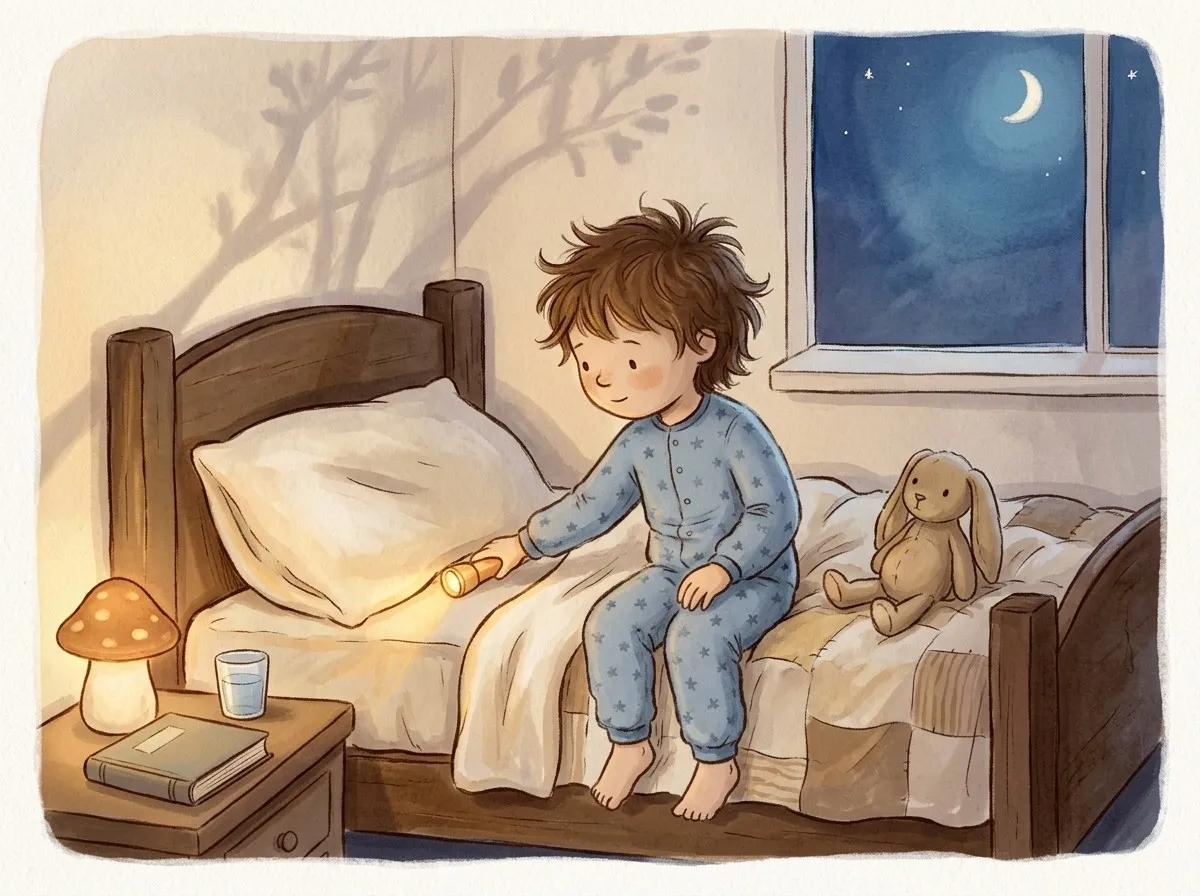
When Your Child Is Afraid of the Dark, a Personalised Book Can Light the Way
A gentle bedtime story where a child sees their own face become the hero who tames the dark.

When the digger book puts them in the driver’s seat, not just on the cover
For a child who corrects you when you call a backhoe a bulldozer, the real prize isn't a digger on the cover—it's the promise of the driver's seat.