

How Personalised Books for the First Day of School Calm the Wobbles
A child who sees their own face, name and favourite toy inside a first-day story is far more likely to talk about worries, because the book has already said it.
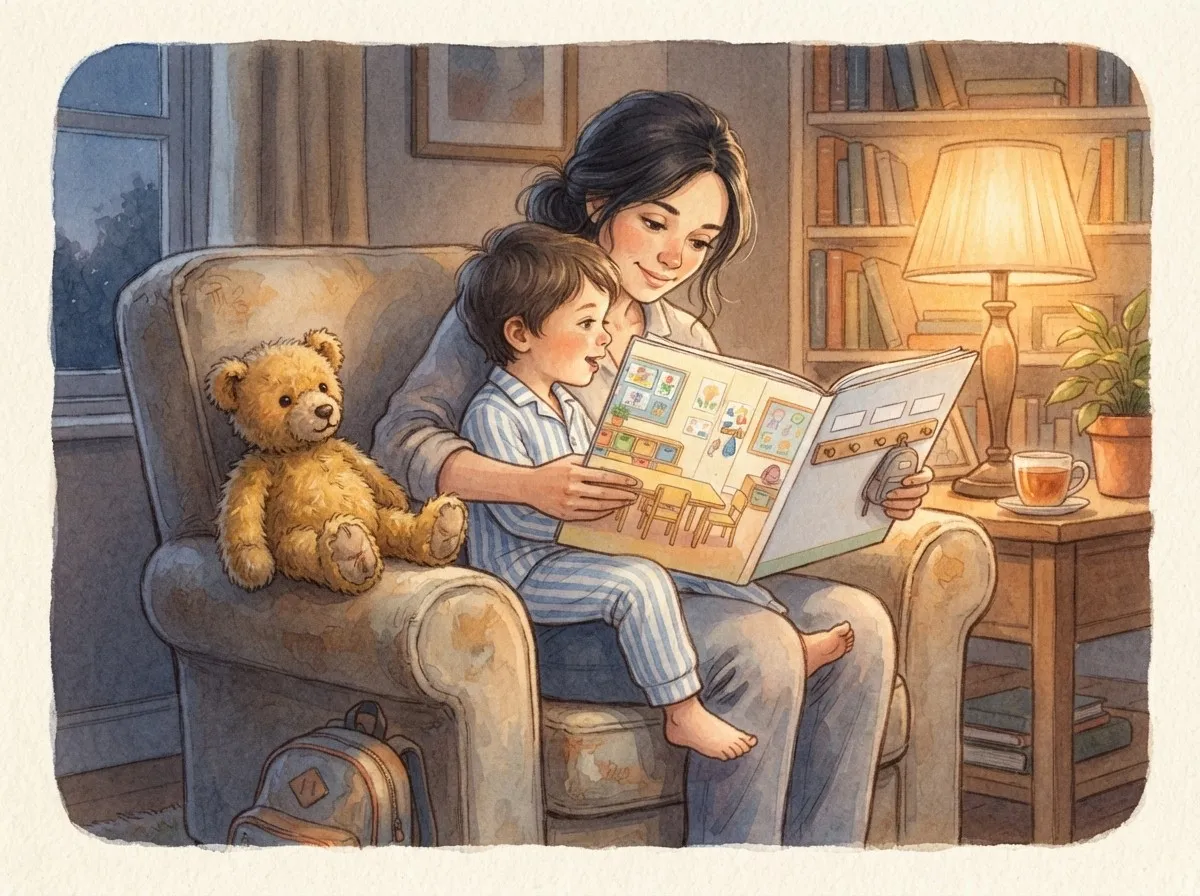
The lunchbox is bought, the uniform is hanging on the wardrobe door, and your child has asked you the same question four times since breakfast: “But what if I don’t know where the toilets are?” It is a wobbly week, and no amount of cheerful reassurance seems to stick. This is where personalised books for first day of school do something a generic picture book cannot: they put your child right in the middle of a story that already has a happy ending.
That last week before school, when everything feels wobbly
A school building is a giant, unknown shape in a child’s mind until they have walked through the gates themselves. A book that stars a fictional character named Mia or Jack gives them someone else’s adventure to watch. A book that stars them, with their own name printed in the text and their own face looking back from the illustrations, turns the unknown into something they can rehearse. Many parents find that a child who sees themselves in the story is far more likely to talk about what is worrying them, because the book has already said it out loud first.
That sense of ownership matters more than clever plots. When a child opens a CubFable book and spots their own name on the page, the story stops being a lesson and becomes a mirror. A five year old who would normally clam up at “how are you feeling about Monday?” will sometimes point at their illustrated self and say, “That’s me, and I’m not scared yet.” The book gives them a version of the first day where they are already brave, already capable, and already safe. You can browse the first day of school story ideas and pick a tale that matches your child’s age and personality, from a gentle classroom introduction to a proper school-gates adventure. Reading it together each evening that week becomes a small, steady ritual: the same chair, the same voice, the same familiar face winning the day.
It’s not just a name—it’s the hair, the smile, the little habits
A name on the cover is a start, but it can still feel like a label stuck on a shop-bought book. The books that work hardest in the run-up to school are the ones where the child recognises themselves on page three, in the middle of an ordinary moment.
Look for a book that starts with a photo. When you upload a picture to CubFable, the illustrations are built around that real child: the wild curl, the missing front tooth, the way they always tuck their hair behind one ear. That is what pulls a five year old closer. It is not a brown-haired cartoon called by their name. It is them, drawn into the story.
The name should do more than sit on the front. In a good personalised book, the name appears in the dialogue, in the teacher’s register, in the worried whisper before the classroom door opens. That repetition makes the story feel written for your child, not filled in afterwards.
Small details do the heavy lifting. If the book lets you add a favourite toy, a familiar grown-up’s name, or the exact phrase they say when they are nervous, those specifics turn a first-day plot into something believable. CubFable shows you the text before any drawing begins, so you can check that the register, the toy and the grown-up’s name feel right. A little one who sees their own teddy waiting by the school bag is more likely to accept the bigger unknown: the new classroom, the loud corridor, the long day without Mum.
That is the comfort. The familiar details stay fixed while everything else wobbles.
A four-year-old needs a different book than an eight-year-old
A child starting reception and a child starting Year 4 are standing on opposite sides of the same school gate. The little one needs to know you will come back. The older one needs to know the year ahead holds something worth discovering. The story that reassures one will bore the other flat.
For a two to four year old, eight pages of gentle rhythm is about right. A tale like Milo Finds His Mittens or The Little Door in the Hedge keeps the stakes low and the language soft. The plot is not really a plot. It is a small, safe sequence: a coat goes on, a bag is packed, a familiar face appears at pick-up time. The book acts as a promise that the day has a predictable shape and a happy end. Many parents find that a short, calm story read three nights in a row does more for a four year old than any longer adventure.
By six or seven, a child wants a proper thread to follow. A story like The Box Nobody Packed works because it layers a puzzle over the familiar first-day frame: something important has been left behind, and only the child can figure out what it is. The plot gives them something to chew on, a reason to turn the page that goes beyond "and then I was fine." The length can stretch to twenty pages or more, because the mystery carries them forward.
Picking the right age band is the difference between a book a child asks for again and one that sits on the shelf. Before you settle on a story idea, check the recommended ages listed with each title. A seven year old handed a book built for a three year old will close it halfway through. A four year old given a middle-grade mystery will squirm off your lap by page twelve. The right match is the one where they lean in, not the one where you coax them along.
If a first day story still feels like the right choice, you can browse the school story ideas and filter by the age of the child you are shopping for.
Two school stories built around your child, not the other way round
CubFable’s school stories for the four-to-six set do something particular: they place your child inside the story’s nervous little moments, not just as a name on the page. The Second-Newest Kid follows a child who is not quite the newest in the class but still feeling their way. The Peg That Knew Your Name turns a simple classroom peg into a quiet anchor. Both are written for four, five and six year olds whose big school feelings often hide behind small objects—the peg, the painting apron, the lunchbox with a familiar sticker.
You start by picking the story idea, then entering your child’s name and a few details that matter. You can upload a photo so the illustrator draws a character who actually looks like them: the right hair, the same smile, the favourite t-shirt they insist on wearing. CubFable shows you the full story text next, before a single illustration is made. That means you can check that the register sounds like your child, that the pet name grandad calls them is right, and that the whole shape of the story fits before you commit. Only then does the artist begin.
Once the text is approved, the illustrations are created around your child’s likeness and the book is printed, bound and posted as a proper hardcover. You also get the on-screen version straight away, so you can read it together on a tablet the same evening while you wait for the post. Both stories live in the first day of school collection, alongside others for different ages, and you can browse the full catalogue for any occasion.
Reading it together so it sticks
In the three or four evenings before the first day, read the book the way you’d read any bedtime favourite: snuggled up, no hurry. The first time through, pause when the illustrated child appears. Tap the character and say, “That’s you. Look, you’ve got your yellow backpack on.” Let the recognition settle. The point is not to finish the story; it’s to plant a quiet fact—this story belongs to them.
After that first read, hand the lead over. Let your child turn the pages, point to the peg with their name, and skip straight to the page where the grown-up comes back. Rehearse the happy ending as many times as they need. The book becomes a little map of the day ahead, one they can control.
A little three-night ritual
- Three nights before: Read the book cover to cover, pointing out their picture and naming the familiar details.
- Two nights before: Let your child turn the pages and tell you what happens next.
- The night before: Leave the book open on their bedside table so it’s the first thing they see.
Many parents find that on the morning itself, the familiar hardcover—still open to a favourite page—acts as a small anchor. The story has already walked them through the goodbye, the classroom, the peg and the slow unfurling of the day. When the actual moment comes, the book has done some of the heavy lifting. If you want more ways to ease the transition, have a look at our guide on how to help a child start school without tears.
Frequently asked questions
What age are personalised first day of school books suitable for?
Personalised first day of school books suit children from about 2 up to 10, but the story needs to match the child’s stage. Toddlers benefit from gentle, eight-page rhymes about the school-day routine, while six to eight year olds engage with longer tales that include a puzzle or a mystery. Always check the age recommendation on the story before ordering.
How does a personalised book help with first day nerves?
When a child sees their own name, face and favourite toy inside a school story, the day feels less unknown. The book becomes a rehearsal where they are already brave. Reading it together each evening in the run-up lets them explore worries in a safe space and builds a comforting ritual they can lean on when the real morning arrives.
Make one for your own little hero
Pick a story idea, add your child, and we print and post the finished book.
Browse story ideasKeep reading
The Personalised Book That Makes a Grandchild Feel Seen
A personalised book from a grandparent becomes the bedtime favourite, not the toy forgotten under the sofa—because the child sees their own name and face in the story.
Personalised Books for 10 Year Olds: Novels They’ll Reread
Why ten-year-olds need personalised stories that trust their intelligence, not just paste their name on the cover.
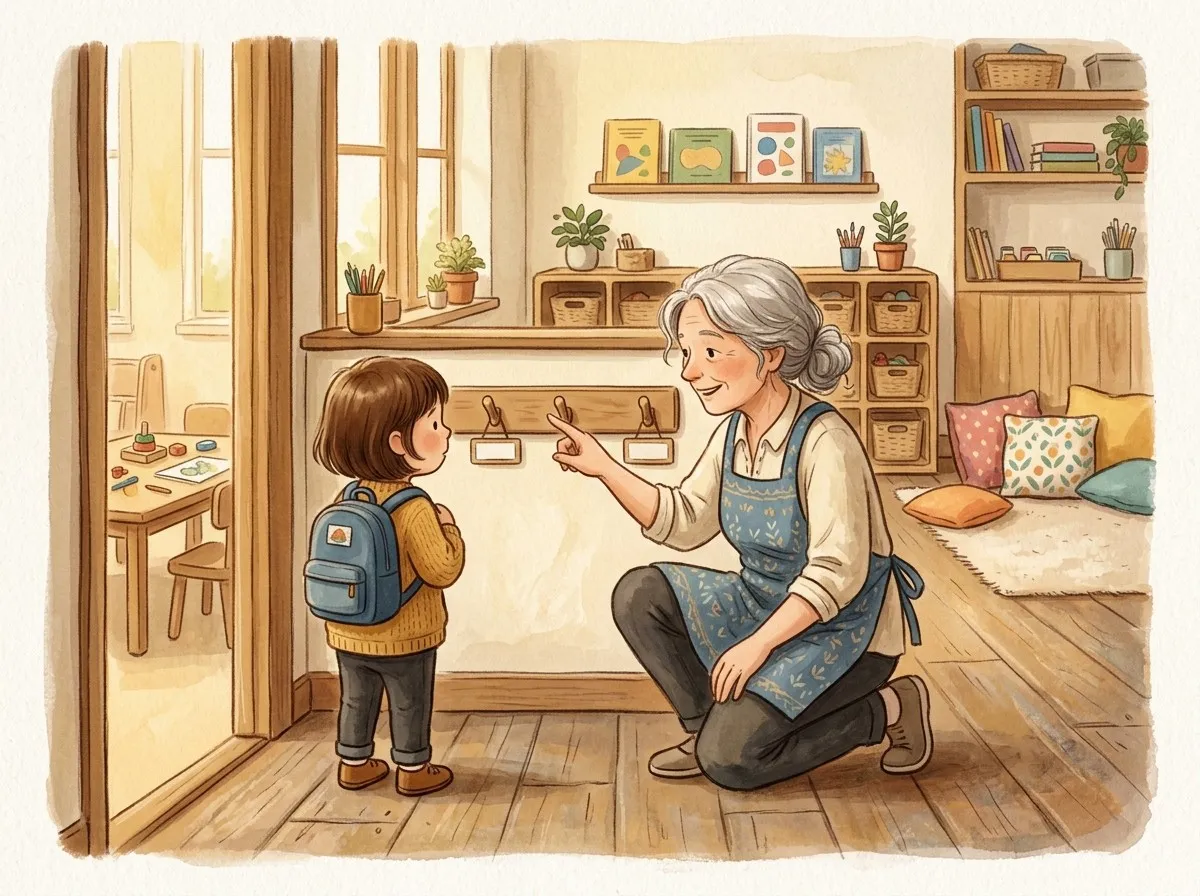
How to choose a first day of school book for preschooler that actually helps
A good first day of school book for preschooler gives your child a small, safe version of the day to rehearse before the real bell rings.